

The best hiking routes in Ķemeru nacionālais parks
Discover the best walks in Ķemeru nacionālais parks. 5 routes on the map, with descriptions, photos and GPX.
About Ķemeru nacionālais parks
Ķemeru nacionālais parks is defined by its vast peat bogs, damp forests, and sulfur springs, rather than hills or open meadows. The landscape is flat and low-lying, shaped by ancient sea retreats and waterlogged depressions. Walkers will find a distinct contrast between the spongy, moss-covered wetlands and the dry, sandy pine ridges that rise slightly above the water level. This is a terrain of quiet, slow-moving water and dense mosses, where the smell of sulfur occasionally rises from the ground.
Read more
About Ķemeru nacionālais parks
Ķemeru nacionālais parks is defined by its vast peat bogs, damp forests, and sulfur springs, rather than hills or open meadows. The landscape is flat and low-lying, shaped by ancient sea retreats and waterlogged depressions. Walkers will find a distinct contrast between the spongy, moss-covered wetlands and the dry, sandy pine ridges that rise slightly above the water level. This is a terrain of quiet, slow-moving water and dense mosses, where the smell of sulfur occasionally rises from the ground.
Read moreĶemeru nacionālais parks is defined by its vast peat bogs, damp forests, and sulfur springs, rather than hills or open meadows. The landscape is flat and low-lying, shaped by ancient sea retreats and waterlogged depressions. Walkers will find a distinct contrast between the spongy, moss-covered wetlands and the dry, sandy pine ridges that rise slightly above the water level. This is a terrain of quiet, slow-moving water and dense mosses, where the smell of sulfur occasionally rises from the ground.
Underfoot, the experience varies from solid, sandy forest tracks to wooden boardwalks built to carry walkers over the deep peat of the Great Ķemeri Bog. These boardwalks are essential for crossing the wettest sections, where small, dark bog pools flank the path. Away from the bogs, the trails transition into damp deciduous forests and black alder swamps, where the ground is soft and crisscrossed by tree roots.
The park is highly accessible, meaning the main boardwalk loops can become busy with visitors, particularly during the misty mornings of September and October. For those seeking fewer crowds, the less-frequented forest paths and the trails leading near Lake Kaņieris offer a quieter alternative to the popular bog walks.
Hiking routes in Ķemeru nacionālais parks (5)
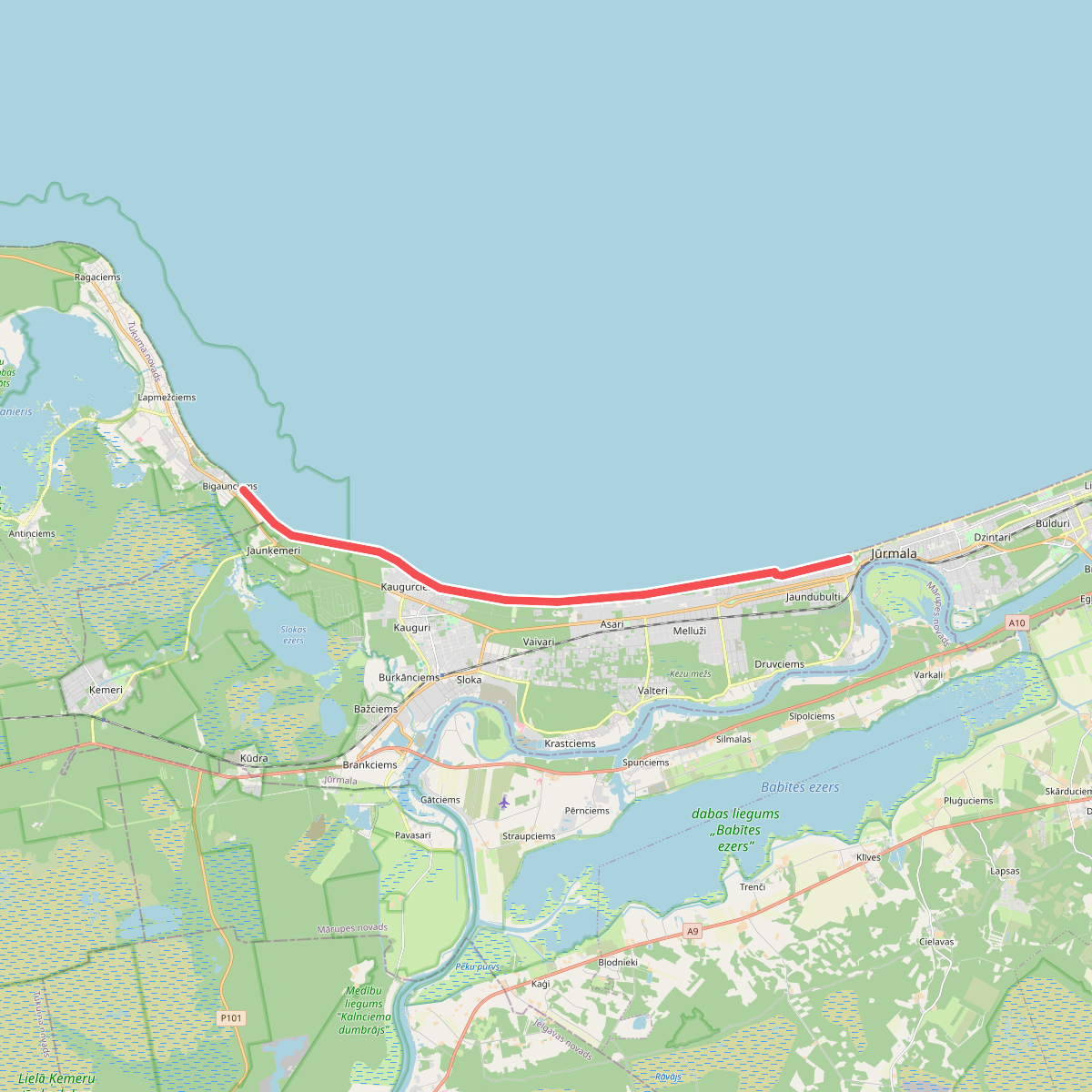
#1. E11 section 100: Bigauņciems - Dubulti
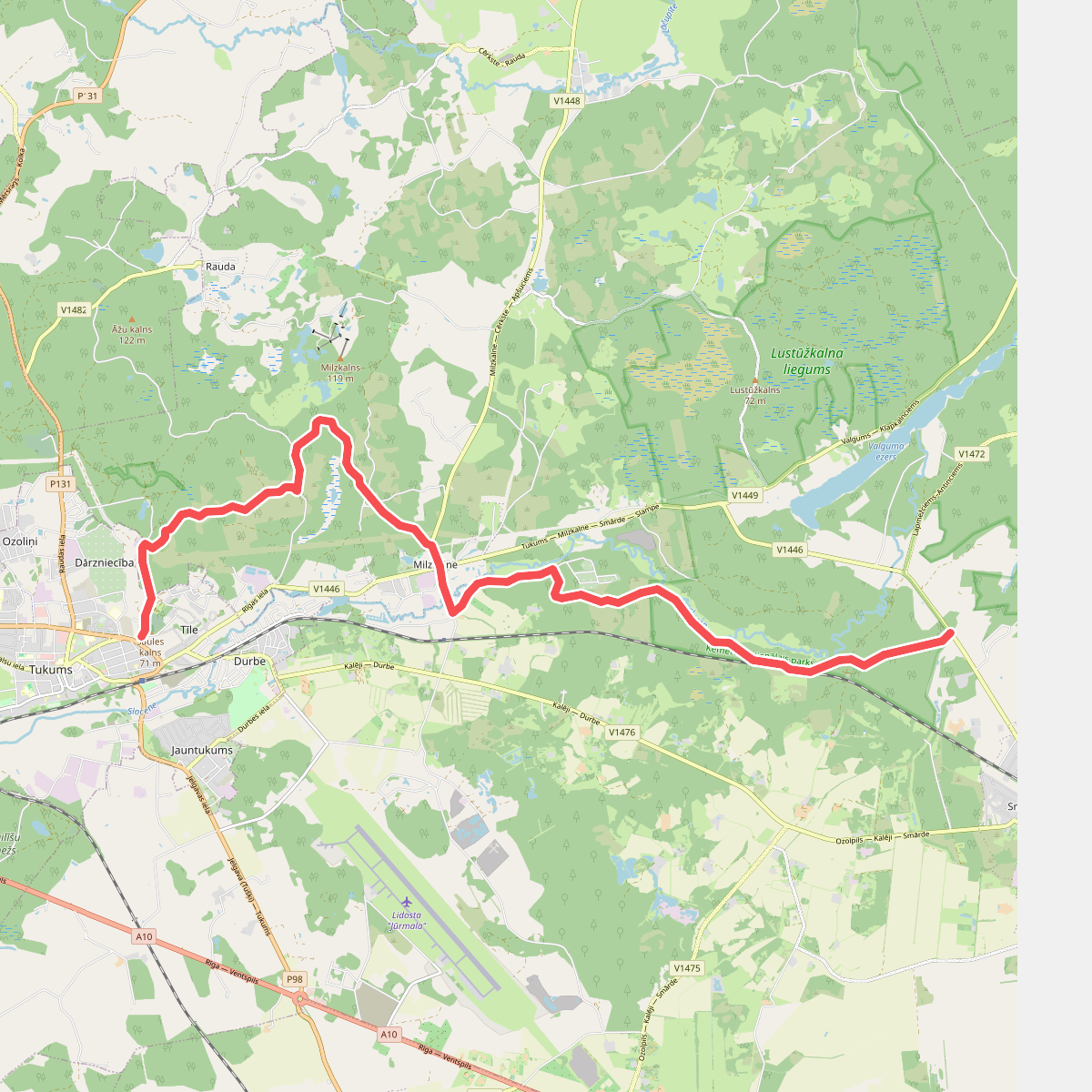
#2. E11 section 98: Tukums – Jāņukrogs
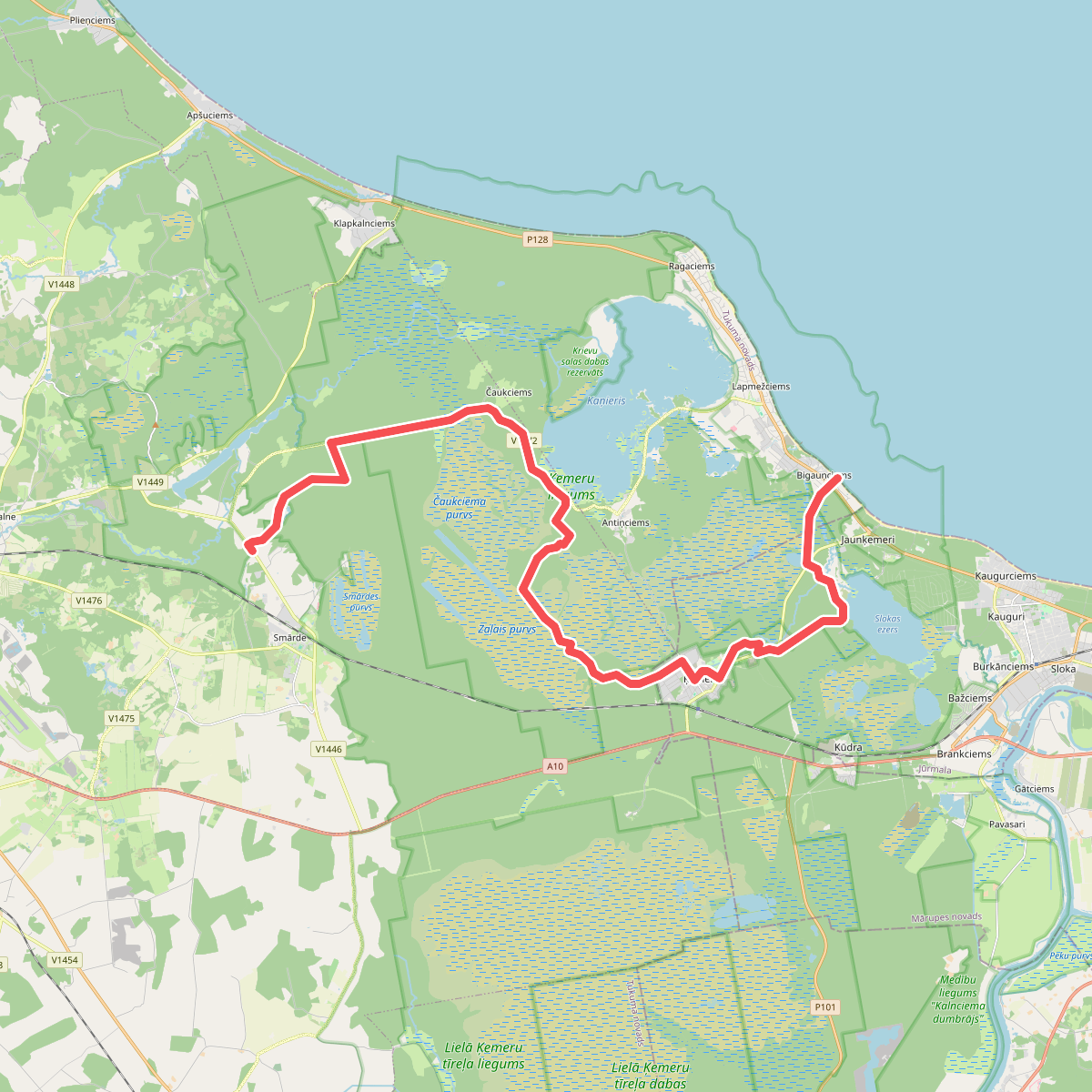
#3. E11 section 99: Jāņukrogs – Bigauņciems
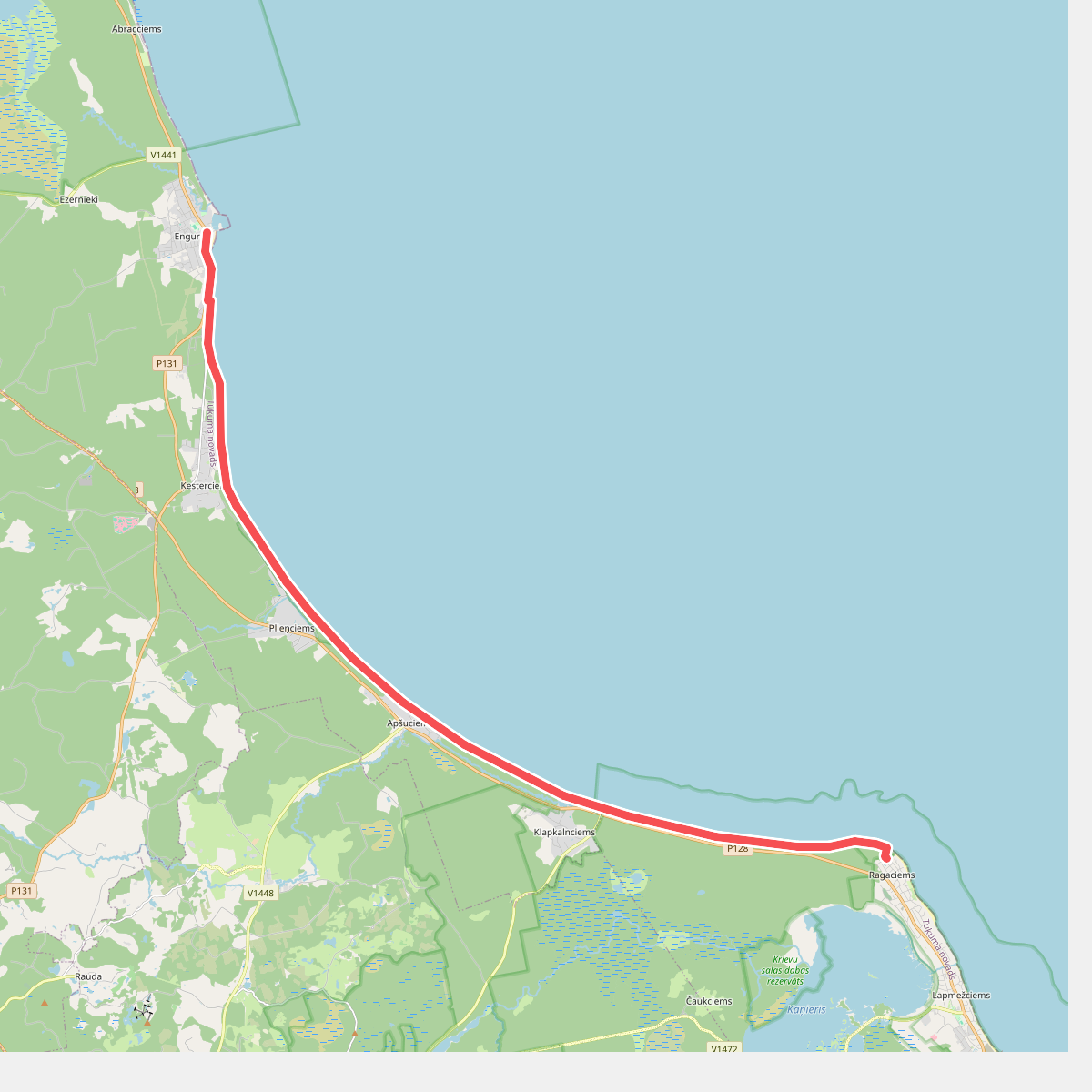
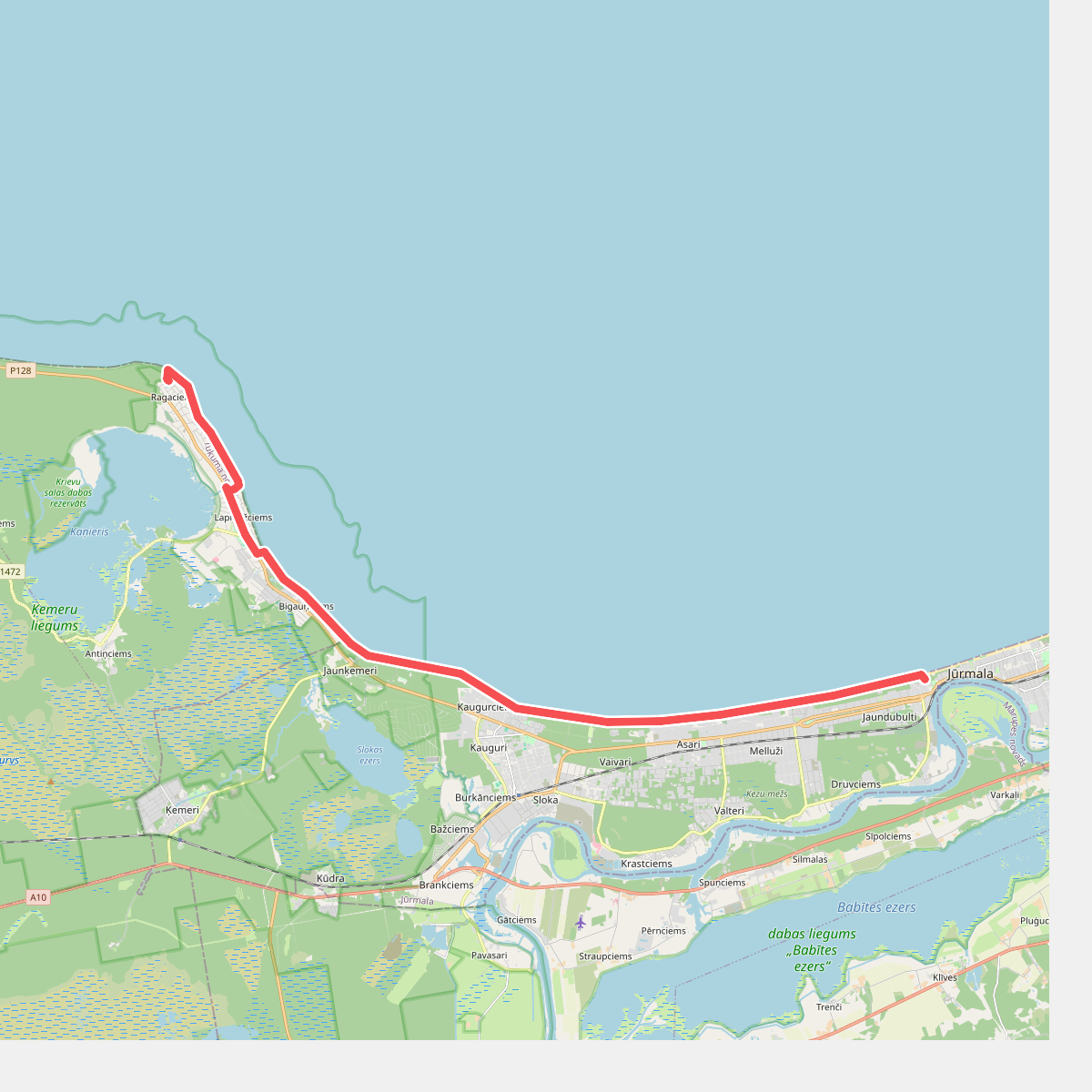
#4. E9 section 20: Engure - Ragaciems