

The best hiking routes in Naturschutzgebiet Valsertal
Discover the best walks in Naturschutzgebiet Valsertal. 6 routes on the map, with descriptions, photos and GPX.
About Naturschutzgebiet Valsertal
Naturschutzgebiet Valsertal offers a steep, high-alpine landscape dominated by limestone cliffs, scree slopes, and dense alder shrubs. Unlike the flatter, more accessible valleys nearby, this protected area is characterized by its rugged, vertical terrain. Walkers will find themselves on narrow, rocky paths that require steady footing, rather than wide, paved forest tracks. The valley floor is shaped by the active Valser Bach, which deposits gravel and creates shifting stream beds that you will cross on simple wooden footbridges.
Read more
About Naturschutzgebiet Valsertal
Naturschutzgebiet Valsertal offers a steep, high-alpine landscape dominated by limestone cliffs, scree slopes, and dense alder shrubs. Unlike the flatter, more accessible valleys nearby, this protected area is characterized by its rugged, vertical terrain. Walkers will find themselves on narrow, rocky paths that require steady footing, rather than wide, paved forest tracks. The valley floor is shaped by the active Valser Bach, which deposits gravel and creates shifting stream beds that you will cross on simple wooden footbridges.
Read moreNaturschutzgebiet Valsertal offers a steep, high-alpine landscape dominated by limestone cliffs, scree slopes, and dense alder shrubs. Unlike the flatter, more accessible valleys nearby, this protected area is characterized by its rugged, vertical terrain. Walkers will find themselves on narrow, rocky paths that require steady footing, rather than wide, paved forest tracks. The valley floor is shaped by the active Valser Bach, which deposits gravel and creates shifting stream beds that you will cross on simple wooden footbridges.
As you ascend, the coniferous forest thins out, giving way to wet alpine meadows and avalanche tracks where shrubs have bent under the weight of winter snow. You will notice how the vegetation changes rapidly with elevation, from damp mossy ground near the springs to dry, wind-exposed dwarf shrubs higher up. The underfoot conditions are predominantly loose stone, gravel, and earth, which can feel uneven and demanding.
This reserve is not a place for gentle, rolling strolls or manicured parklands. It is a steep alpine environment where the terrain dictates the pace. While the lower sections near the valley entrance can see regular foot traffic, the higher, more demanding trails toward the rocky cirques are generally much quieter, appealing to those who prefer rougher, natural mountain paths.
Hiking routes in Naturschutzgebiet Valsertal (6)
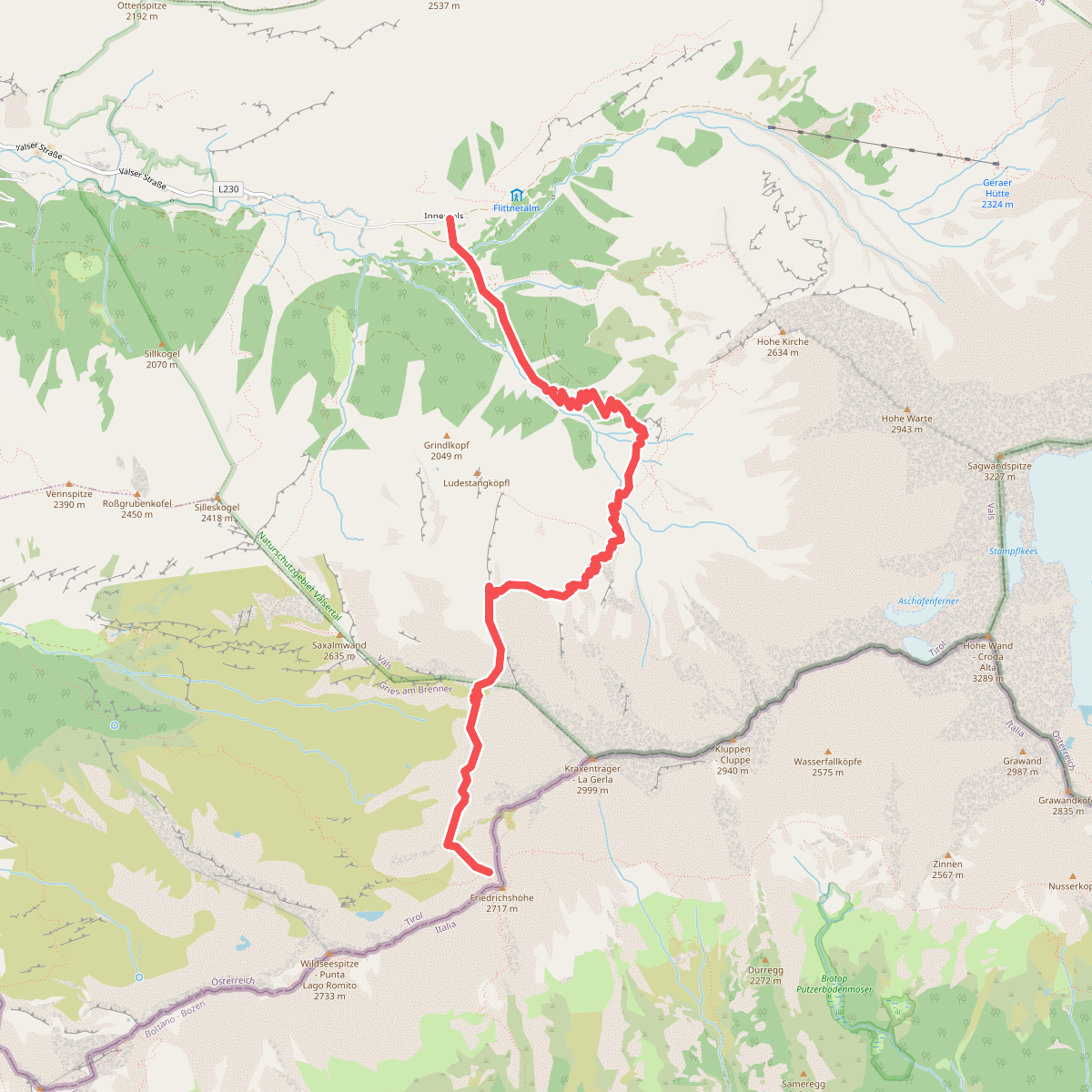
#1. AV Weg 529
Gries am Brenner,Vals

#2. AV Weg 531
Gries am Brenner

#3. Toldern - Steinernes Lamm
Schmirn,Vals

#4. Via Romea Südtiroler Abschnitt - Via Romea Tratto Altoatesino
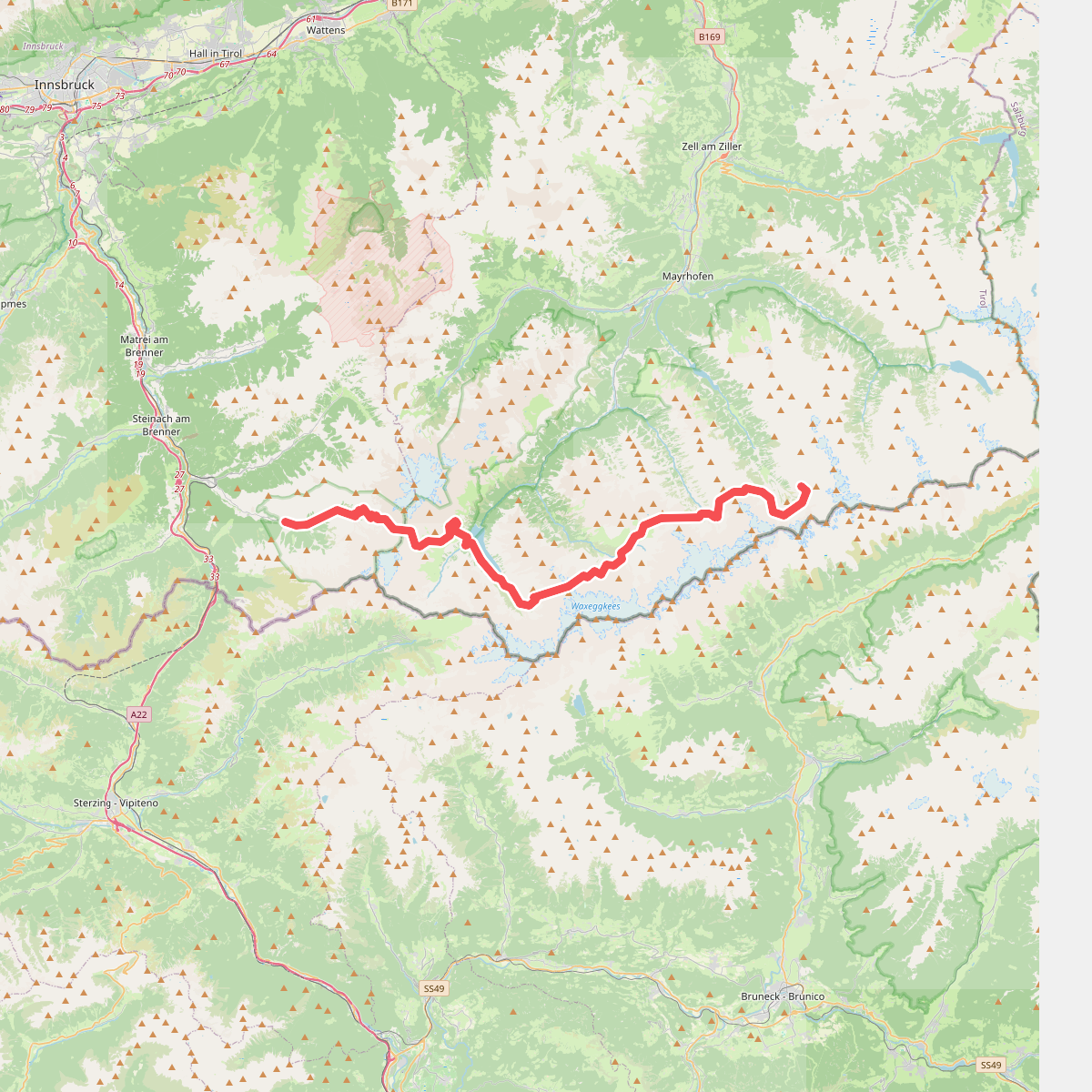
#5. Wanderweg 502
Mayrhofen,Finkenberg,Vals

#6. Wanderweg 527
Tux,Schmirn,Vals