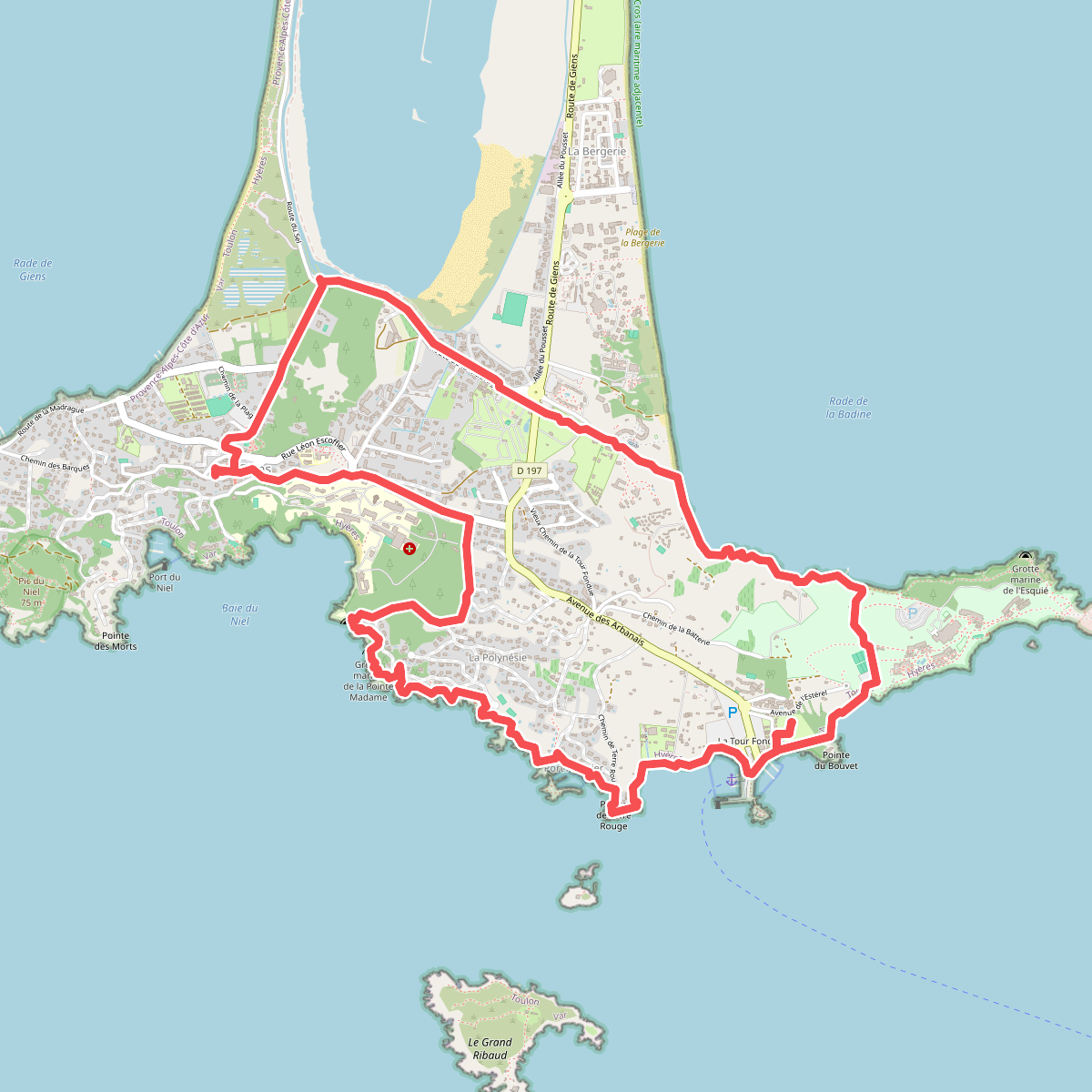
The best hiking routes in Parc national de Port-Cros (aire d'adhésion)
Discover the best walks in Parc national de Port-Cros (aire d'adhésion). 1 routes on the map, with descriptions, photos and GPX.
About Parc national de Port-Cros (aire d'adhésion)
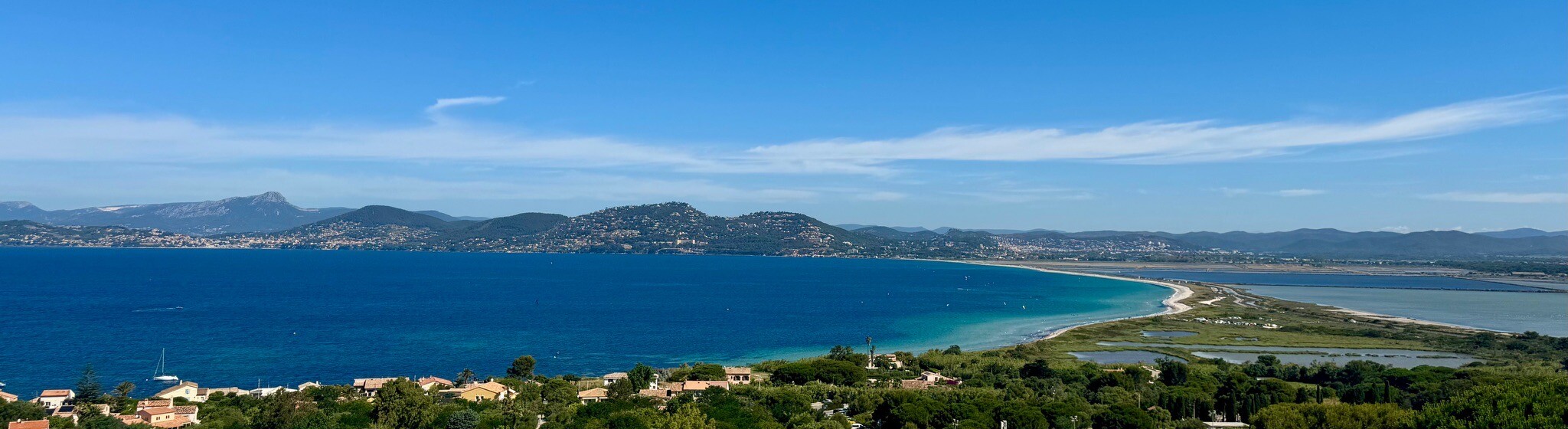
Parc national de Port-Cros (aire d'adhésion) covers the coastal mainland and adjacent marine zones of the Var department, distinct from the strictly protected core island zones. This buffer territory consists of low-lying Mediterranean scrub, dense pine forests, and rocky headlands that drop into the sea. Walkers will find a landscape shaped by centuries of maritime trade and salt production, where old salt pans and coastal scrub replace the typical high-elevation alpine hiking of inland France.
Read more
About Parc national de Port-Cros (aire d'adhésion)
Parc national de Port-Cros (aire d'adhésion) covers the coastal mainland and adjacent marine zones of the Var department, distinct from the strictly protected core island zones. This buffer territory consists of low-lying Mediterranean scrub, dense pine forests, and rocky headlands that drop into the sea. Walkers will find a landscape shaped by centuries of maritime trade and salt production, where old salt pans and coastal scrub replace the typical high-elevation alpine hiking of inland France.
Read moreParc national de Port-Cros (aire d'adhésion) covers the coastal mainland and adjacent marine zones of the Var department, distinct from the strictly protected core island zones. This buffer territory consists of low-lying Mediterranean scrub, dense pine forests, and rocky headlands that drop into the sea. Walkers will find a landscape shaped by centuries of maritime trade and salt production, where old salt pans and coastal scrub replace the typical high-elevation alpine hiking of inland France.
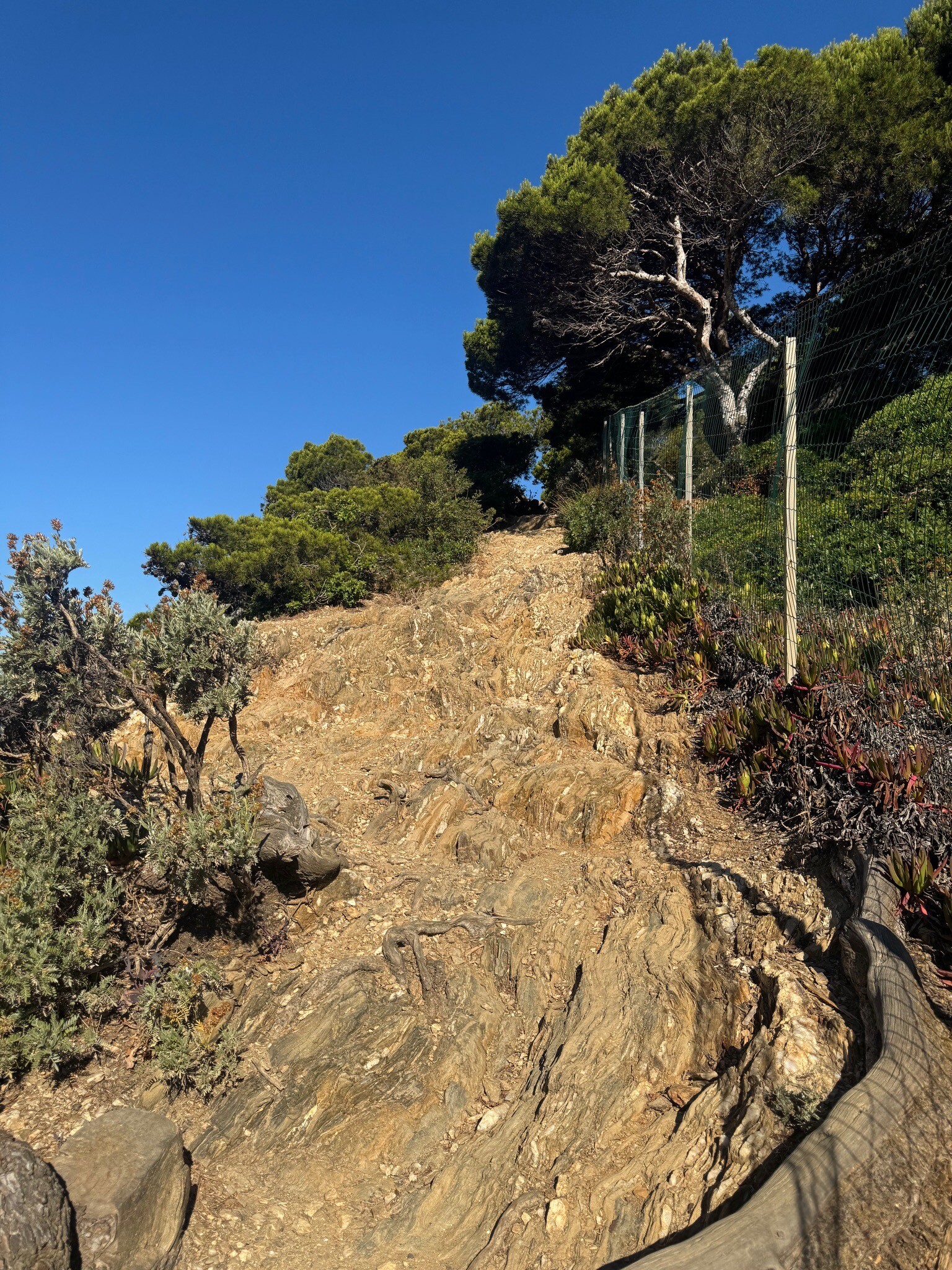
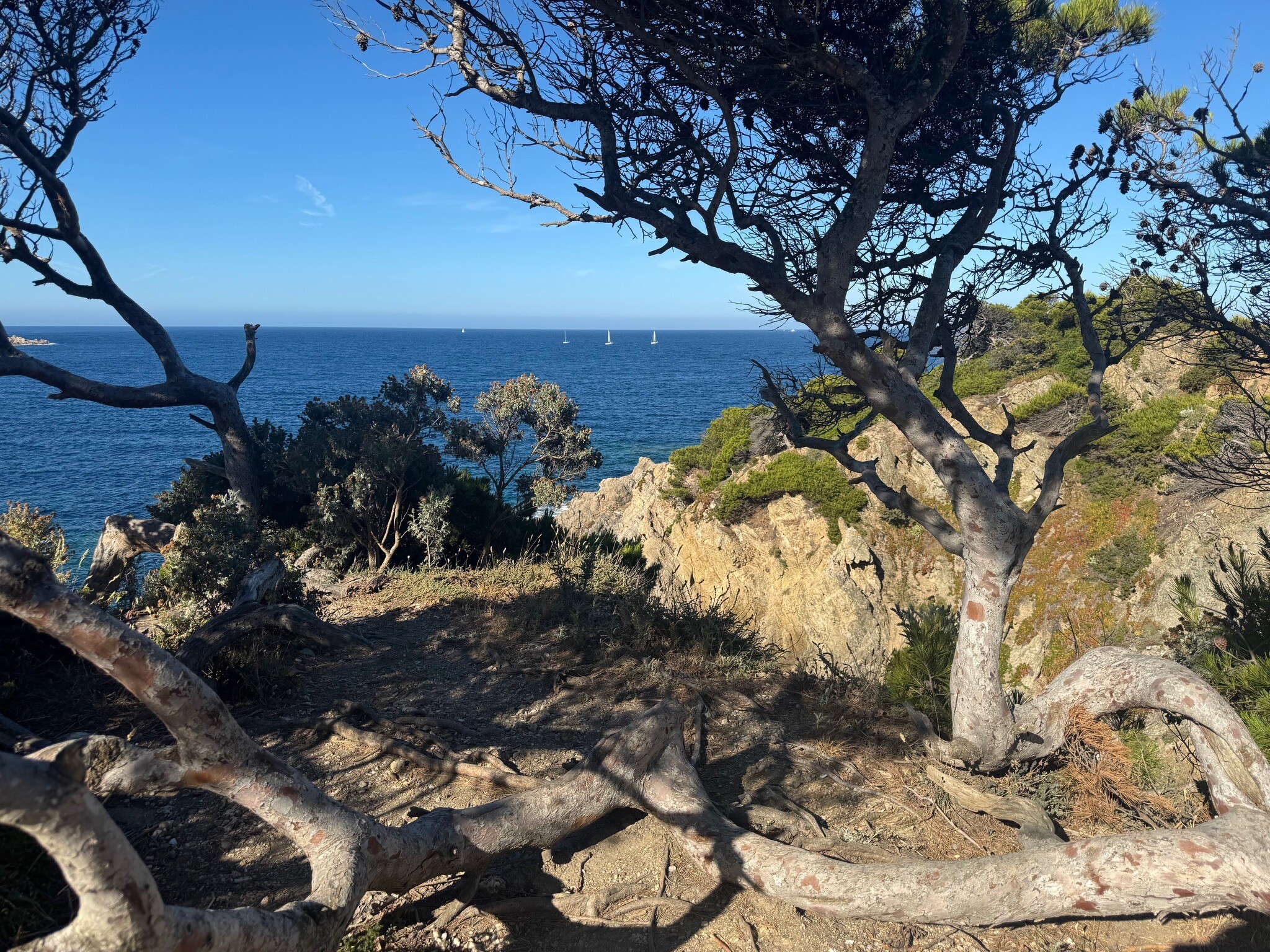
Underfoot, the terrain alternates between hard-packed dirt tracks, loose shale on steep coastal paths, and occasional sandy stretches near the shore. The vegetation is dominated by resilient maquis, holm oaks, and Aleppo pines, which provide patchy shade. Unlike the flat sandy beaches further west, this coastline is defined by jagged schist cliffs and small, sheltered coves where the path climbs and dips continuously to negotiate the uneven shoreline.
In late autumn, particularly around November, the coastal oak forests show subtle color changes while the tourist crowds of the summer months have departed. The paths here are generally well-marked but can be rugged, requiring sturdy footwear to navigate the exposed roots and loose stones. It is a landscape of dry Mediterranean woodland and maritime edges, offering a moderate walking experience without high mountain passes.