The best hiking routes in Plateau d'Ambel
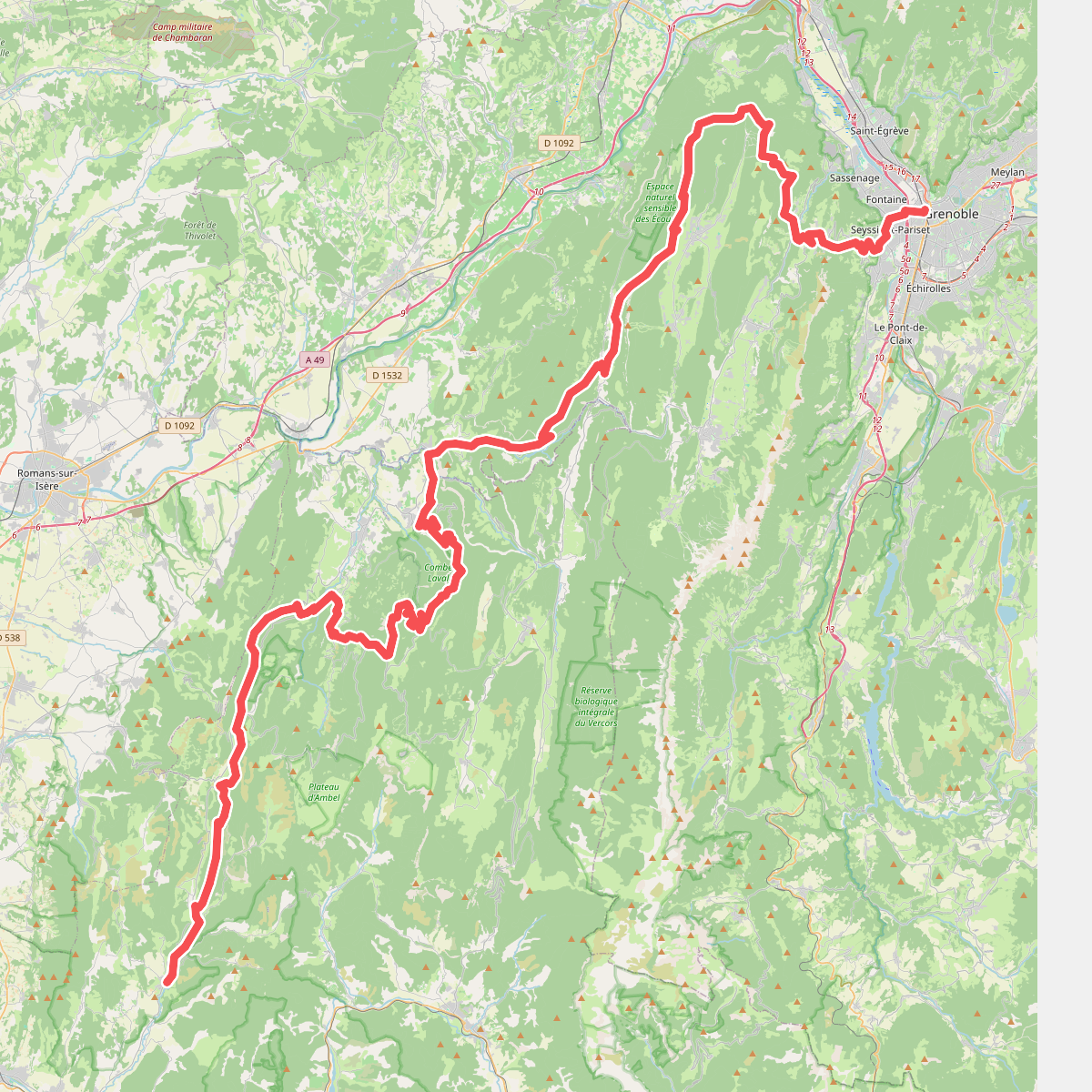
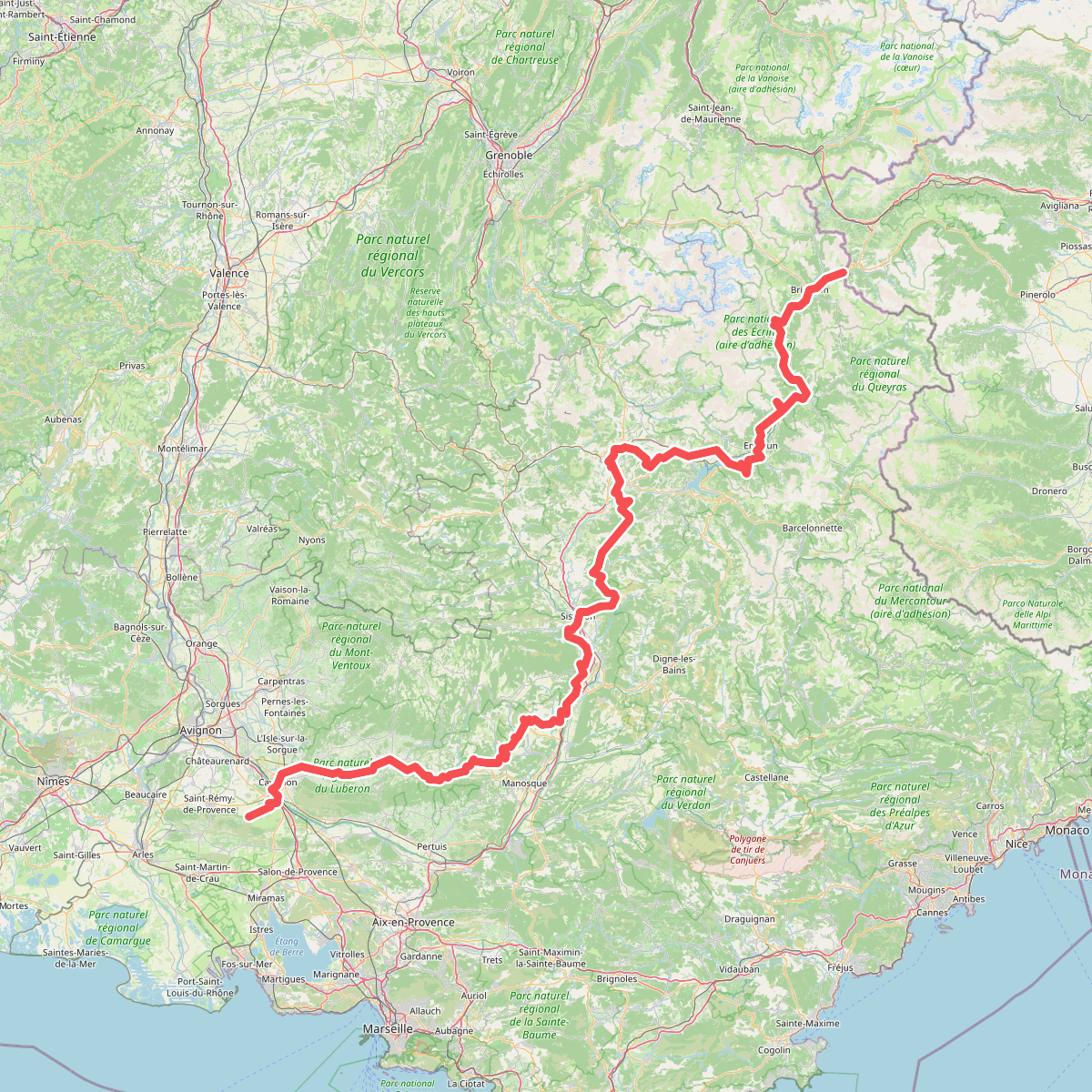
Discover the best walks in Plateau d'Ambel. 2 routes on the map, with descriptions, photos and GPX.
Managed by Département de la Drôme
About Plateau d'Ambel
The Plateau d'Ambel is a vast limestone tableland in the Drôme, characterized by a stark contrast between open pastures and dense beech forests. Unlike the jagged peaks of the high Alps, this area is defined by its rolling, high-altitude meadows and sudden, sheer cliffs that drop off at the edges. Walkers will find a landscape shaped by centuries of sheep grazing, where wide-open grasslands are punctuated by sinkholes and limestone pavement, rather than deep river valleys.
Read more
About Plateau d'Ambel
The Plateau d'Ambel is a vast limestone tableland in the Drôme, characterized by a stark contrast between open pastures and dense beech forests. Unlike the jagged peaks of the high Alps, this area is defined by its rolling, high-altitude meadows and sudden, sheer cliffs that drop off at the edges. Walkers will find a landscape shaped by centuries of sheep grazing, where wide-open grasslands are punctuated by sinkholes and limestone pavement, rather than deep river valleys.
Read moreThe Plateau d'Ambel is a vast limestone tableland in the Drôme, characterized by a stark contrast between open pastures and dense beech forests. Unlike the jagged peaks of the high Alps, this area is defined by its rolling, high-altitude meadows and sudden, sheer cliffs that drop off at the edges. Walkers will find a landscape shaped by centuries of sheep grazing, where wide-open grasslands are punctuated by sinkholes and limestone pavement, rather than deep river valleys.
Underfoot, the terrain alternates between soft grassy tracks across the pastures and stony, root-filled paths beneath the shade of the forest canopy. In May, the meadows are carpeted with wild narcissi, while October brings a dramatic change as the beech leaves turn deep orange. There are no paved roads across the interior, meaning you rely entirely on marked dirt tracks and occasional forestry trails.
The plateau is managed as a sensitive natural area, meaning it lacks commercial development or tourist shops. While the main access points near the grand cliffs can attract visitors on weekends, the interior pastures offer a quieter, more isolated walking experience where the main encounters are with grazing herds and traditional stone shelters.