The best hiking routes in Riserva Lame di fuori
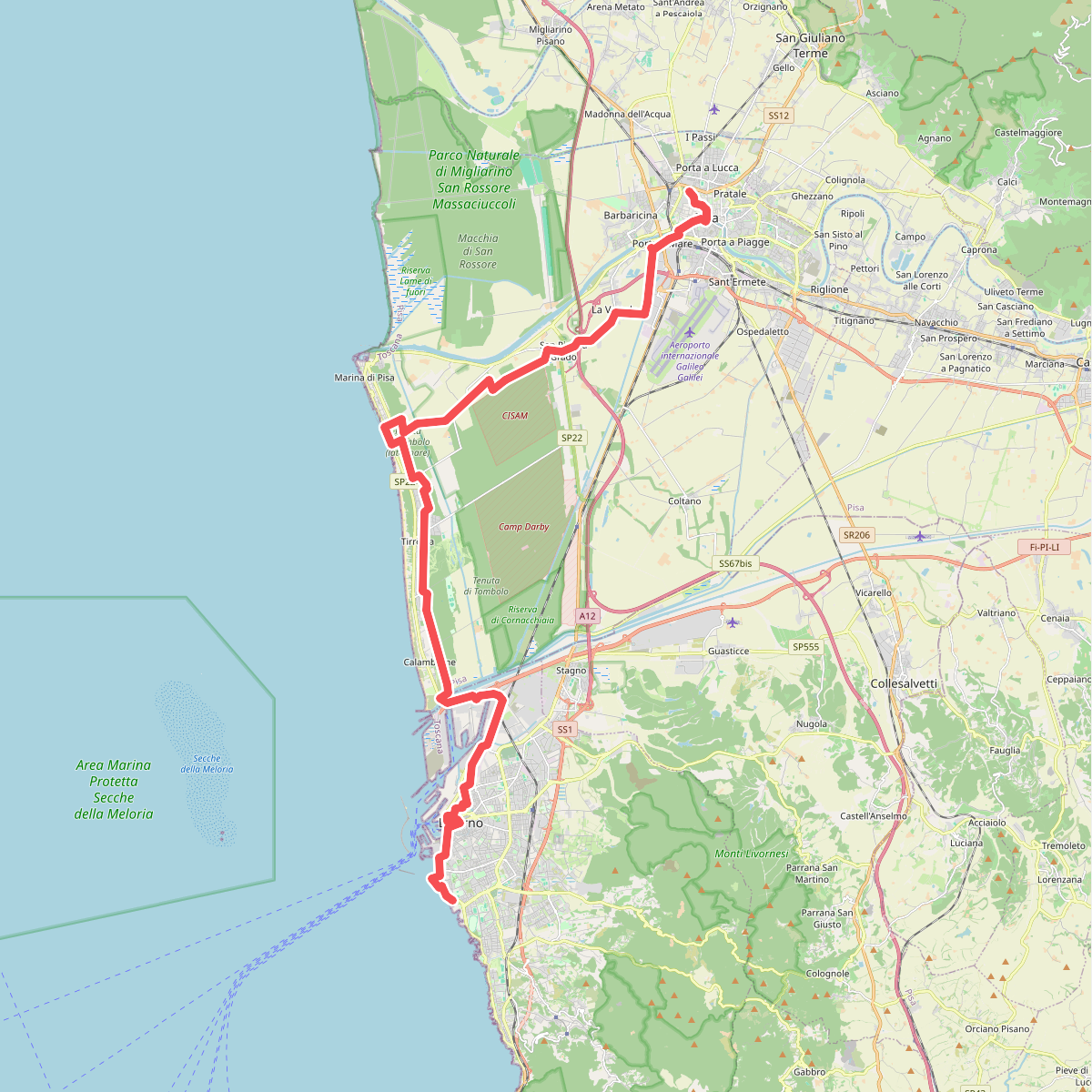
Discover the best walks in Riserva Lame di fuori. 3 routes on the map, with descriptions, photos and GPX.
About Riserva Lame di fuori
Riserva Lame di fuori is a coastal wetland reserve defined by its flat, marshy terrain and brackish lagoons. Unlike the dry, pine-forested dunes found elsewhere along this stretch of coast, this area consists of shallow pools, mudflats, and salt marshes. The landscape is shaped by the transition between freshwater runoff and the salt water of the Adriatic Sea, creating a low-lying basin where water levels fluctuate naturally.
Read more
About Riserva Lame di fuori
Riserva Lame di fuori is a coastal wetland reserve defined by its flat, marshy terrain and brackish lagoons. Unlike the dry, pine-forested dunes found elsewhere along this stretch of coast, this area consists of shallow pools, mudflats, and salt marshes. The landscape is shaped by the transition between freshwater runoff and the salt water of the Adriatic Sea, creating a low-lying basin where water levels fluctuate naturally.
Read moreRiserva Lame di fuori is a coastal wetland reserve defined by its flat, marshy terrain and brackish lagoons. Unlike the dry, pine-forested dunes found elsewhere along this stretch of coast, this area consists of shallow pools, mudflats, and salt marshes. The landscape is shaped by the transition between freshwater runoff and the salt water of the Adriatic Sea, creating a low-lying basin where water levels fluctuate naturally.
Walkers will find a stark contrast between the firm, raised earthen embankments and the soft, muddy ground of the salt pans. The main tracks follow these elevated ridges, offering a stable surface underfoot while keeping you clear of the surrounding marshland. There are no boardwalks here, so the experience relies on following these linear dirt paths that cut directly through the open water and reed beds.
This reserve is not a place for woodland shade or rolling hills; it is an open, exposed environment dominated by halophytic vegetation like glasswort, which turns a deep red in October. While the lack of tree cover means there is no shelter from the elements, it allows for clear views of the specialized birdlife that feeds in the shallow basins. It is a quiet, functional wetland where the focus is entirely on the subtle changes in vegetation and water levels rather than dramatic terrain.