

The best hiking routes in Wye Valley National Landscape
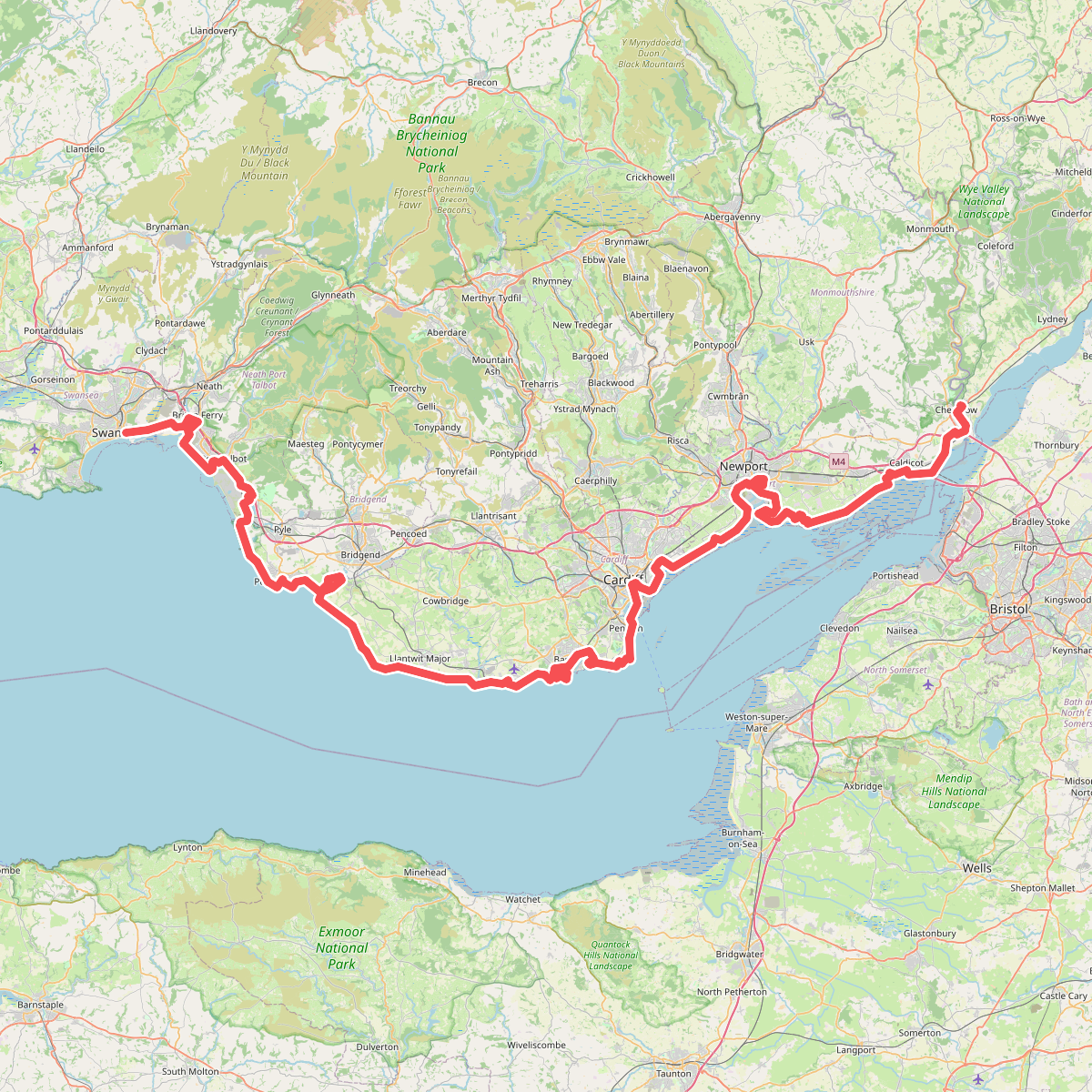
Discover the best walks in Wye Valley National Landscape. 1 routes on the map, with descriptions, photos and GPX.
About Wye Valley National Landscape
The Wye Valley National Landscape is defined by a deep, winding limestone gorge carved by the River Wye, heavily forested with ancient broadleaf woodland that clings to steep cliffs. Unlike flatter English counties, this area offers dramatic verticality, though it lacks high mountain peaks. Walkers will find a distinct contrast between the damp, shaded valley floor, where the river banks can be muddy and soft, and the dry, rocky limestone paths that climb steeply to high viewpoints like Symonds Yat Rock.
Read more
About Wye Valley National Landscape
The Wye Valley National Landscape is defined by a deep, winding limestone gorge carved by the River Wye, heavily forested with ancient broadleaf woodland that clings to steep cliffs. Unlike flatter English counties, this area offers dramatic verticality, though it lacks high mountain peaks. Walkers will find a distinct contrast between the damp, shaded valley floor, where the river banks can be muddy and soft, and the dry, rocky limestone paths that climb steeply to high viewpoints like Symonds Yat Rock.
Read moreThe Wye Valley National Landscape is defined by a deep, winding limestone gorge carved by the River Wye, heavily forested with ancient broadleaf woodland that clings to steep cliffs. Unlike flatter English counties, this area offers dramatic verticality, though it lacks high mountain peaks. Walkers will find a distinct contrast between the damp, shaded valley floor, where the river banks can be muddy and soft, and the dry, rocky limestone paths that climb steeply to high viewpoints like Symonds Yat Rock.
Underfoot, the terrain varies from compacted earth and leaf litter under the dense canopy of beech and oak to exposed limestone roots and stony tracks that require careful stepping. The landscape reflects centuries of industrial history that you can see directly from the path, including old stone quarries, lime kilns, and disused railway lines now reclaimed by moss and ferns. In May, the woodland floor is covered in wild garlic and bluebells, which are particularly prominent in the lower wooded slopes.
This is a working landscape where forestry and farming shape the views. The popular riverside paths and famous viewpoints can be busy, especially on weekends, while the higher, less-marked woodland tracks on the valley ridges offer a quieter, more enclosed experience. Walkers should expect steep, sustained climbs to exit the gorge, rather than gently rolling fields.