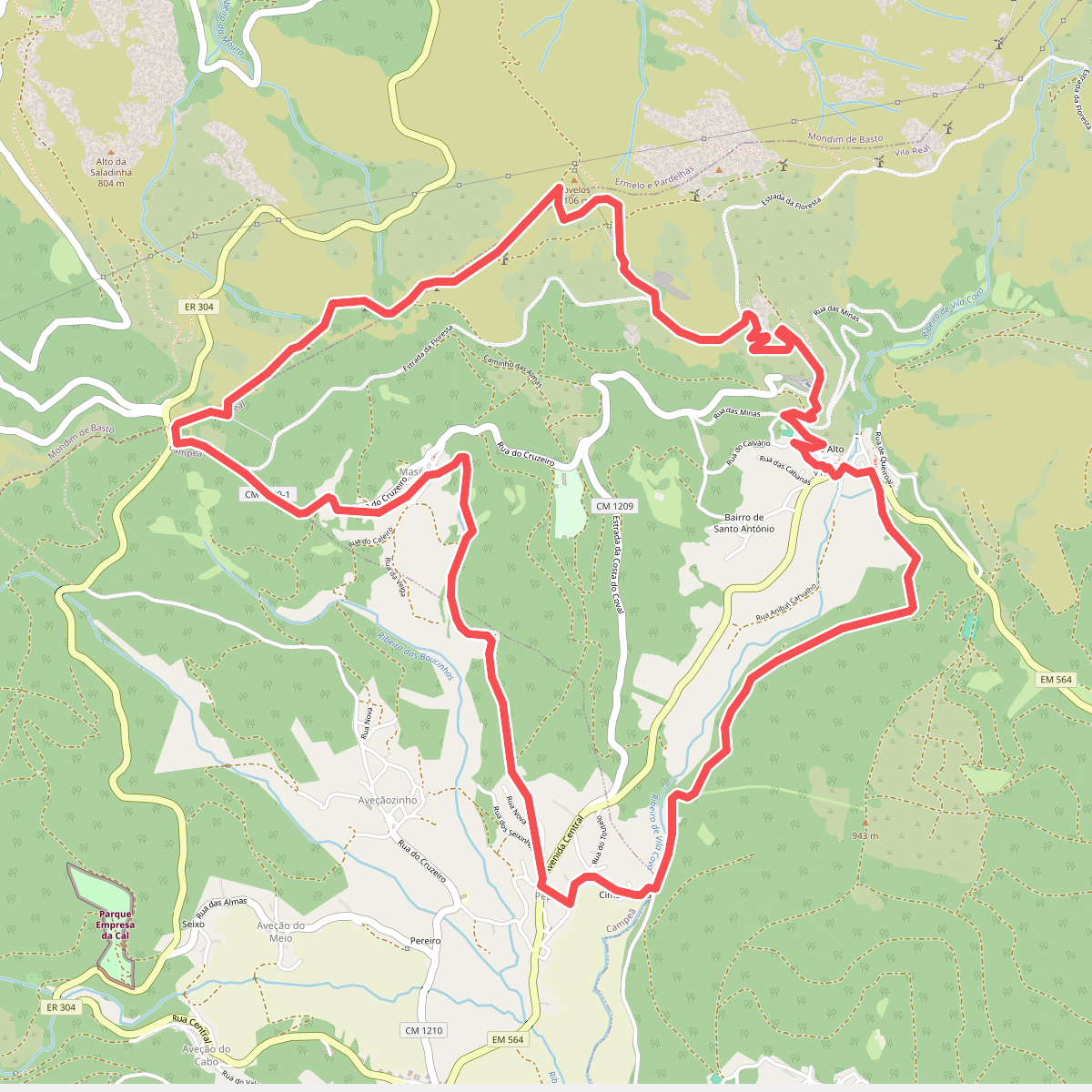
The best hiking routes in Alvão/Marão
Discover the best walks in Alvão/Marão. 17 routes on the map, with descriptions, photos and GPX.
Managed by Instituto da Conservação da Natureza e das Florestas
About Alvão/Marão
The Alvão/Marão area presents a stark contrast between two adjacent mountain systems in northern Portugal. In the lower Alvão sector, the landscape is dominated by a high, wet granite plateau where watercourses have carved deep ravines, creating waterfalls like the Fisgas de Ermelo. Here, the vegetation consists of damp heath, peat bogs, and scrub, with traditional stone villages and terraced pastures lining the valley sides. In contrast, the higher Marão range is a massive schist barrier, rising to steep, rocky ridges with sparse cover, where reforestation efforts have introduced pine stands among the native oak pockets.
Read more
About Alvão/Marão
The Alvão/Marão area presents a stark contrast between two adjacent mountain systems in northern Portugal. In the lower Alvão sector, the landscape is dominated by a high, wet granite plateau where watercourses have carved deep ravines, creating waterfalls like the Fisgas de Ermelo. Here, the vegetation consists of damp heath, peat bogs, and scrub, with traditional stone villages and terraced pastures lining the valley sides. In contrast, the higher Marão range is a massive schist barrier, rising to steep, rocky ridges with sparse cover, where reforestation efforts have introduced pine stands among the native oak pockets.
Read moreThe Alvão/Marão area presents a stark contrast between two adjacent mountain systems in northern Portugal. In the lower Alvão sector, the landscape is dominated by a high, wet granite plateau where watercourses have carved deep ravines, creating waterfalls like the Fisgas de Ermelo. Here, the vegetation consists of damp heath, peat bogs, and scrub, with traditional stone villages and terraced pastures lining the valley sides. In contrast, the higher Marão range is a massive schist barrier, rising to steep, rocky ridges with sparse cover, where reforestation efforts have introduced pine stands among the native oak pockets.
Walking here means navigating a mix of ancient agricultural paths and rough mountain tracks. In the Alvão valleys, you will walk on old stone-paved tracks connecting isolated hamlets, where cattle still graze on communal pastures. Up on the Marão ridges, the underfoot changes to loose shale, exposed bedrock, and stony fire breaks that require careful footwork. The terrain is demanding, defined by steep gradients rather than gentle rolling hills, and there are no purpose-built boardwalks to ease the way.
In late spring, around May, the yellow gorse and purple heather bloom across the high slopes, contrasting sharply with the dark grey schist of Marão. This is a working rural landscape where you will see active pastoralism, forestry, and traditional irrigation channels alongside the trail. While the main waterfall viewpoints attract visitors, the higher mountain tracks and deep schist valleys remain quiet, offering a direct encounter with a rugged, unpolished Iberian highland.
Hiking routes in Alvão/Marão (17)
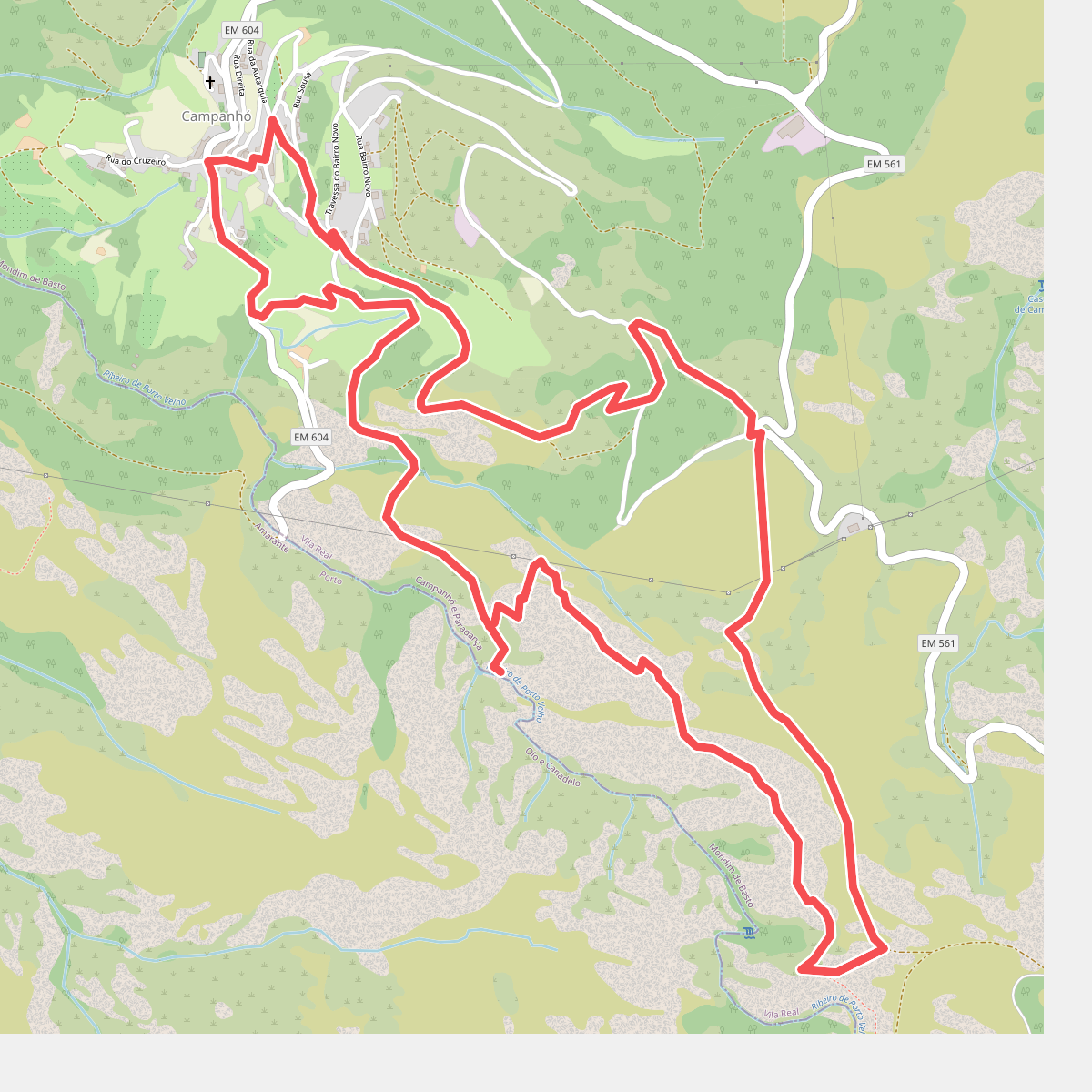
#1. Caminho do Porto Velho
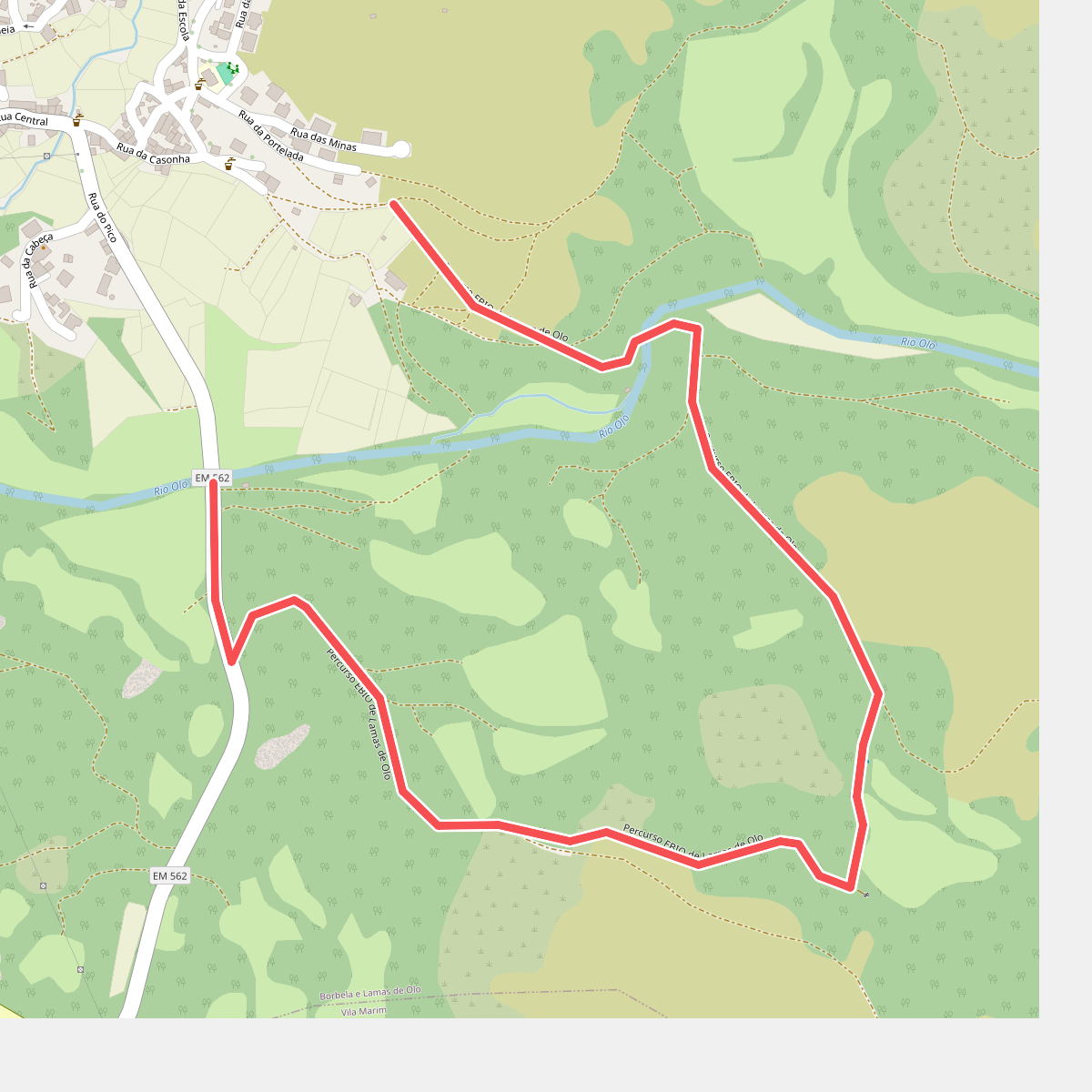
#2. Estação da Biodiversidade de Lamas de Olo
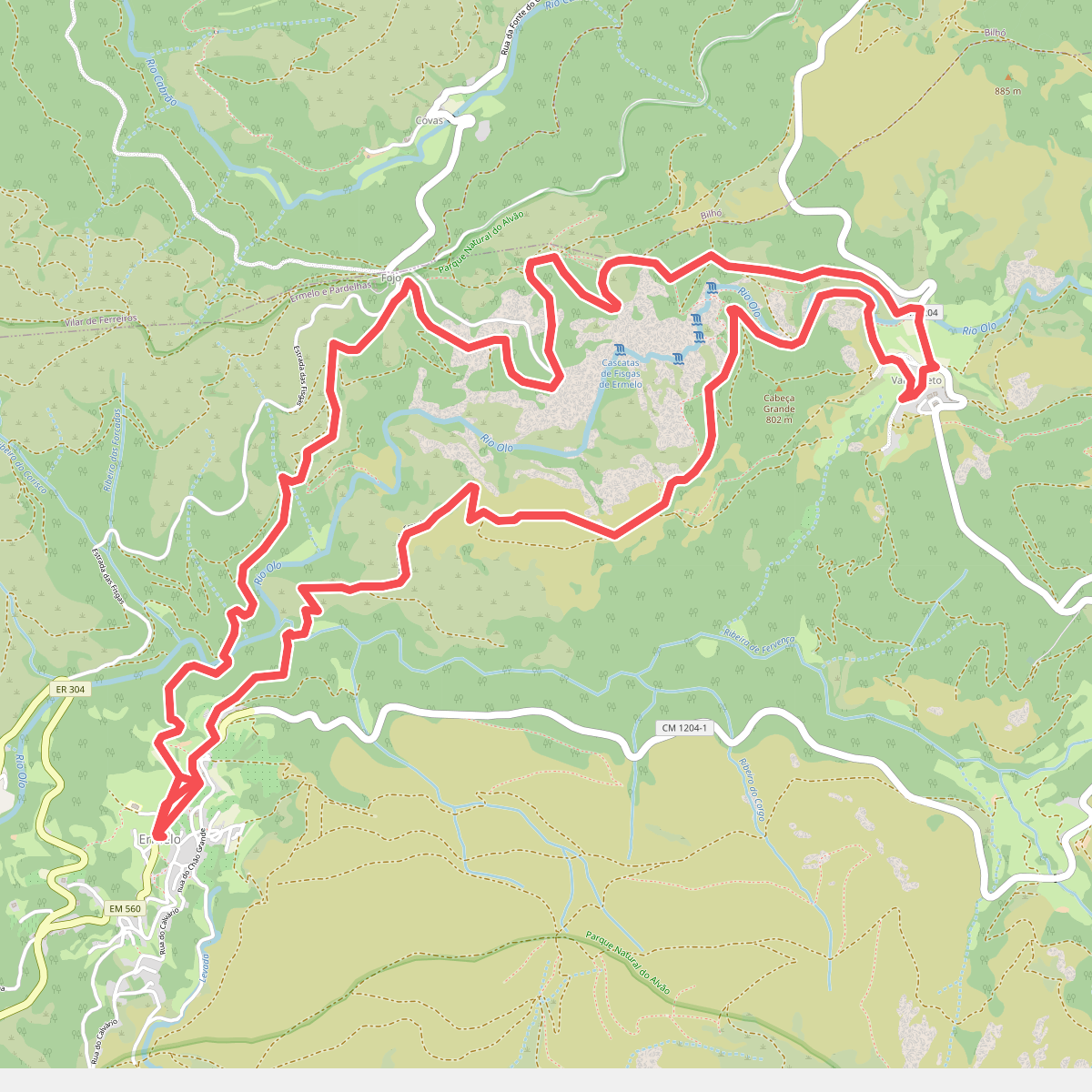
#3. Fisgas de Ermelo
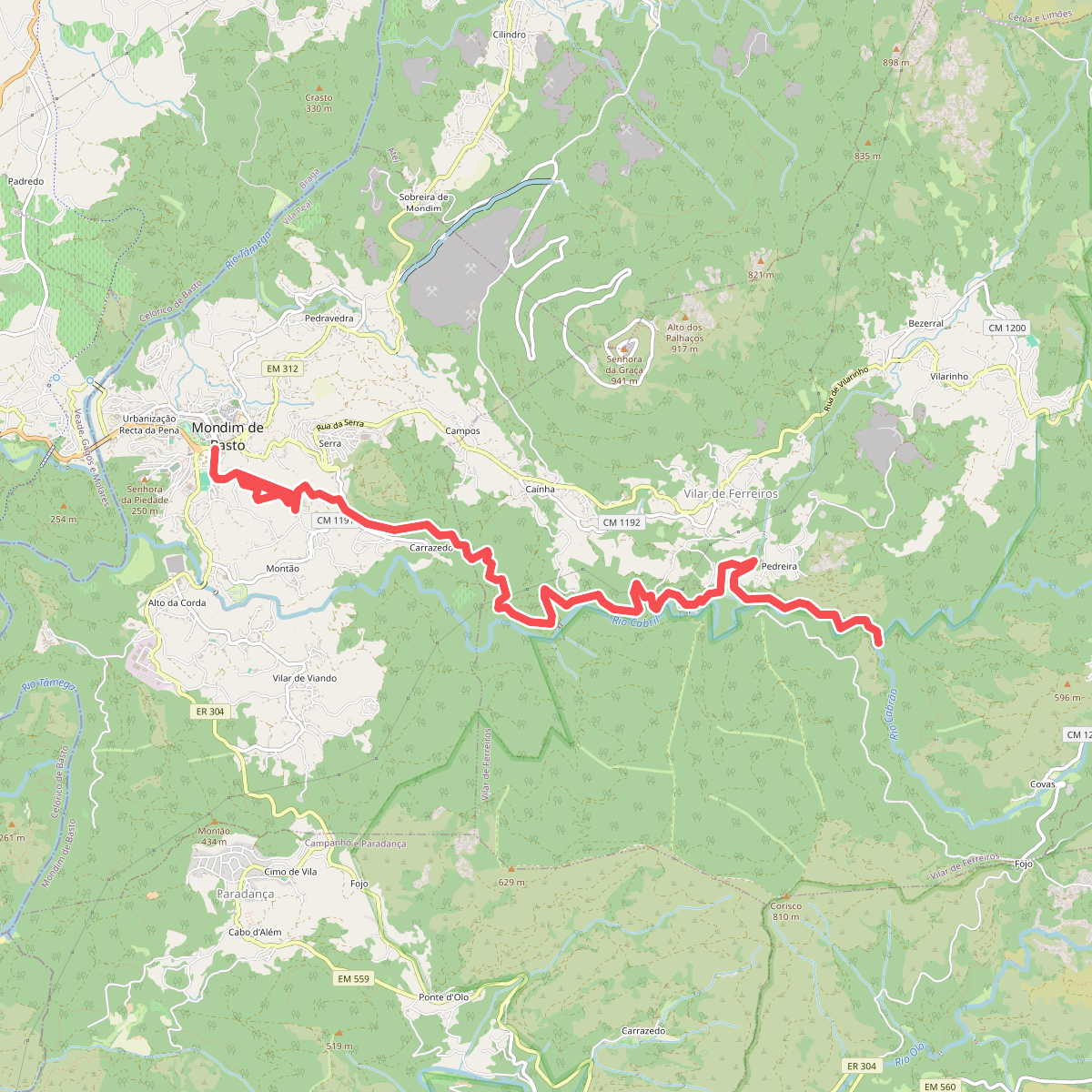
#4. Levada de Piscaredo
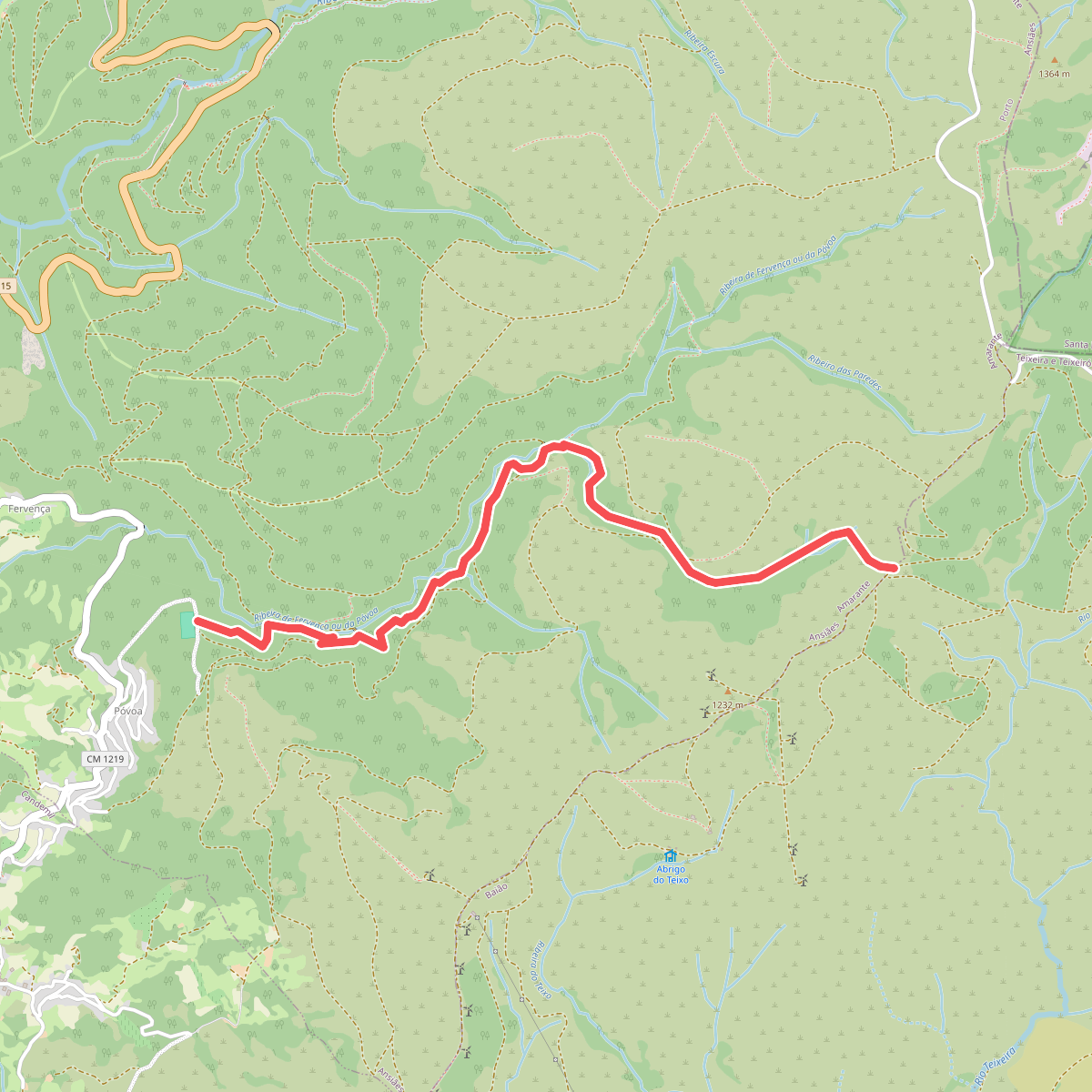
#5. Marão tem sangue Azul
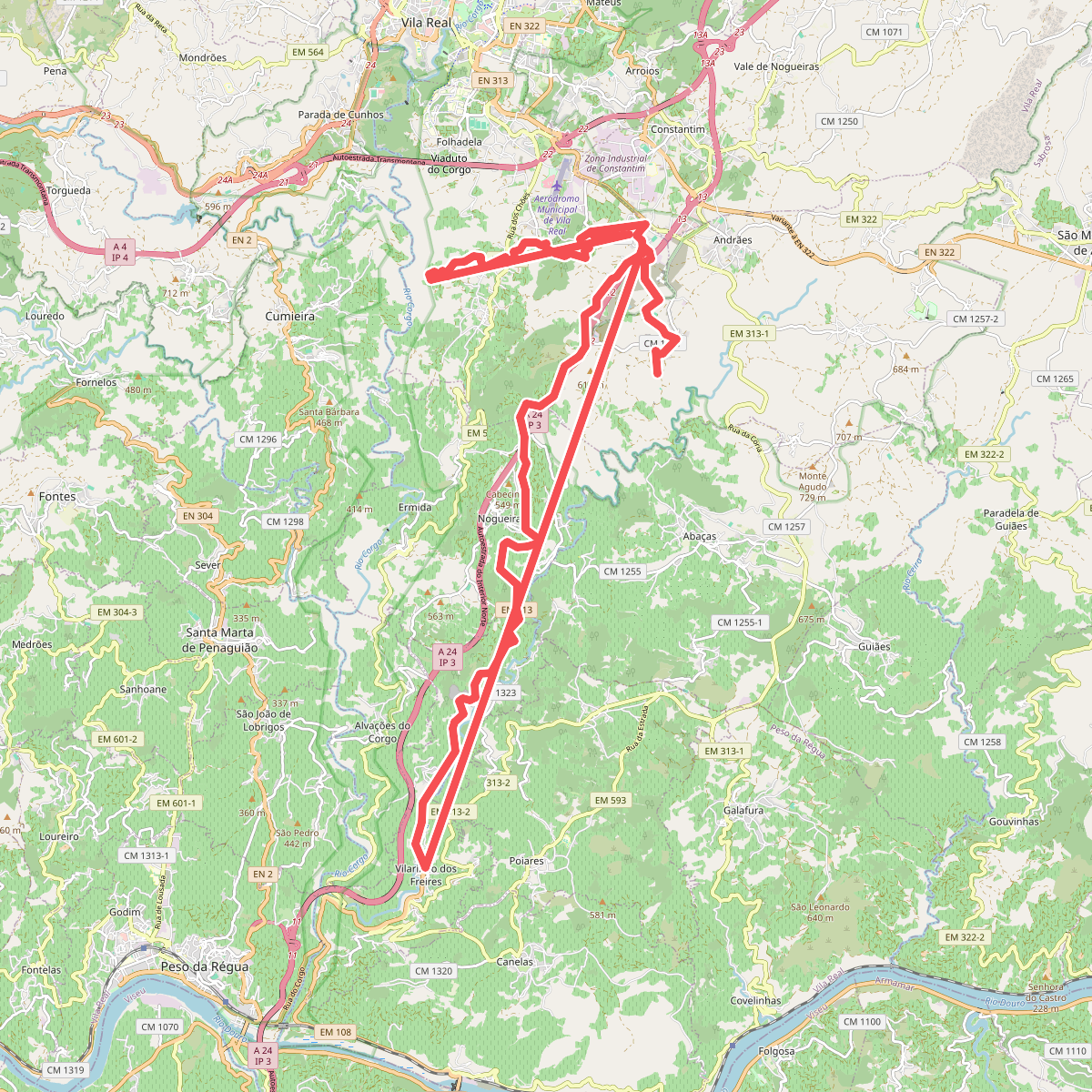
#6. Percurso pedestre do Douro Vinhateiro III
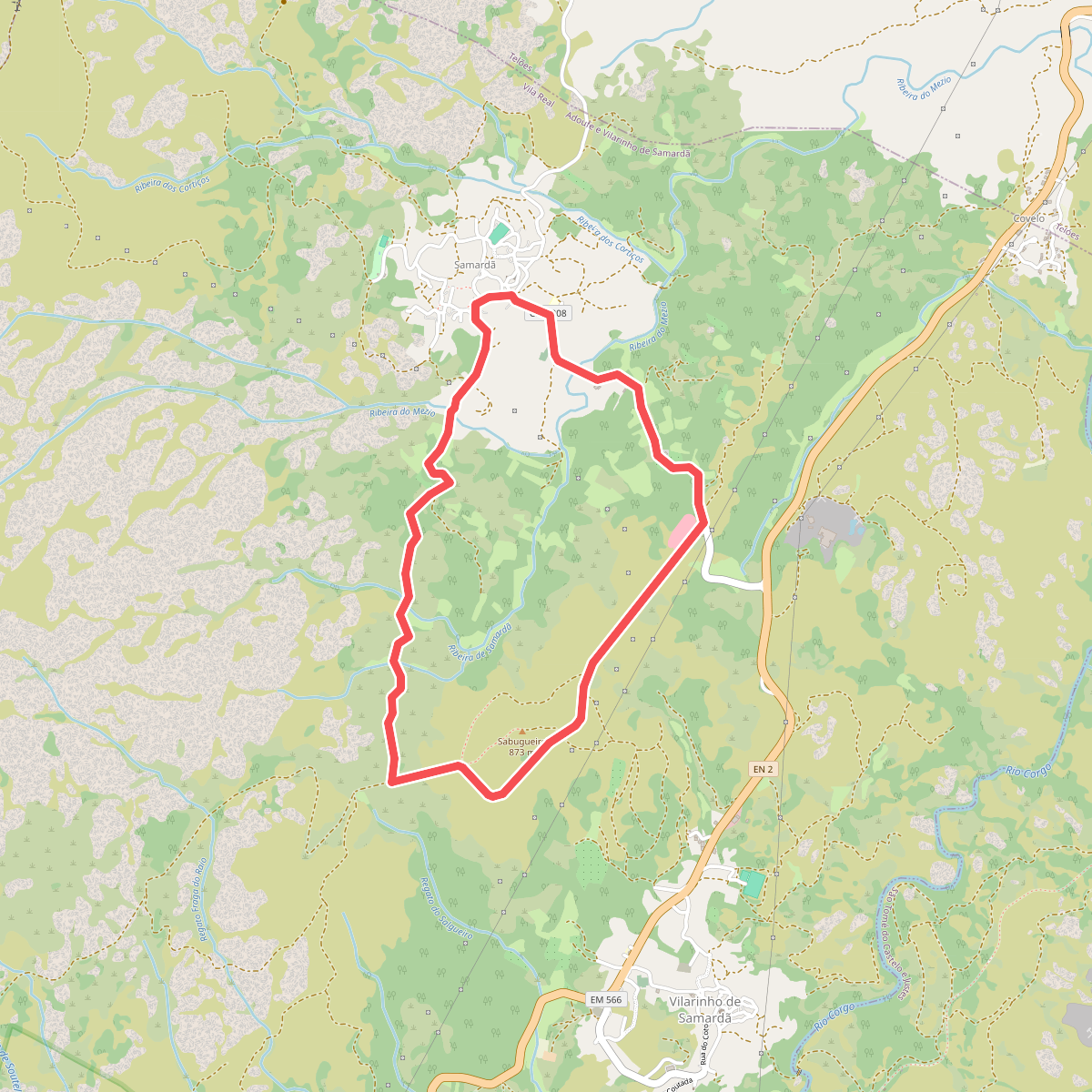
#7. PR10VRL - Percurso Pedestre do Fojo do Lobo
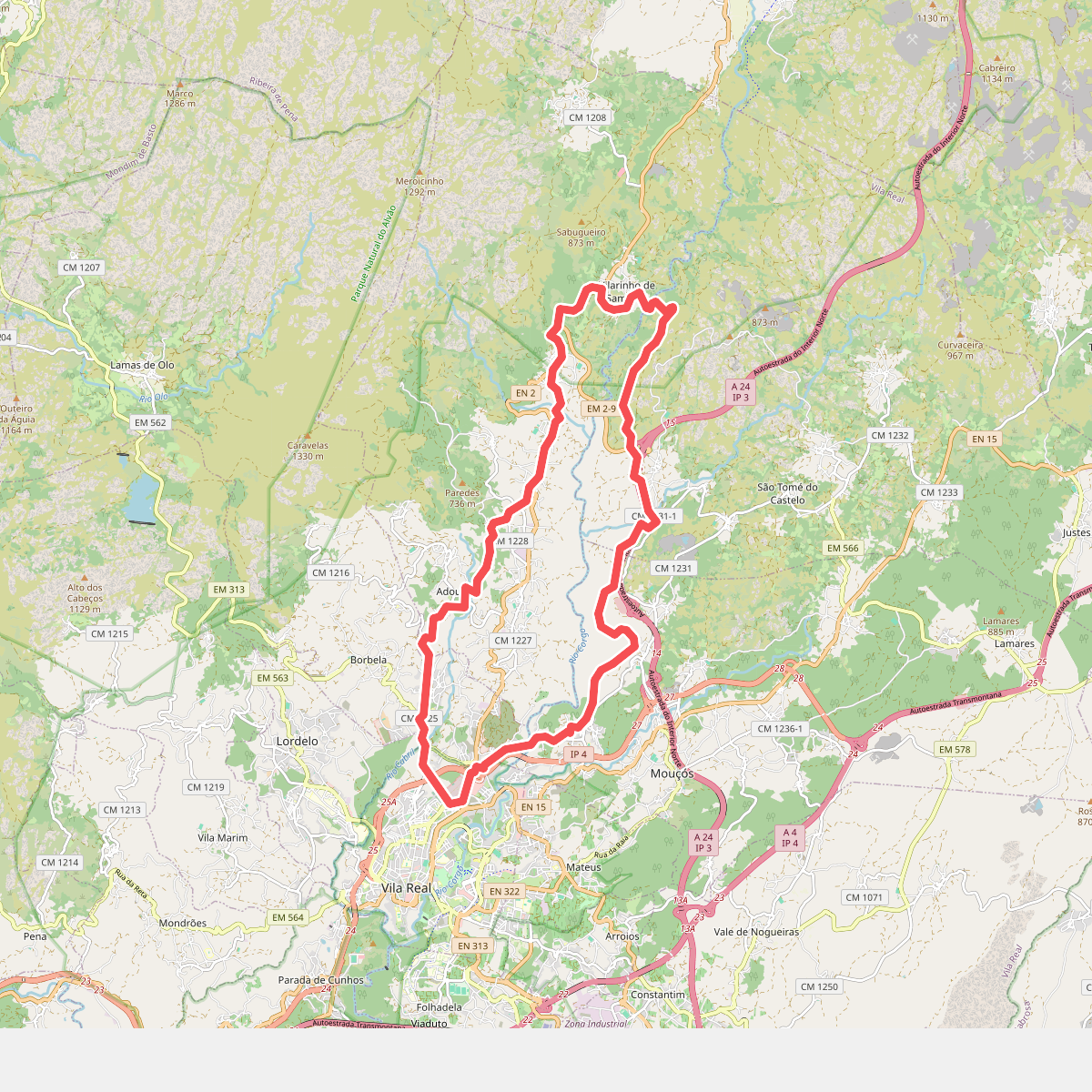
#8. PR2VRL - Percurso Pedestre do Corgo Norte
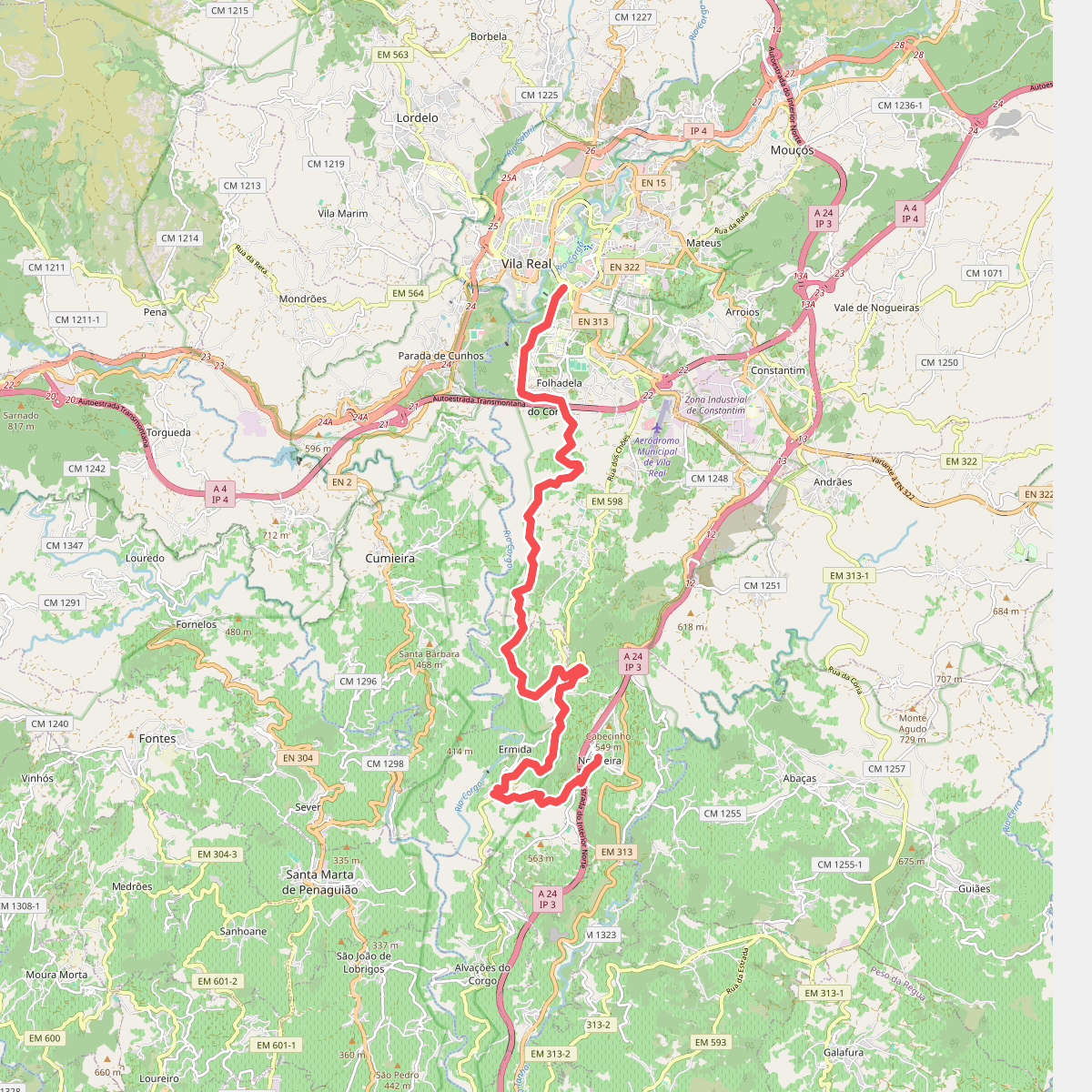
#9. PR3VRL - Percurso Pedestre do Douro Vinhateiro I
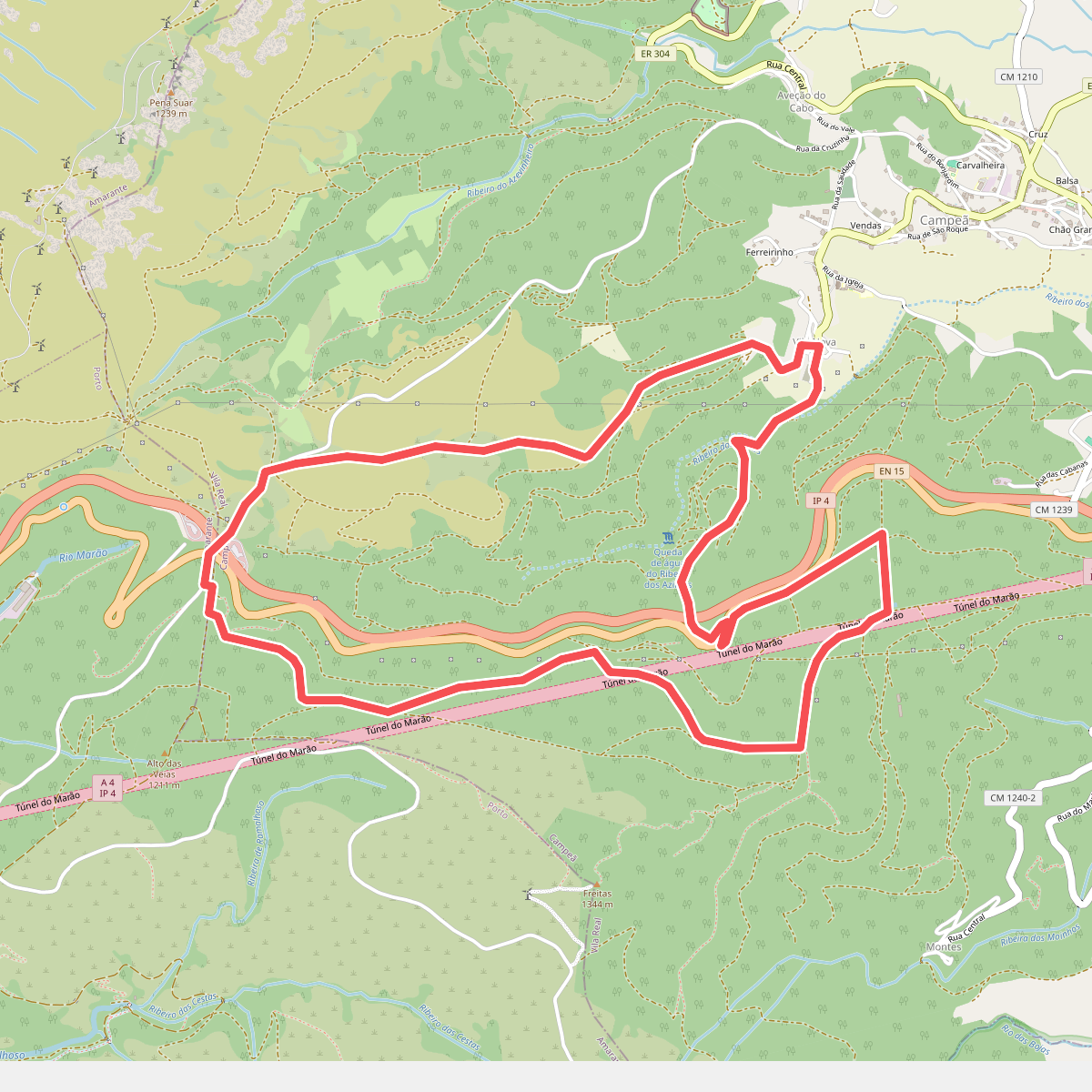
#10. PR6VRL - Percurso Pedestre das Florestas do Marão
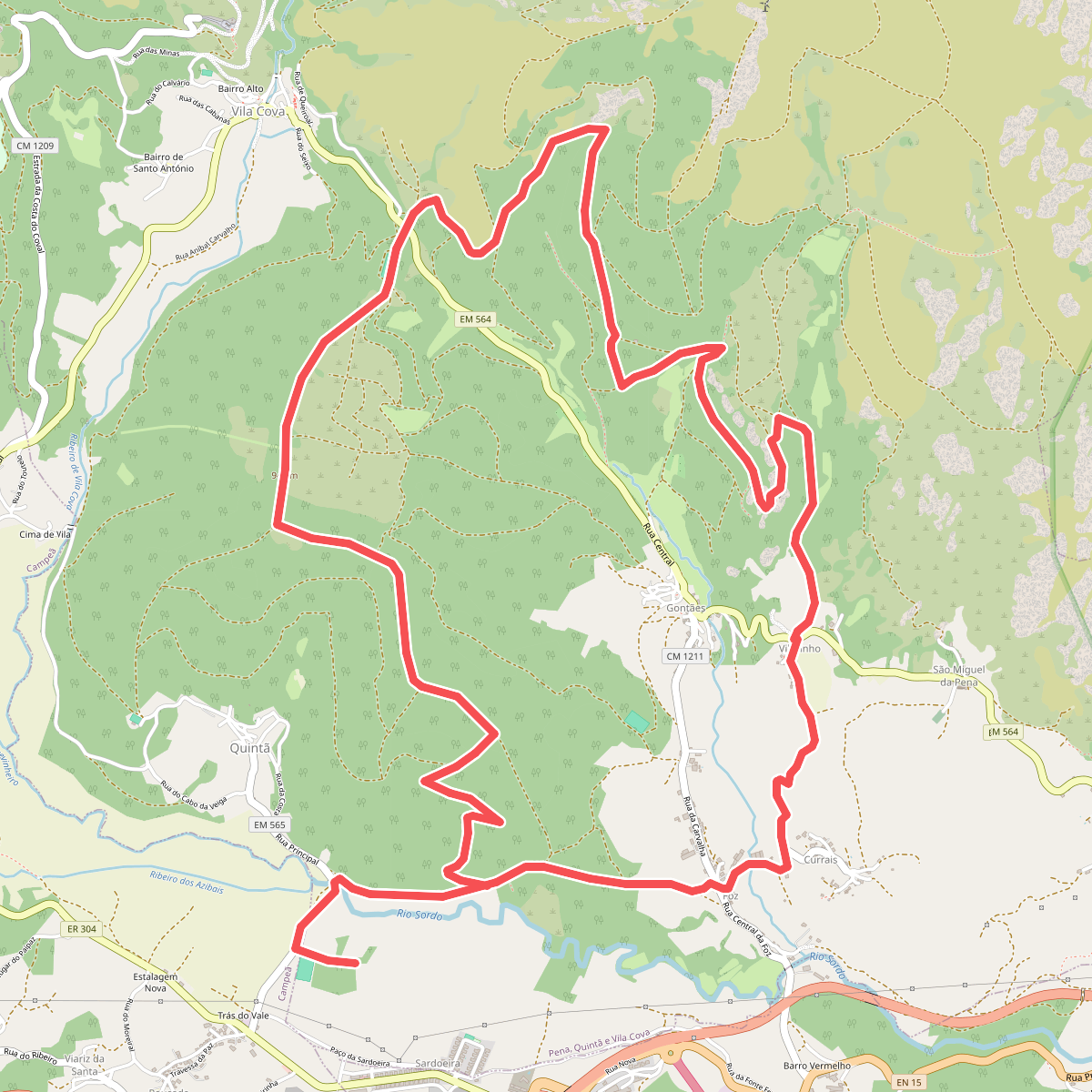
#11. PR7VRL - Percurso Pedestre do Carvalhal de Gontães