

The best hiking routes in Parc naturel régional Loire-Anjou-Touraine
Discover the best walks in Parc naturel régional Loire-Anjou-Touraine. 148 routes on the map, with descriptions, photos and GPX.
About Parc naturel régional Loire-Anjou-Touraine
Parc naturel régional Loire-Anjou-Touraine is defined by the slow-moving waters of the Loire and Vienne rivers, where wide alluvial valleys meet low limestone hillsides. Walkers here will find a landscape shaped by water and human masonry. The valley floors consist of damp meadows, poplar groves, and sandy riverbanks that shift with the seasonal flow. Rising immediately from these flats are the characteristic tufa cliffs, honeycombed with troglodyte dwellings and old quarries that provided the pale stone for the region's châteaux.
Read more
About Parc naturel régional Loire-Anjou-Touraine
Parc naturel régional Loire-Anjou-Touraine is defined by the slow-moving waters of the Loire and Vienne rivers, where wide alluvial valleys meet low limestone hillsides. Walkers here will find a landscape shaped by water and human masonry. The valley floors consist of damp meadows, poplar groves, and sandy riverbanks that shift with the seasonal flow. Rising immediately from these flats are the characteristic tufa cliffs, honeycombed with troglodyte dwellings and old quarries that provided the pale stone for the region's châteaux.
Read moreParc naturel régional Loire-Anjou-Touraine is defined by the slow-moving waters of the Loire and Vienne rivers, where wide alluvial valleys meet low limestone hillsides. Walkers here will find a landscape shaped by water and human masonry. The valley floors consist of damp meadows, poplar groves, and sandy riverbanks that shift with the seasonal flow. Rising immediately from these flats are the characteristic tufa cliffs, honeycombed with troglodyte dwellings and old quarries that provided the pale stone for the region's châteaux.
Underfoot, the terrain transitions quickly from soft, silty river paths to firm, chalky tracks as you climb the gentle slopes of the hillsides. These slopes are dominated by vineyards and dry oak woodlands, offering a stark contrast to the humid riverbanks below. Walking routes frequently alternate between these two environments, taking you from shaded, sunken lanes cut into the limestone to open paths along the dikes built to contain the river.
This park does not offer rugged peaks or deep wilderness; the landscape is thoroughly shaped by centuries of agriculture and river management. While the main riverside paths near the famous châteaux can attract crowds, the wooded plateaus and the smaller valleys of tributaries like the Indre offer quieter, more solitary walking. In late spring, the meadows along the riverbanks are particularly rich with wildflowers before the summer heat dries the sandy soils of the valley floor.
Hiking routes in Parc naturel régional Loire-Anjou-Touraine (148)
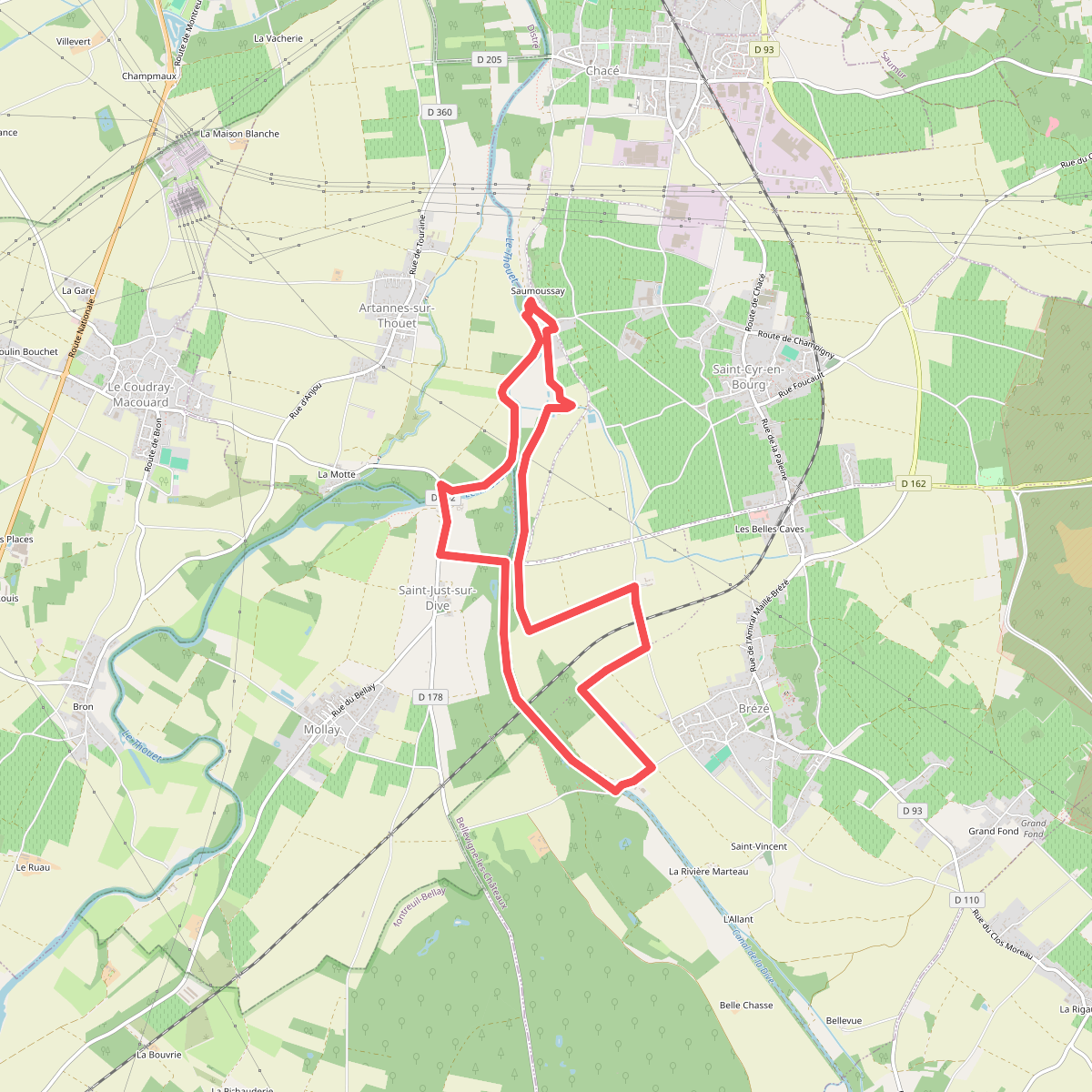
#1. À la confluence du Thouet et de la Dive
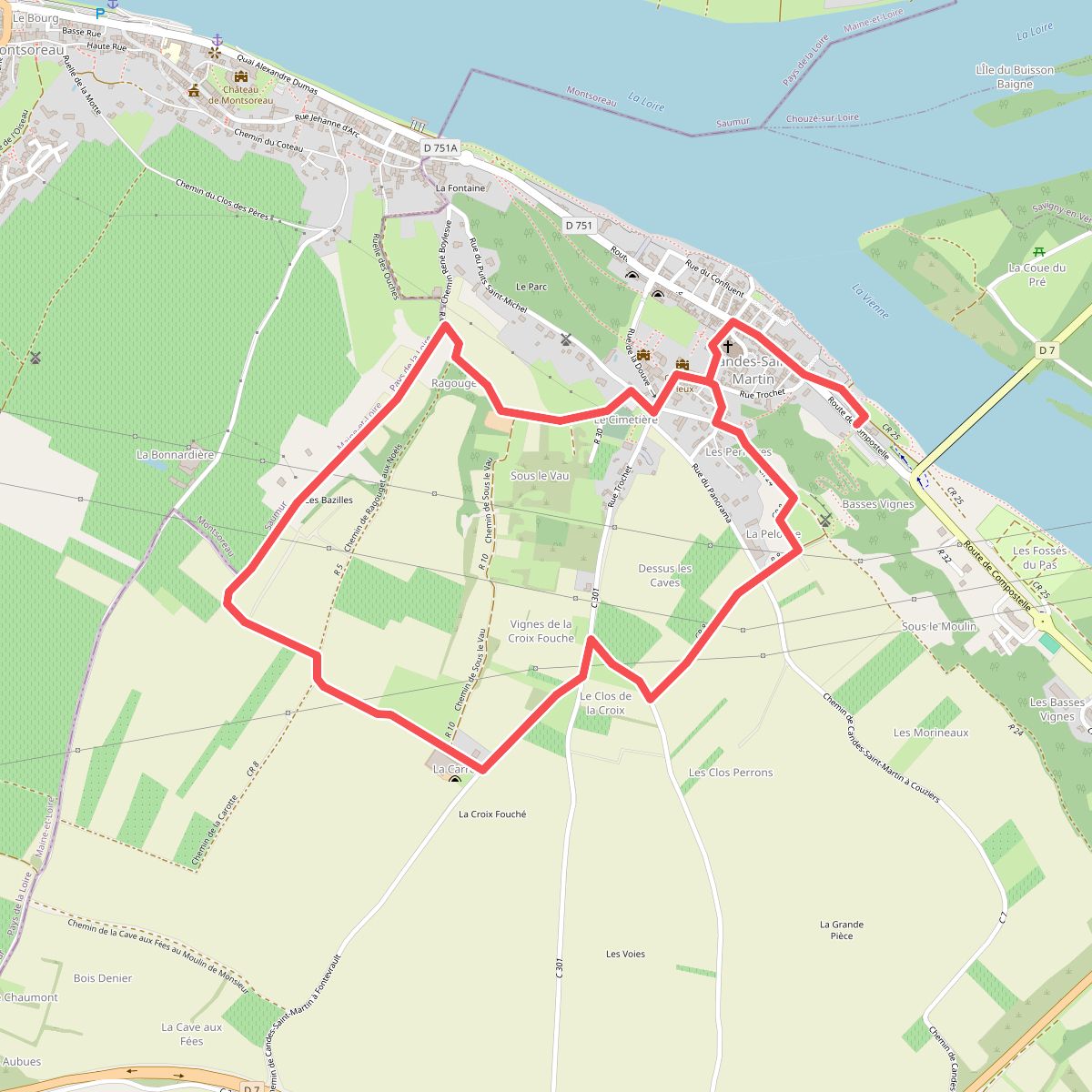
#2. À la Confluence Loire et Vienne - Candes-Saint-Martin
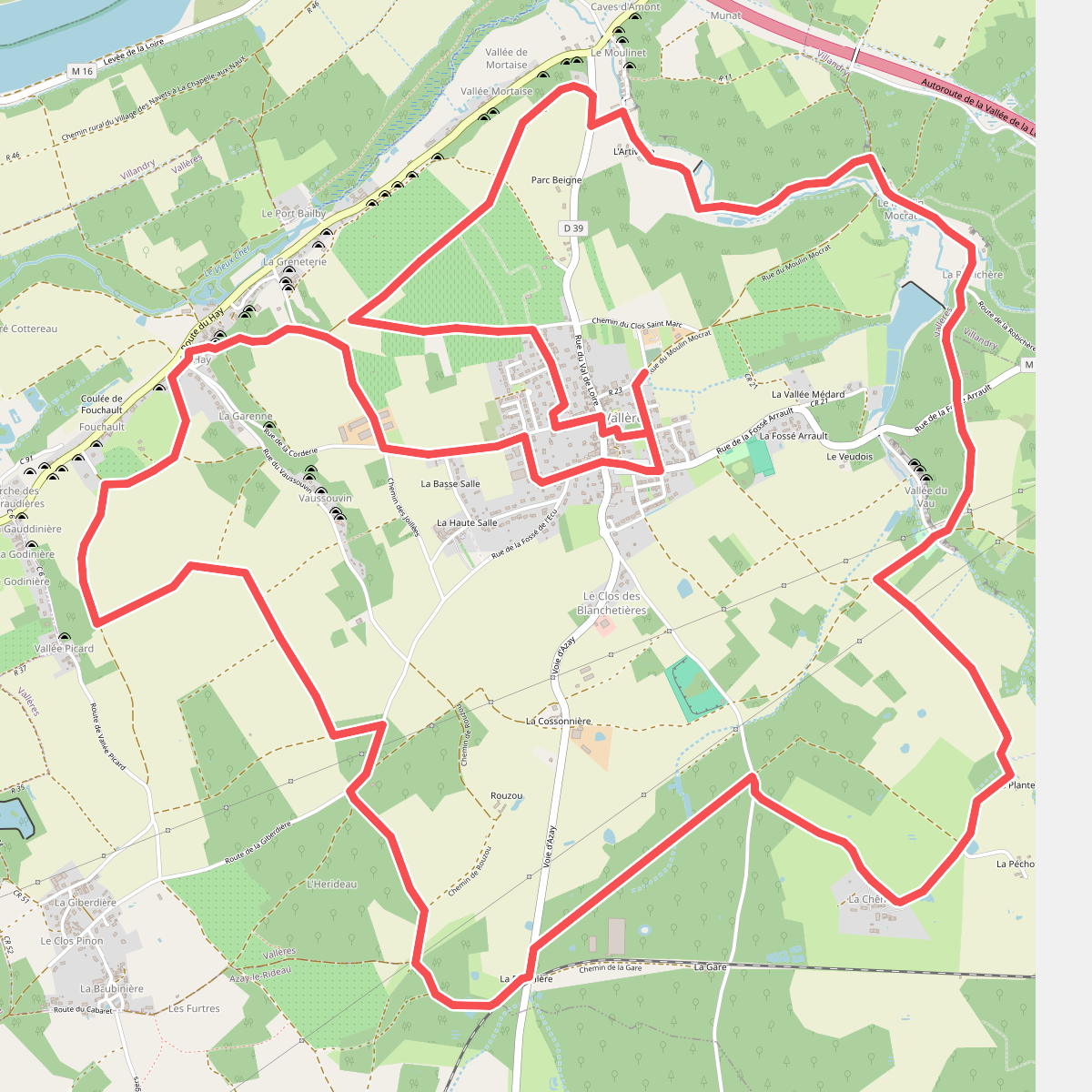
#3. À travers-toi Vallères
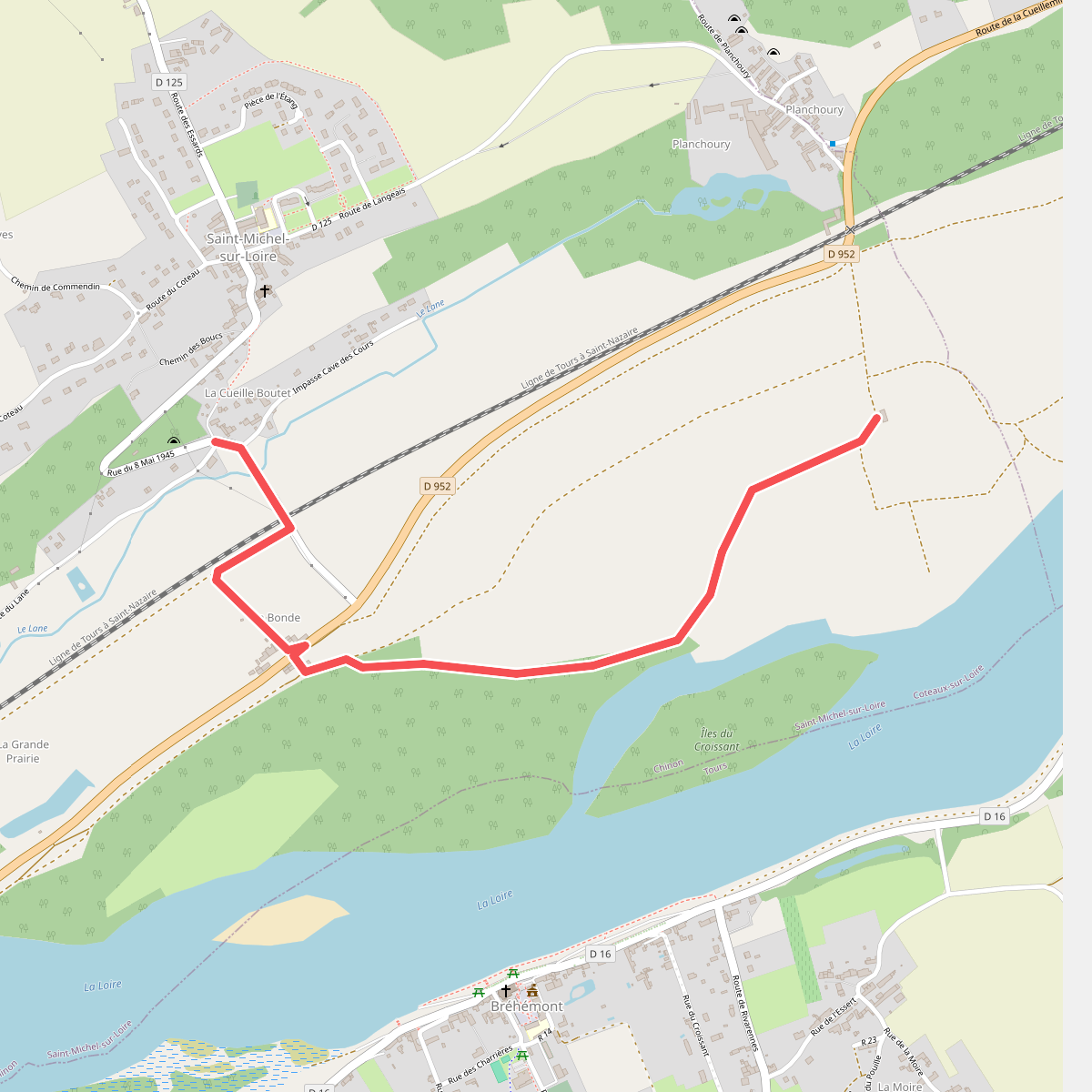
#4. Aller-retour vers la Grange de l'Île
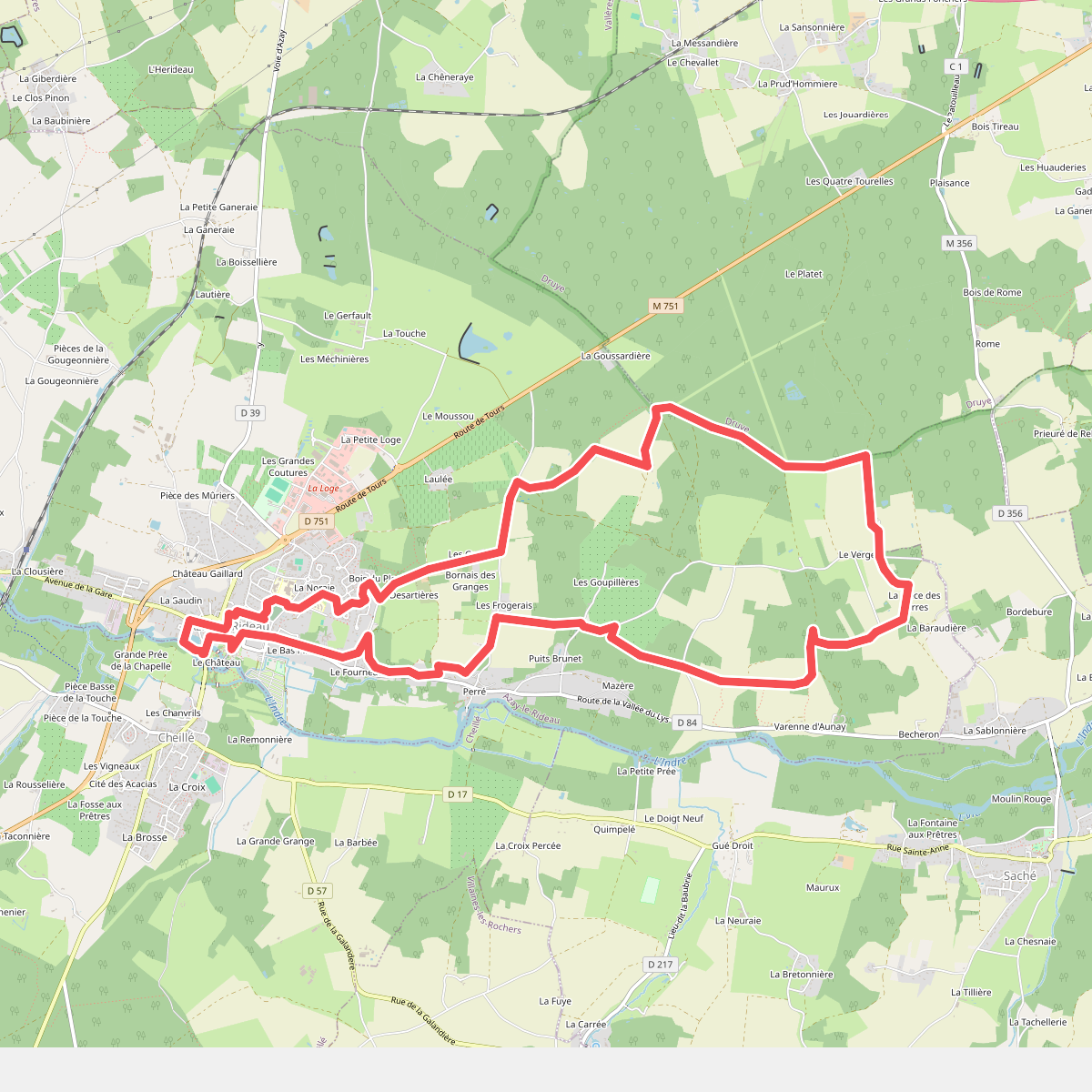
#5. Au détour de la Vallée du Lys
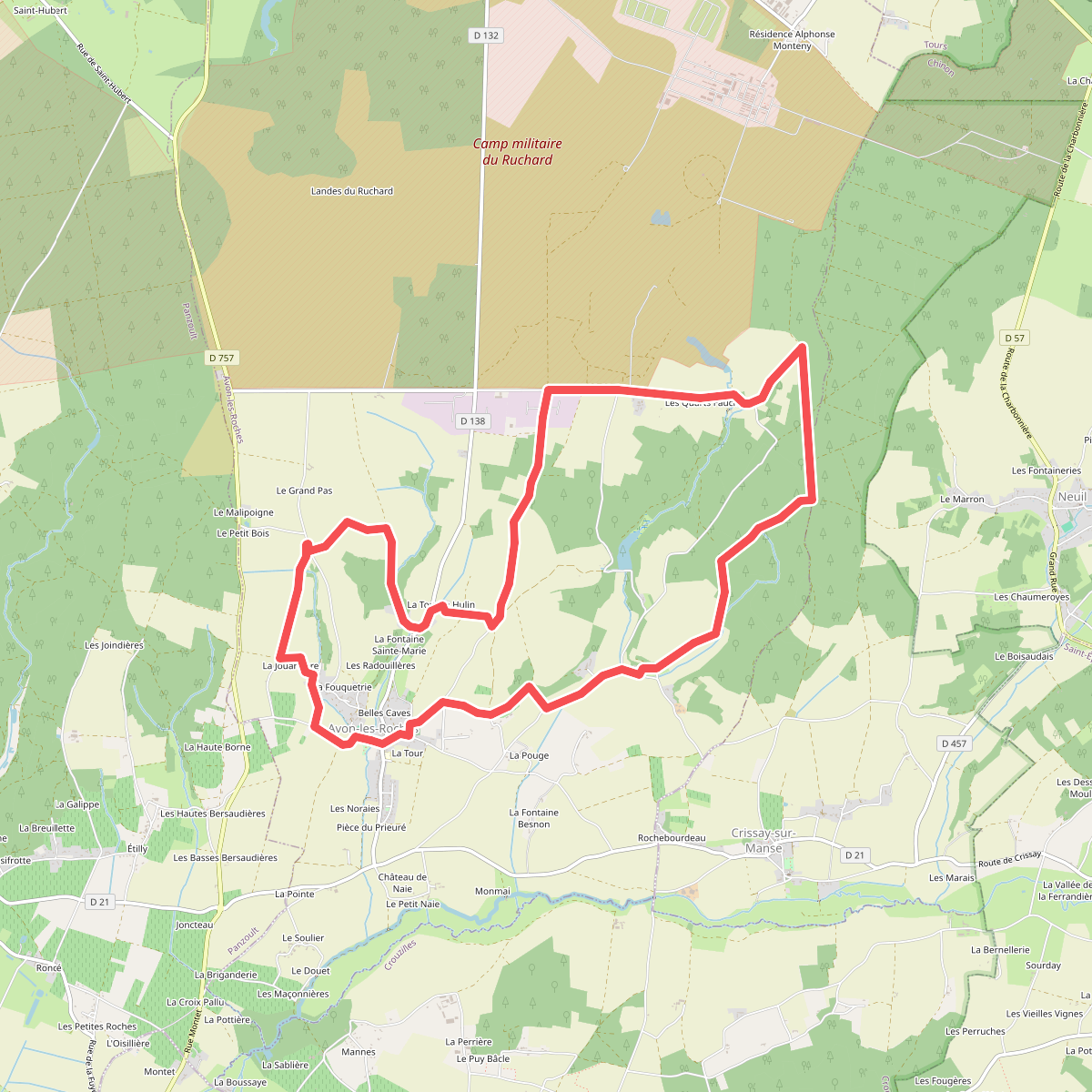
#6. Avon-les-Roches - Lavoirs et Collégiales des Roches Tranchelion
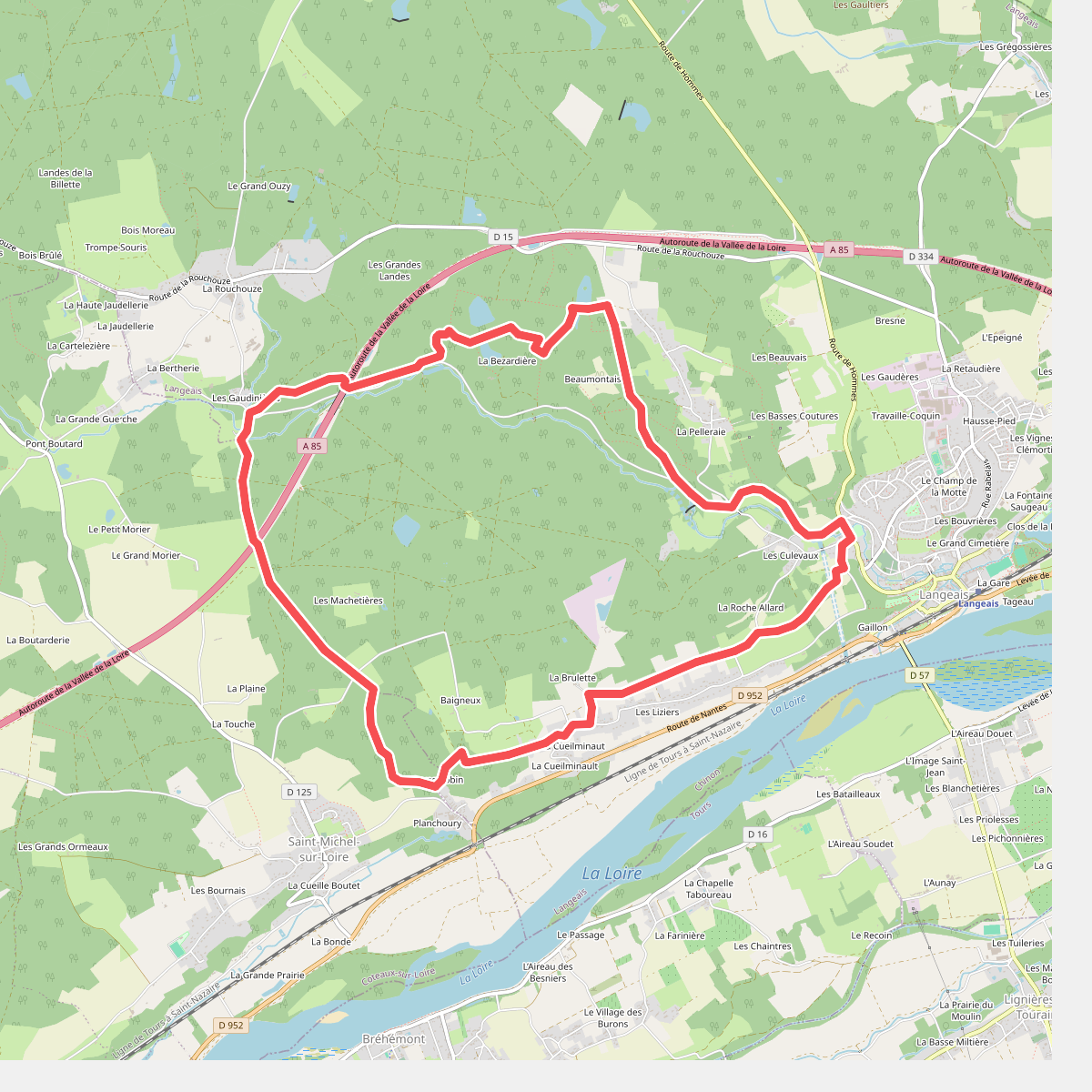
#7. Bois de Langeais
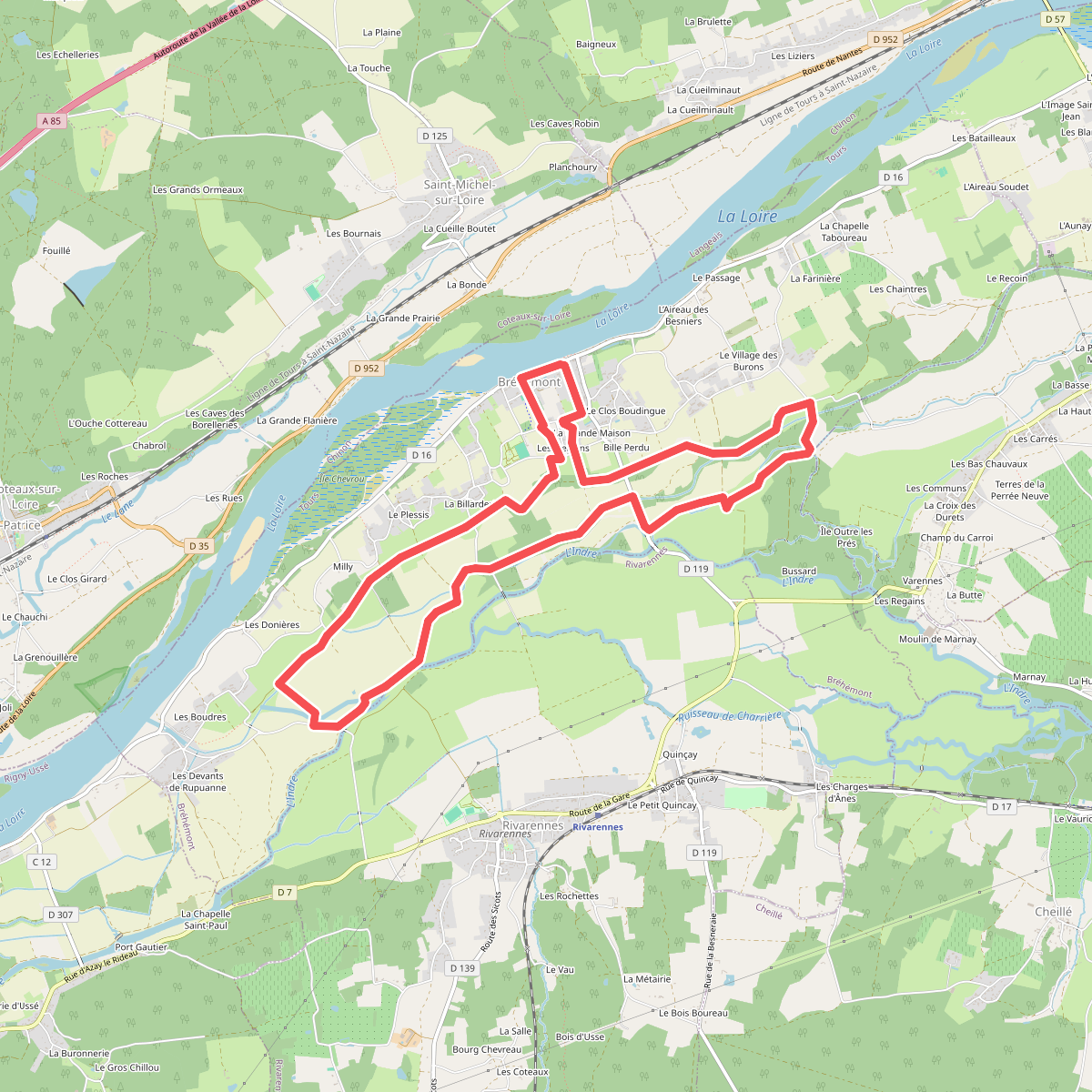
#8. Bréhémont - Entre Indre et Loire
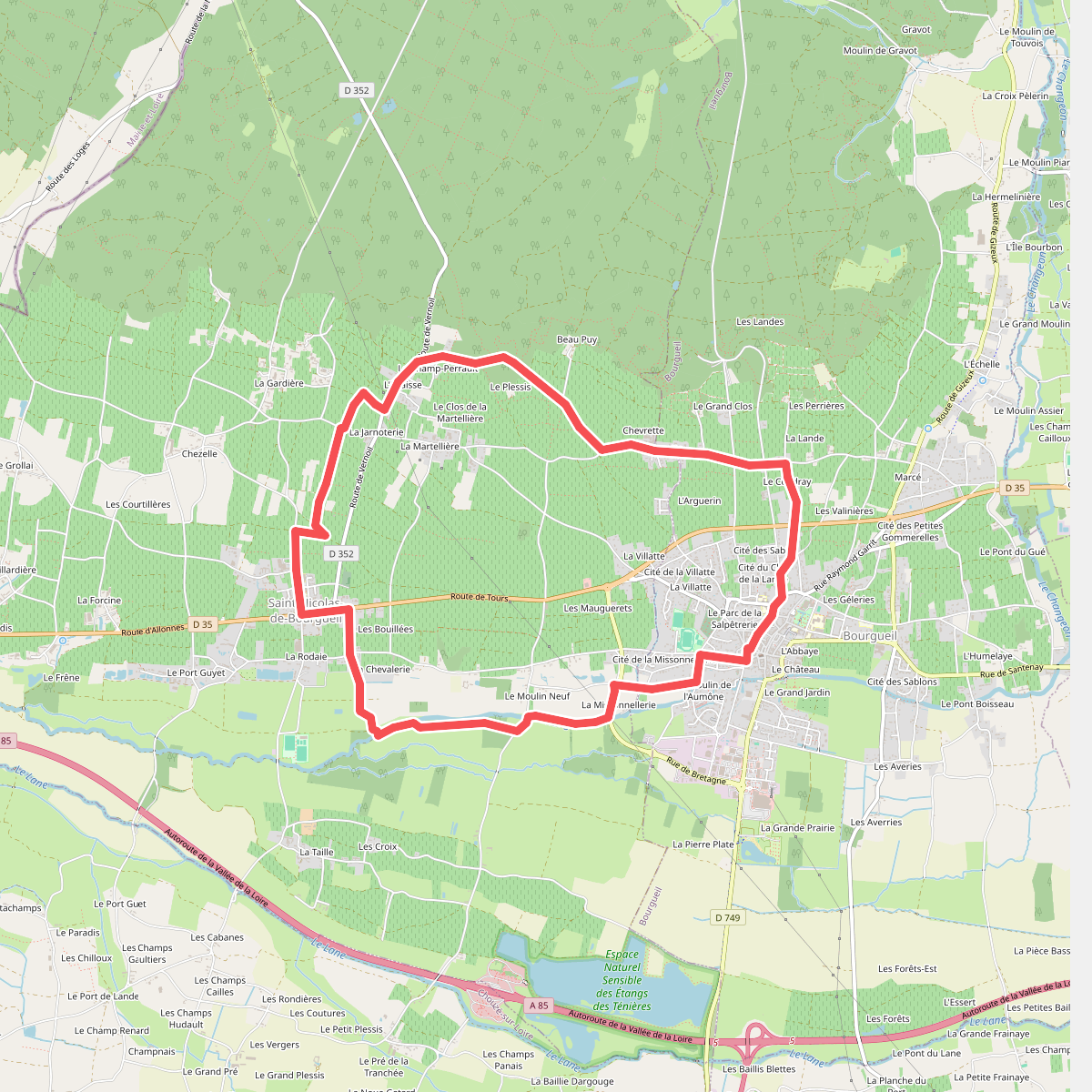
#9. Chevrette - Bourgueil – Saint-Nicolas-de-Bourgueil
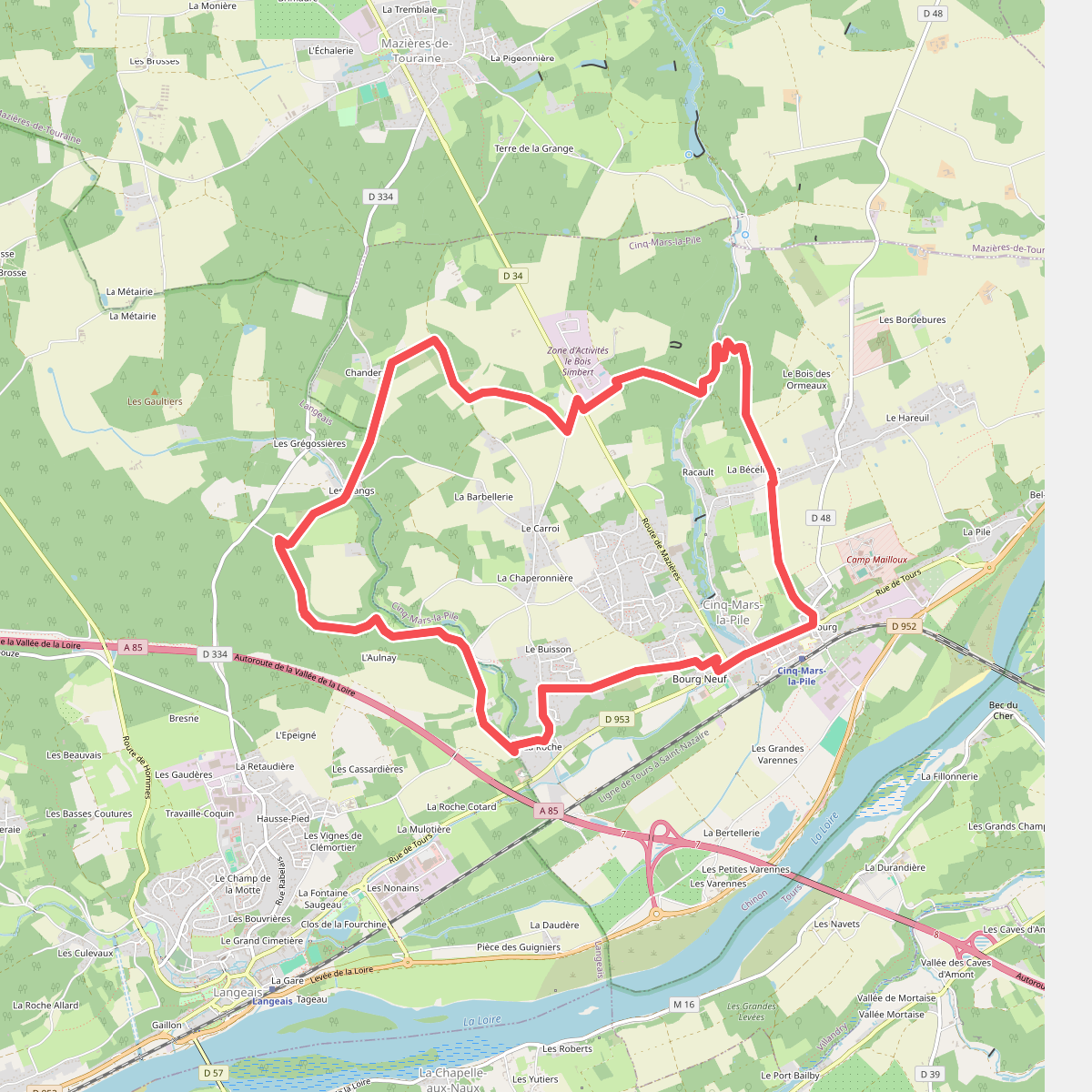
#10. Cinq-Mars-la-Pile - Circuit 2
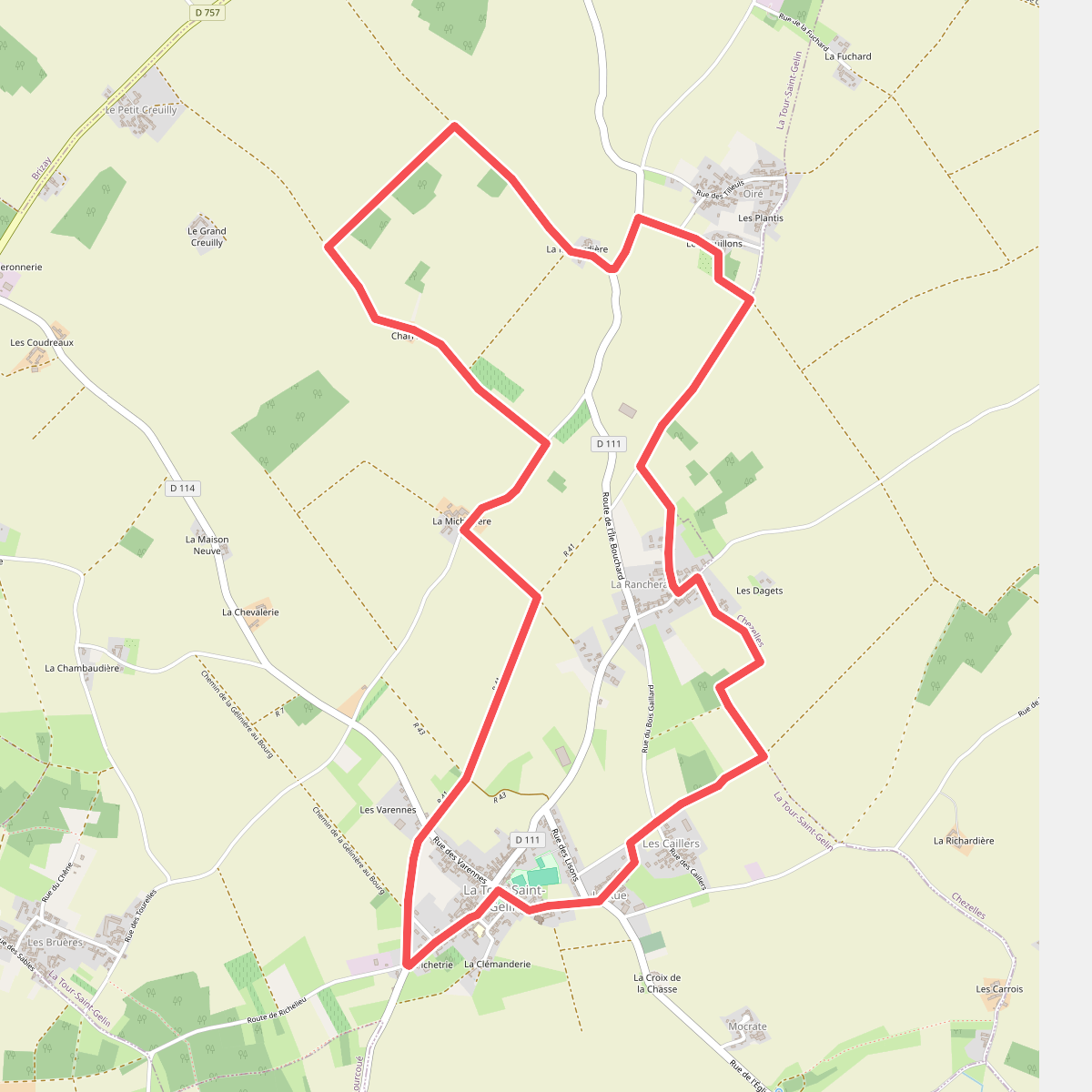
#11. Circuit 1