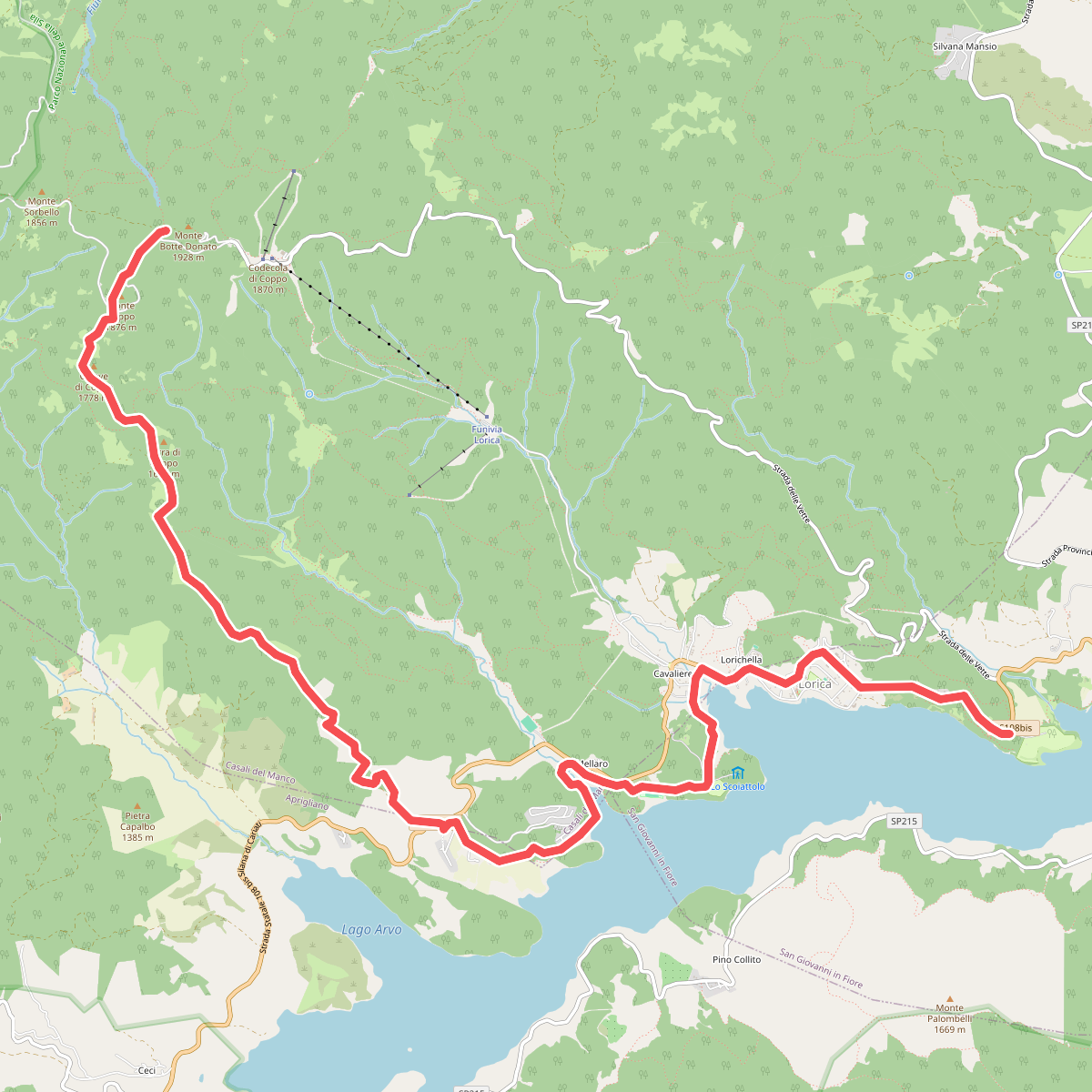


The best hiking routes in Parco Nazionale della Sila
Discover the best walks in Parco Nazionale della Sila. 7 routes on the map, with descriptions, photos and GPX.
About Parco Nazionale della Sila
Parco Nazionale della Sila offers a landscape of high-altitude plateaus, dense coniferous forests, and large artificial lakes that sets it apart from the rugged, limestone peaks found in other parts of the Apennines. Walkers will find a gently rolling highland terrain dominated by the tall, straight trunks of the Laricio pine, which creates a deep, shaded canopy. The forest floor is often covered in a thick carpet of pine needles, making the paths soft underfoot, though granite boulders and exposed roots require careful stepping. Unlike the dry, scrubby Mediterranean coast nearby, this park is characterized by its abundant water, with clear streams cutting through granite bedrock and feeding into expansive reservoirs like Lake Arvo and Lake Ampollino.
Read more
About Parco Nazionale della Sila
Parco Nazionale della Sila offers a landscape of high-altitude plateaus, dense coniferous forests, and large artificial lakes that sets it apart from the rugged, limestone peaks found in other parts of the Apennines. Walkers will find a gently rolling highland terrain dominated by the tall, straight trunks of the Laricio pine, which creates a deep, shaded canopy. The forest floor is often covered in a thick carpet of pine needles, making the paths soft underfoot, though granite boulders and exposed roots require careful stepping. Unlike the dry, scrubby Mediterranean coast nearby, this park is characterized by its abundant water, with clear streams cutting through granite bedrock and feeding into expansive reservoirs like Lake Arvo and Lake Ampollino.
Read moreParco Nazionale della Sila offers a landscape of high-altitude plateaus, dense coniferous forests, and large artificial lakes that sets it apart from the rugged, limestone peaks found in other parts of the Apennines. Walkers will find a gently rolling highland terrain dominated by the tall, straight trunks of the Laricio pine, which creates a deep, shaded canopy. The forest floor is often covered in a thick carpet of pine needles, making the paths soft underfoot, though granite boulders and exposed roots require careful stepping. Unlike the dry, scrubby Mediterranean coast nearby, this park is characterized by its abundant water, with clear streams cutting through granite bedrock and feeding into expansive reservoirs like Lake Arvo and Lake Ampollino.
As you walk, the transition between the dense pine woods and the open, grassy pastures of the plateau becomes the defining feature of the landscape. These open clearings have been used for seasonal livestock grazing for centuries, creating wide meadows that contrast sharply with the dark, enclosed forest tracks. In late spring, around May, these clearings fill with wildflowers, while the wetter depressions near the lake shores support peat bogs and damp grasslands where the soil becomes noticeably softer and more dark. The paths here are mostly wide dirt tracks and forestry roads, which are easy to follow but can feel gritty and stony on the higher ridges.
This national park is not a place for dramatic cliff scrambles or jagged mountain ridges. Instead, it suits those who prefer long, steady walks through deep woodland and quiet lakeside paths. While the areas immediately surrounding the main visitor centers and lake resorts attract more visitors, a short walk into the deeper pine forests of the Sila Grande or Sila Piccola quickly leads to much quieter, shaded trails where the sound of wind in the pines and running water dominates.
Hiking routes in Parco Nazionale della Sila (7)
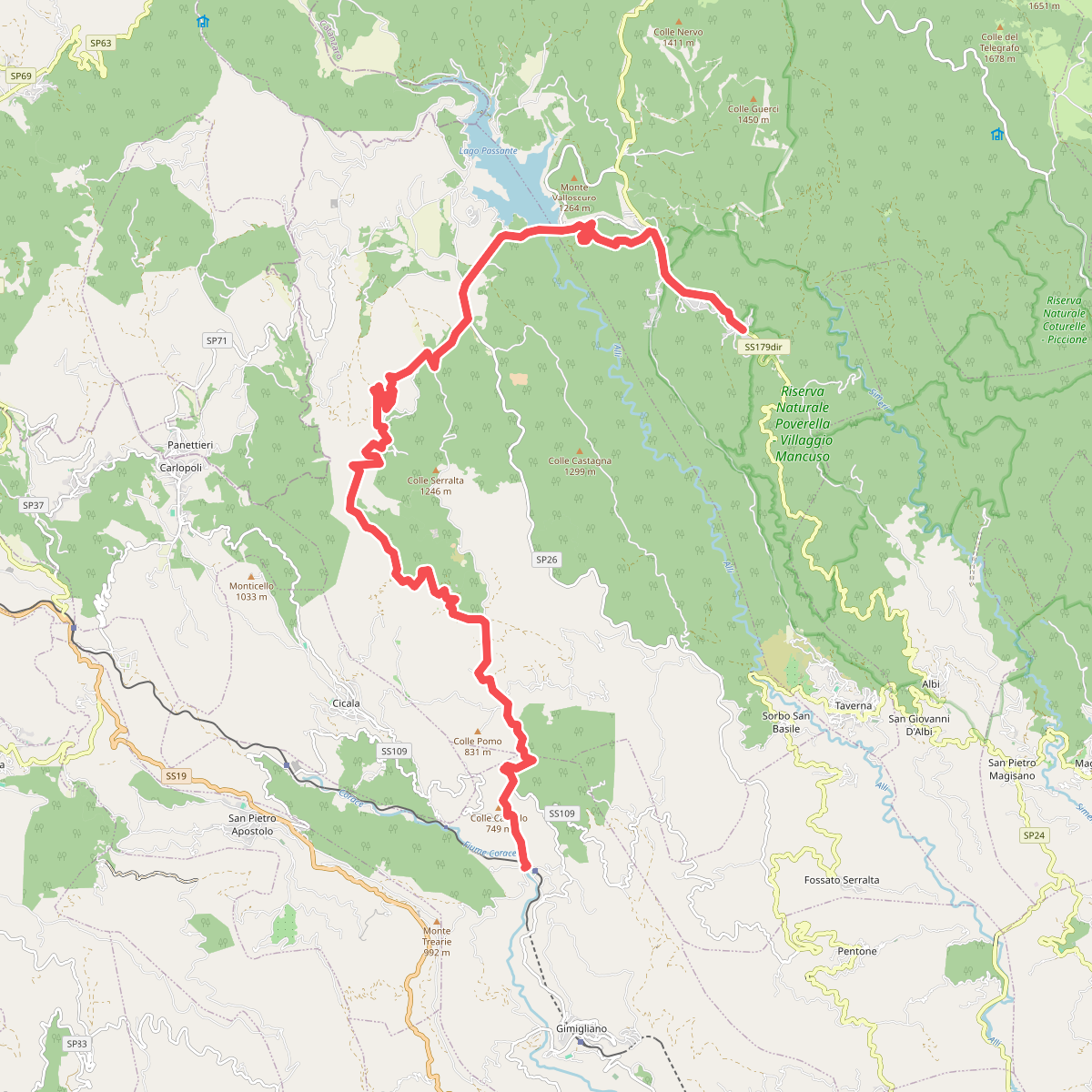
#1. Sentiero Italia · SI · SI
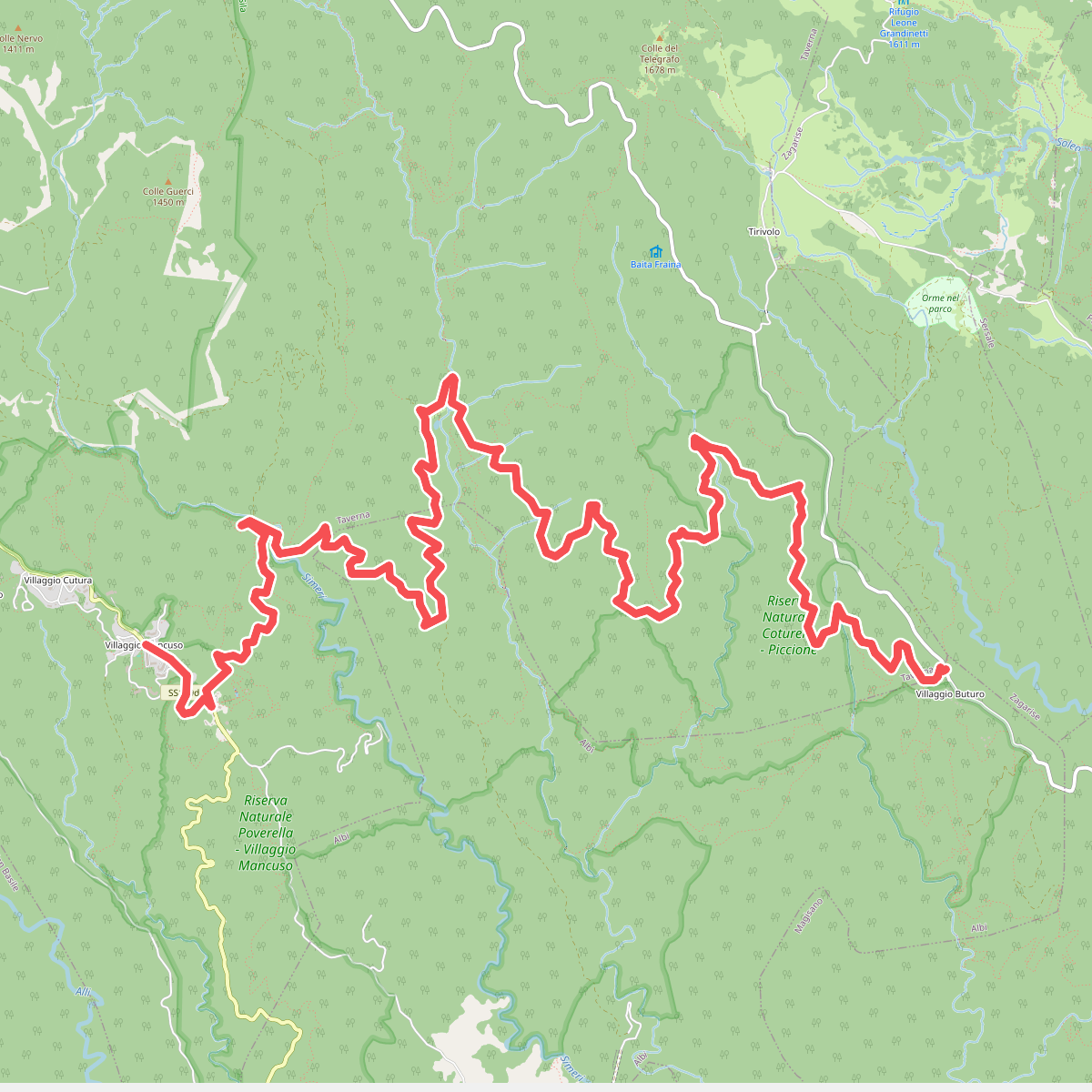
#2. Sentiero Italia · SI · SI
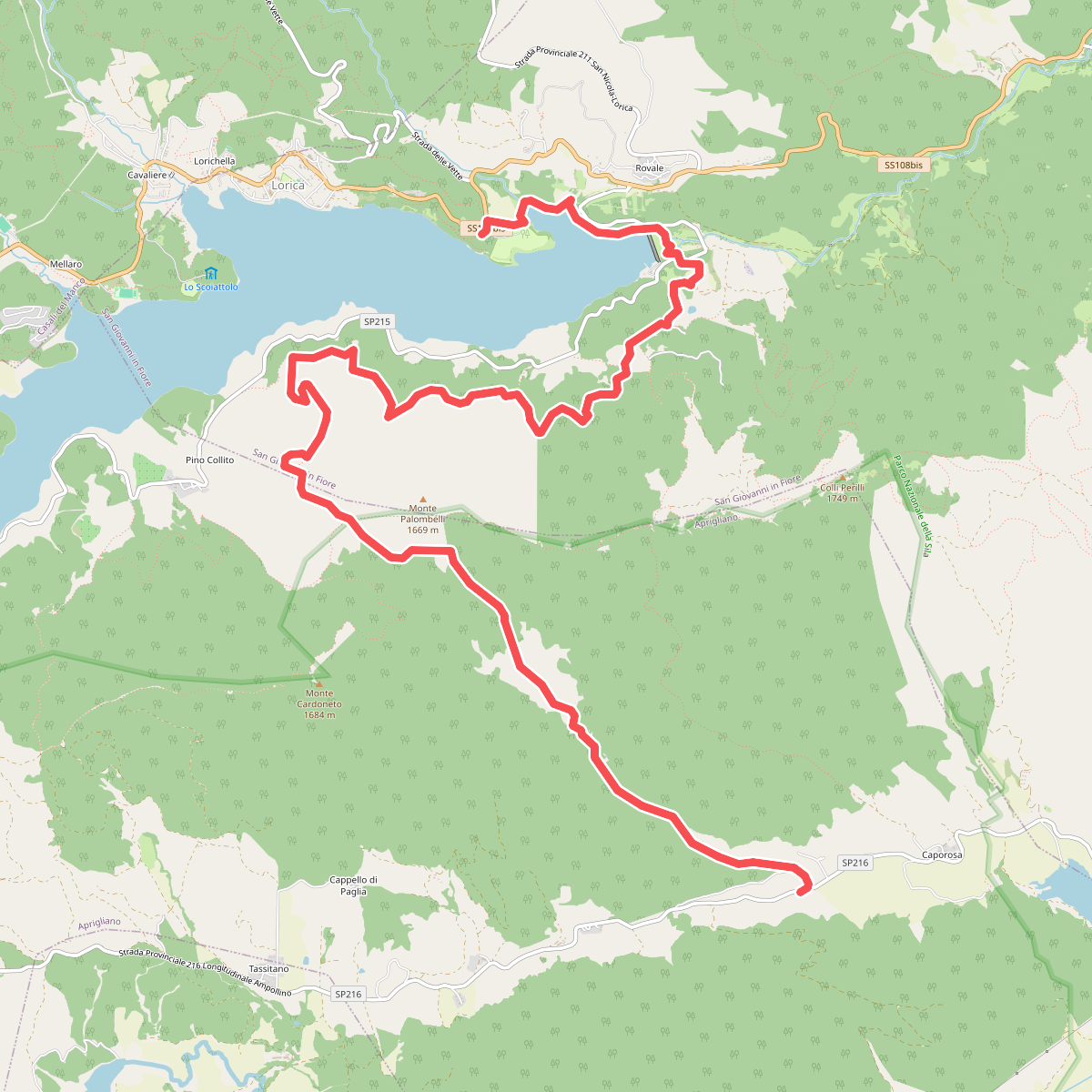
#3. Sentiero Italia · SI · SI
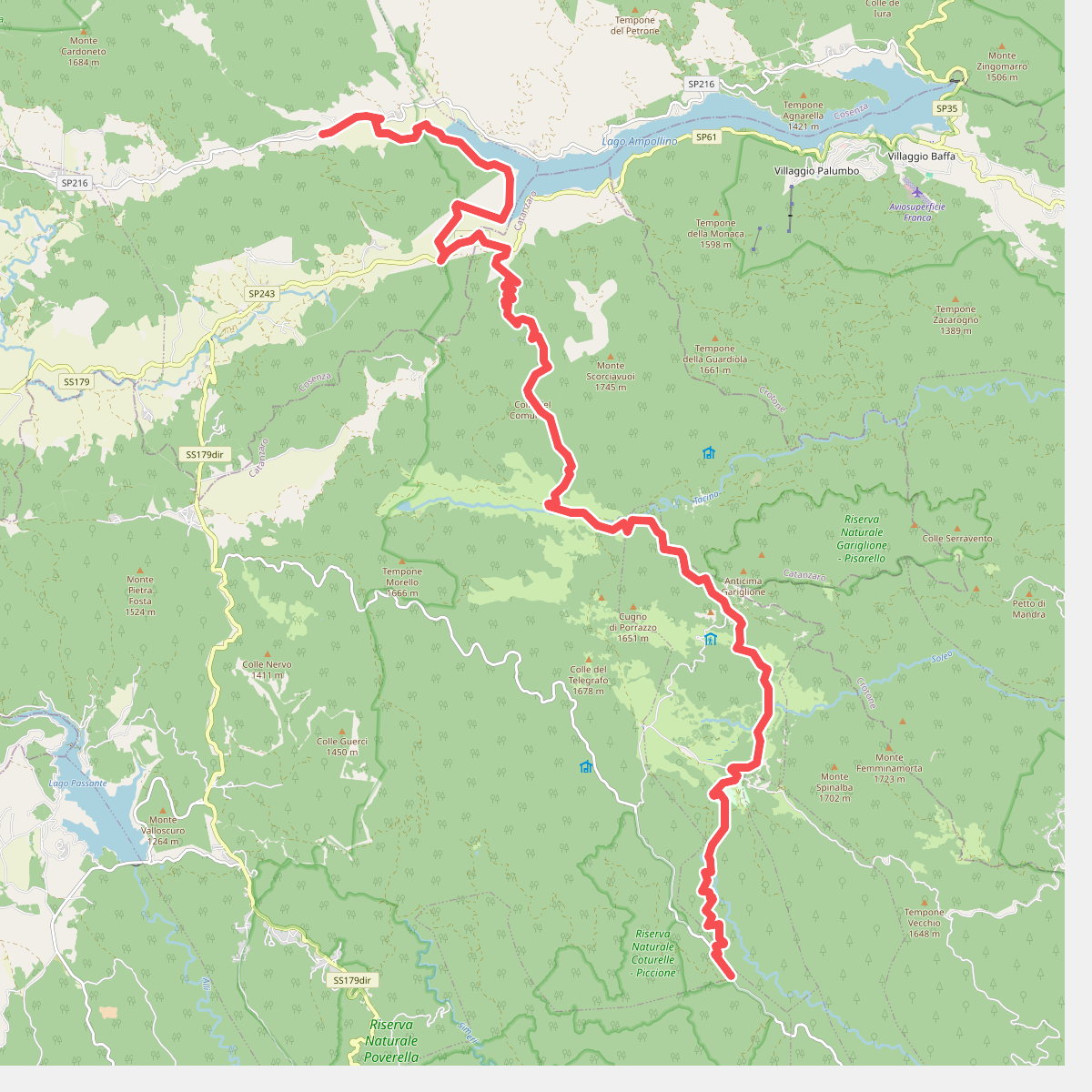
#4. Sentiero Italia · SI · SI
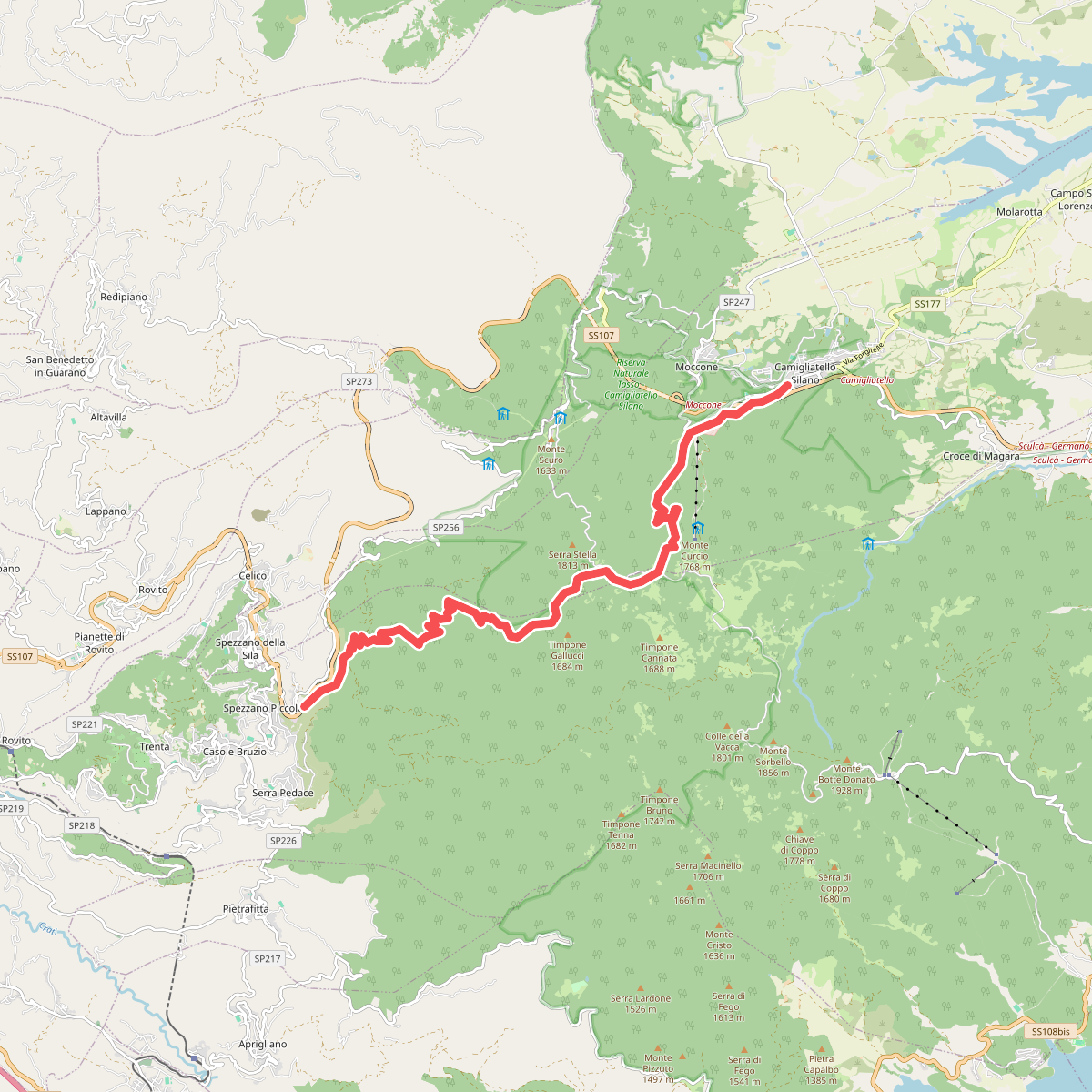
#5. Sentiero Italia · SI · SI
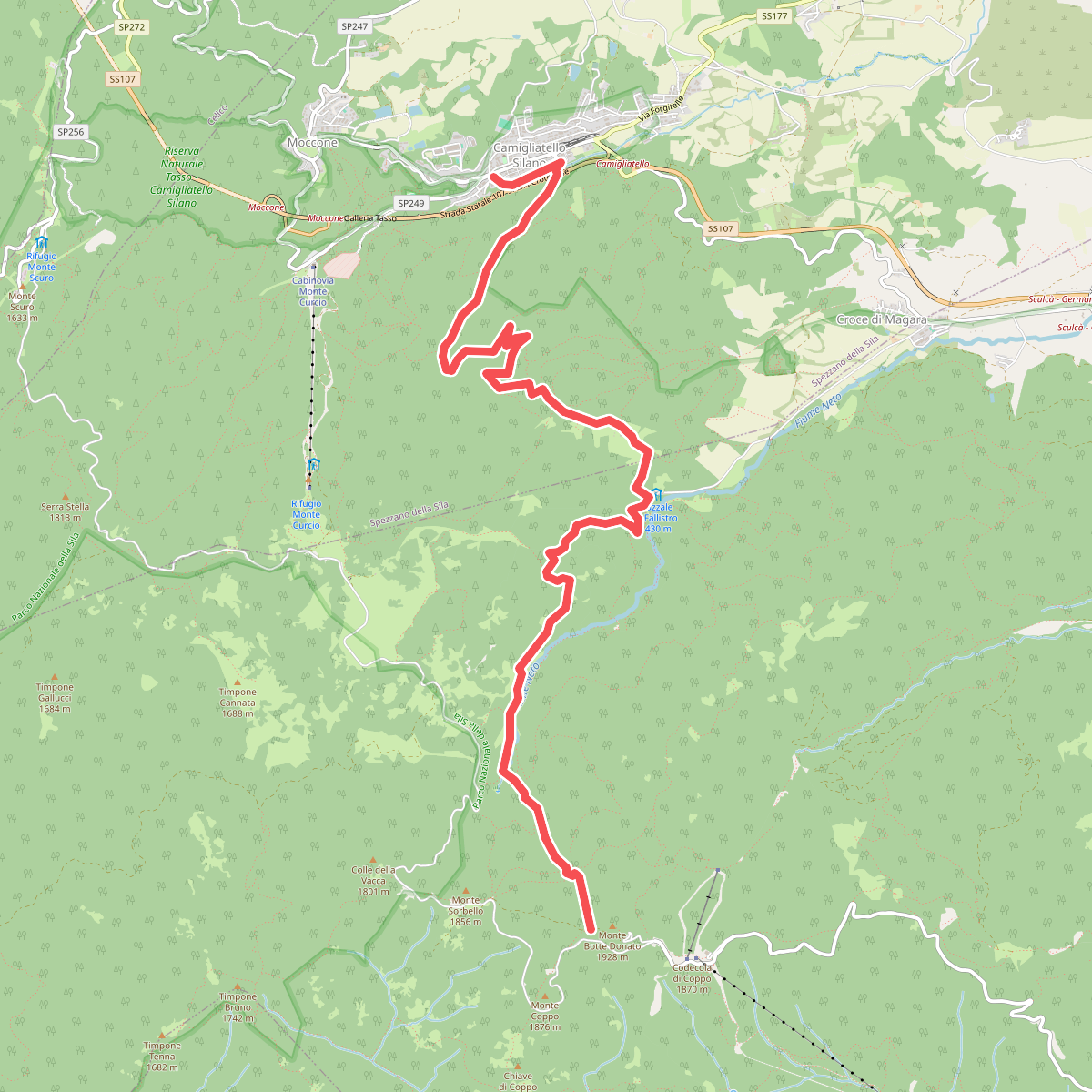
#6. Sentiero Italia · SI · SI