

The best hiking routes in Parque Natural de Sintra-Cascais
Discover the best walks in Parque Natural de Sintra-Cascais. 30 routes on the map, with descriptions, photos and GPX.
Managed by Instituto da Conservação da Natureza e das Florestas
About Parque Natural de Sintra-Cascais
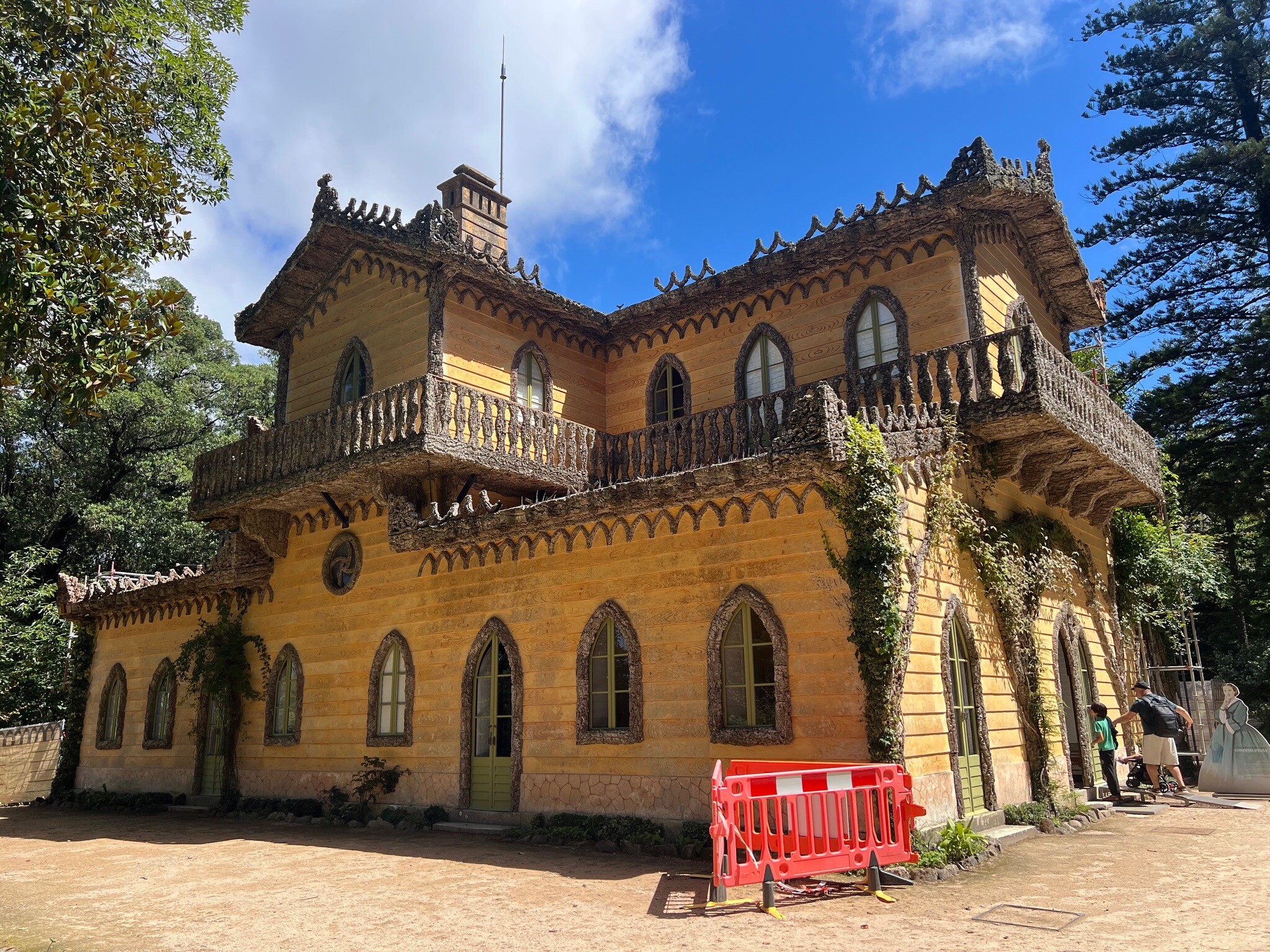
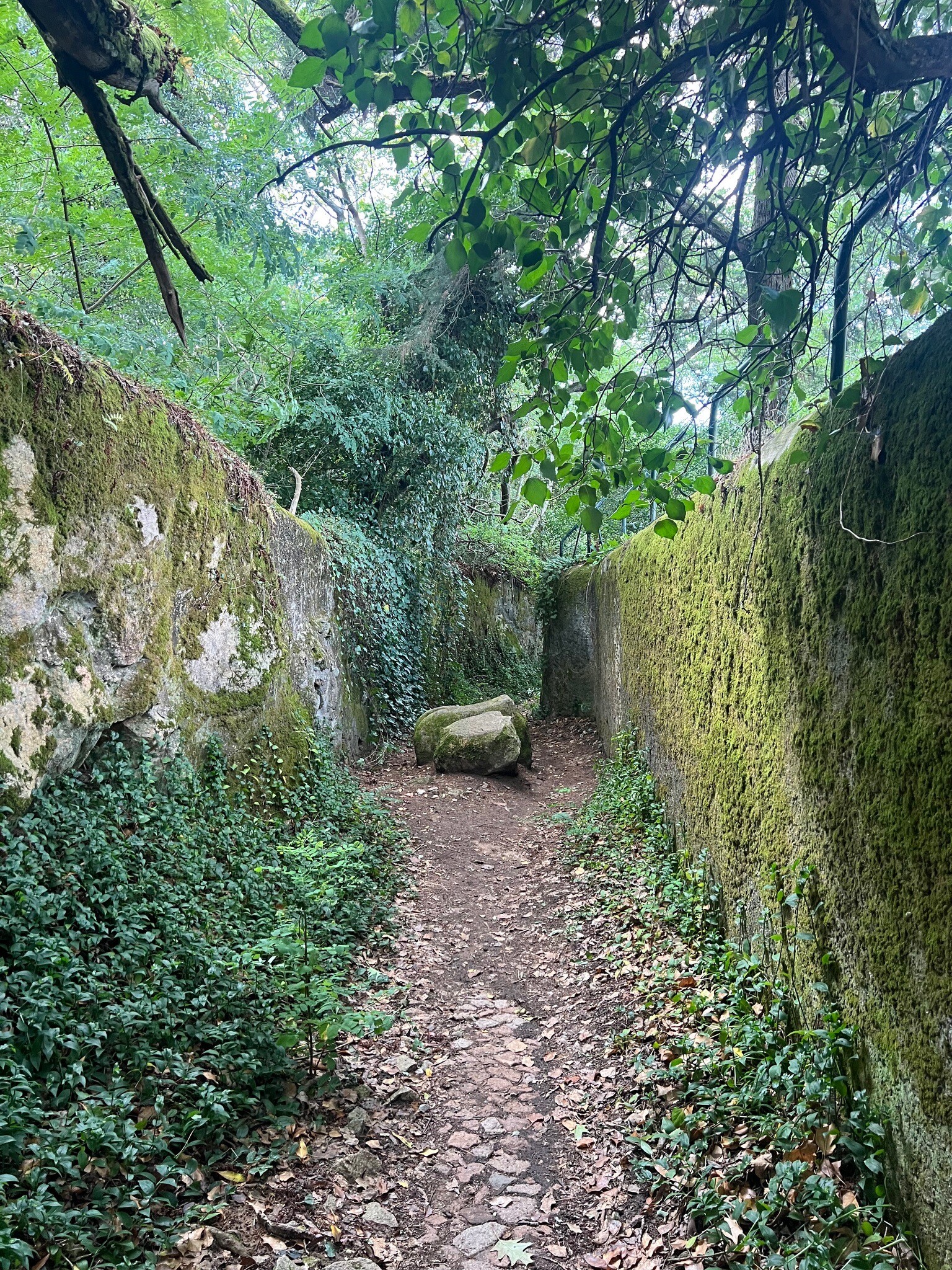
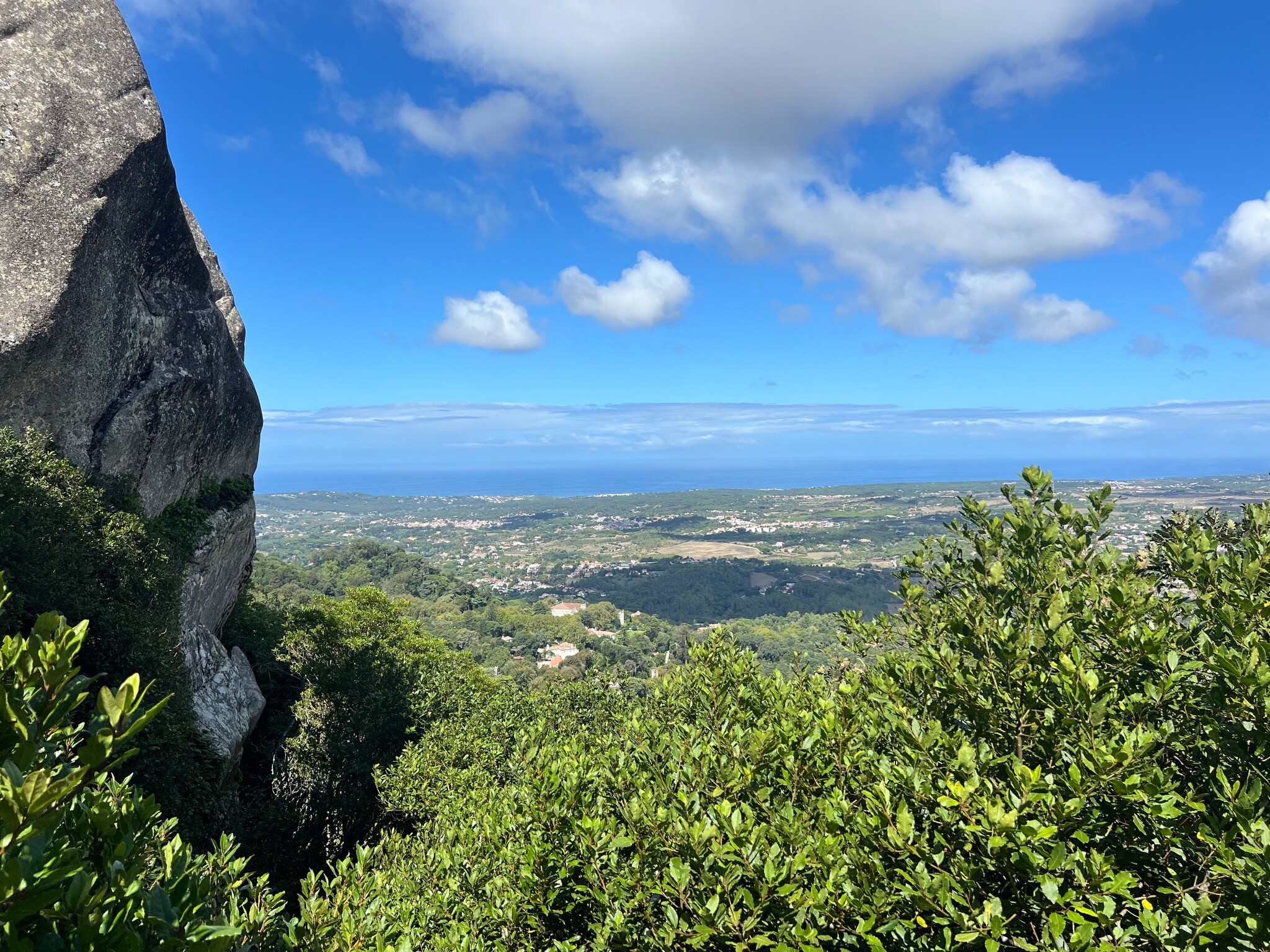
Parque Natural de Sintra-Cascais presents a stark division between two contrasting landscapes, dictated by the granite mass of the Sintra hills and the exposed Atlantic coastline. The northern, elevated section of the park is dominated by dense, humid woodlands where towering eucalyptus, pine, and oak trees grow alongside thick ferns and moss-covered boulders. Underfoot, paths here are typically damp, soft earth layered with leaf litter, occasionally turning into rocky, uneven tracks as you ascend toward the granite ridges. The microclimate created by the hills traps moisture, keeping this forested zone green and shaded.
Read more
About Parque Natural de Sintra-Cascais
Parque Natural de Sintra-Cascais presents a stark division between two contrasting landscapes, dictated by the granite mass of the Sintra hills and the exposed Atlantic coastline. The northern, elevated section of the park is dominated by dense, humid woodlands where towering eucalyptus, pine, and oak trees grow alongside thick ferns and moss-covered boulders. Underfoot, paths here are typically damp, soft earth layered with leaf litter, occasionally turning into rocky, uneven tracks as you ascend toward the granite ridges. The microclimate created by the hills traps moisture, keeping this forested zone green and shaded.
Read moreParque Natural de Sintra-Cascais presents a stark division between two contrasting landscapes, dictated by the granite mass of the Sintra hills and the exposed Atlantic coastline. The northern, elevated section of the park is dominated by dense, humid woodlands where towering eucalyptus, pine, and oak trees grow alongside thick ferns and moss-covered boulders. Underfoot, paths here are typically damp, soft earth layered with leaf litter, occasionally turning into rocky, uneven tracks as you ascend toward the granite ridges. The microclimate created by the hills traps moisture, keeping this forested zone green and shaded.
As you move south and west toward Cabo da Roca, the trees give way to low, wind-sheared scrub, coastal heath, and exposed limestone pavements. Here, the walking surface changes to hard-packed clay, loose gravel, and sandy tracks that trace the edge of high cliffs. The vegetation is sparse and resilient, consisting of succulents and hardy shrubs that cling to the rocky soil. This coastal strip is entirely open to the elements, offering no shade or shelter from the maritime winds.
This is not a wilderness of high mountain peaks or deep, isolated valleys, but rather a compressed landscape where manicured estate gardens and historic monuments sit directly alongside wild, rugged cliffs. The proximity to Lisbon means that well-known spots like the paths around Sintra town and Cabo da Roca are often busy with visitors, but the lesser-known coastal tracks and deep forest trails offer a much quieter walking experience. Walkers should expect steep, short climbs rather than long alpine ascents, with footing that transitions rapidly from muddy forest floor to dry, abrasive coastal rock.
Hiking routes in Parque Natural de Sintra-Cascais (30)
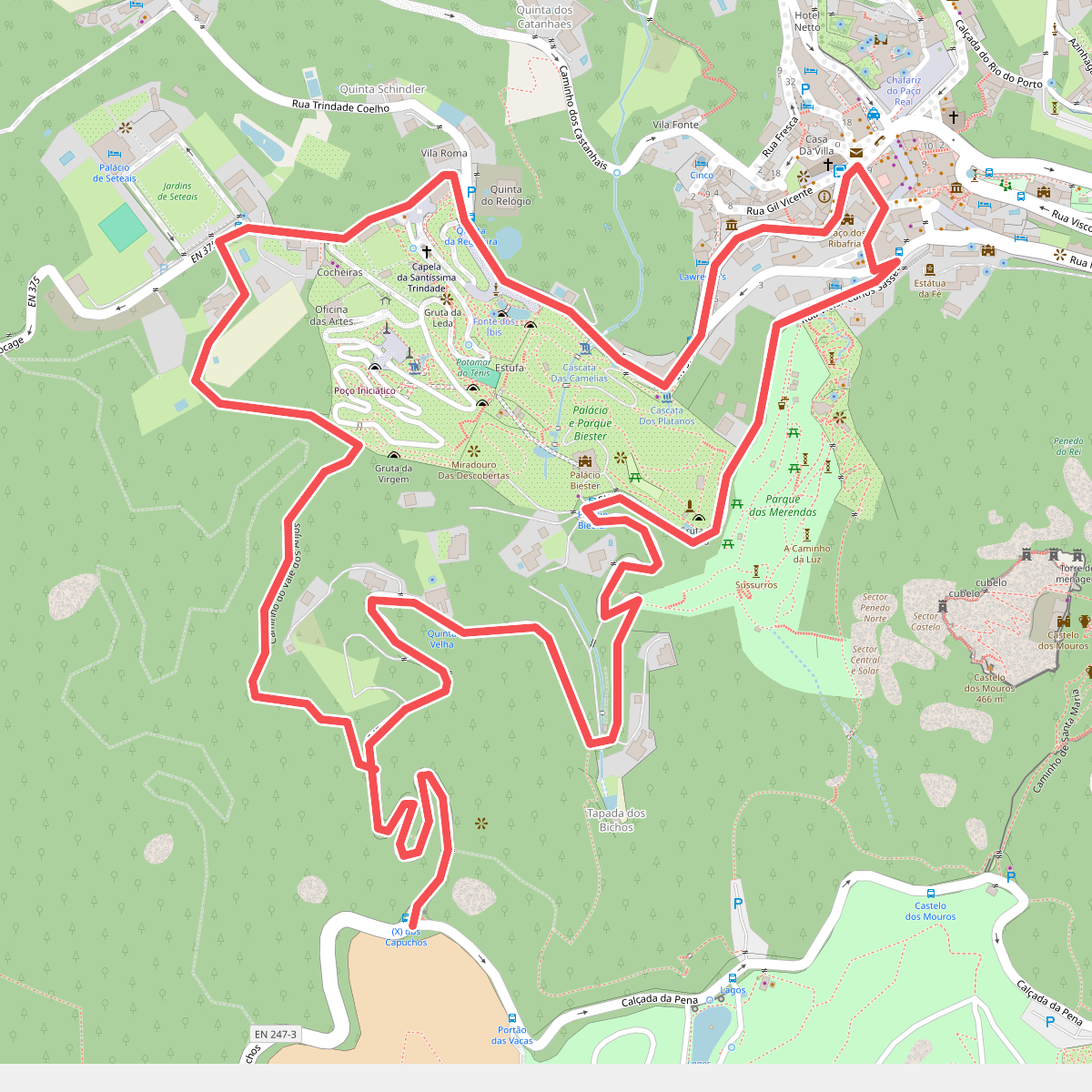
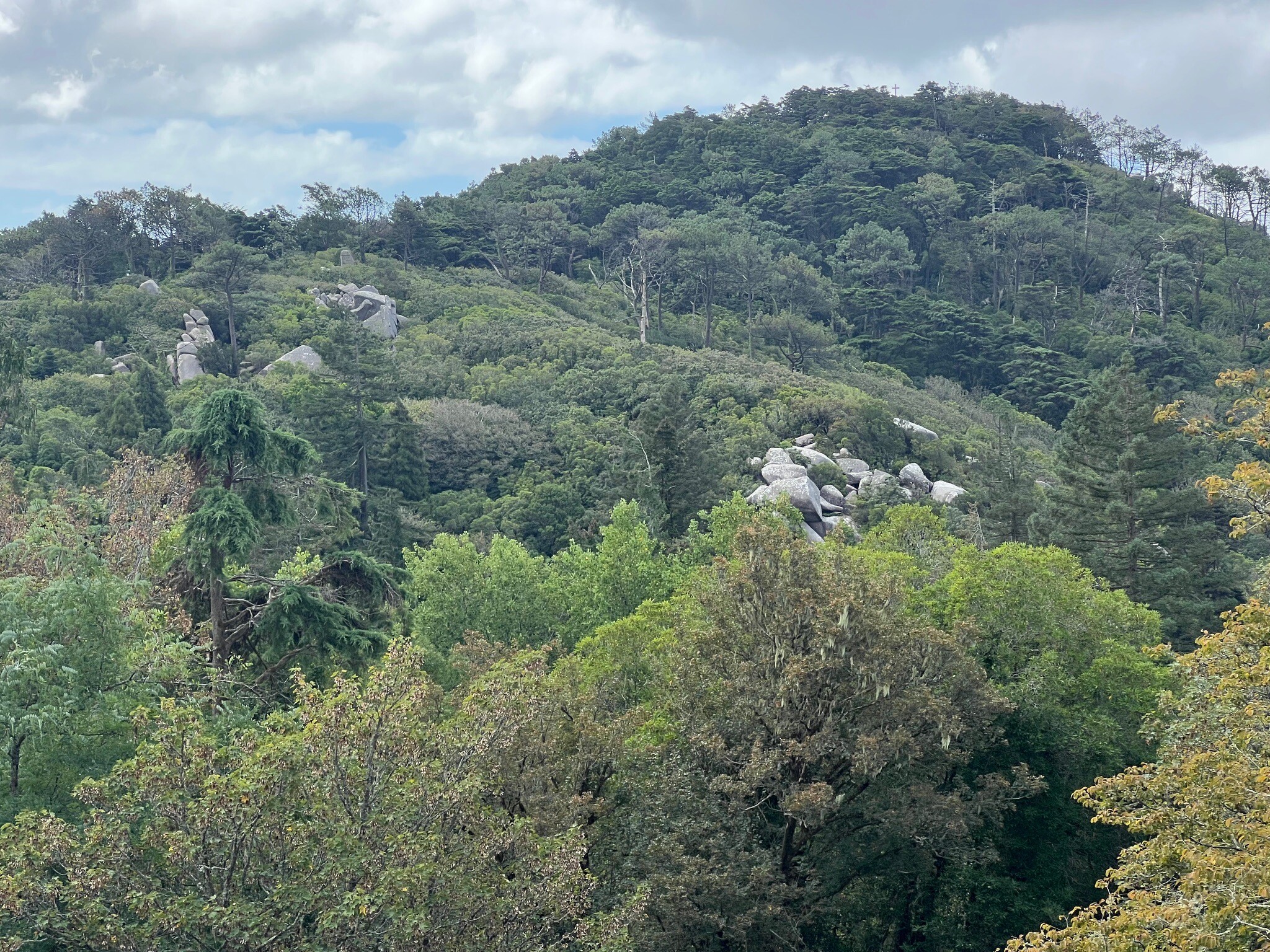
#1. Seteais

#2. Caminho do Atlântico (Troço Abano-Azoia)

#3. Caminho do Atlântico (Troço Adraga - Maçãs)

#4. Caminho do Atlântico (Troço Azoia-Adraga)

#5. Caminho do Atlântico (Troço Cabo Raso - Abano)

#6. Caminho do Atlântico (Troço Maçãs - Magoito)

#7. Caminho do Atlântico (Troço Magoito-Carvalhal)

#8. Pena

#9. Rota das Aldeias

#10. Rota das Quintas

#11. Rota do Cabo Raso