The best hiking routes in Parque Natural do Invernadeiro
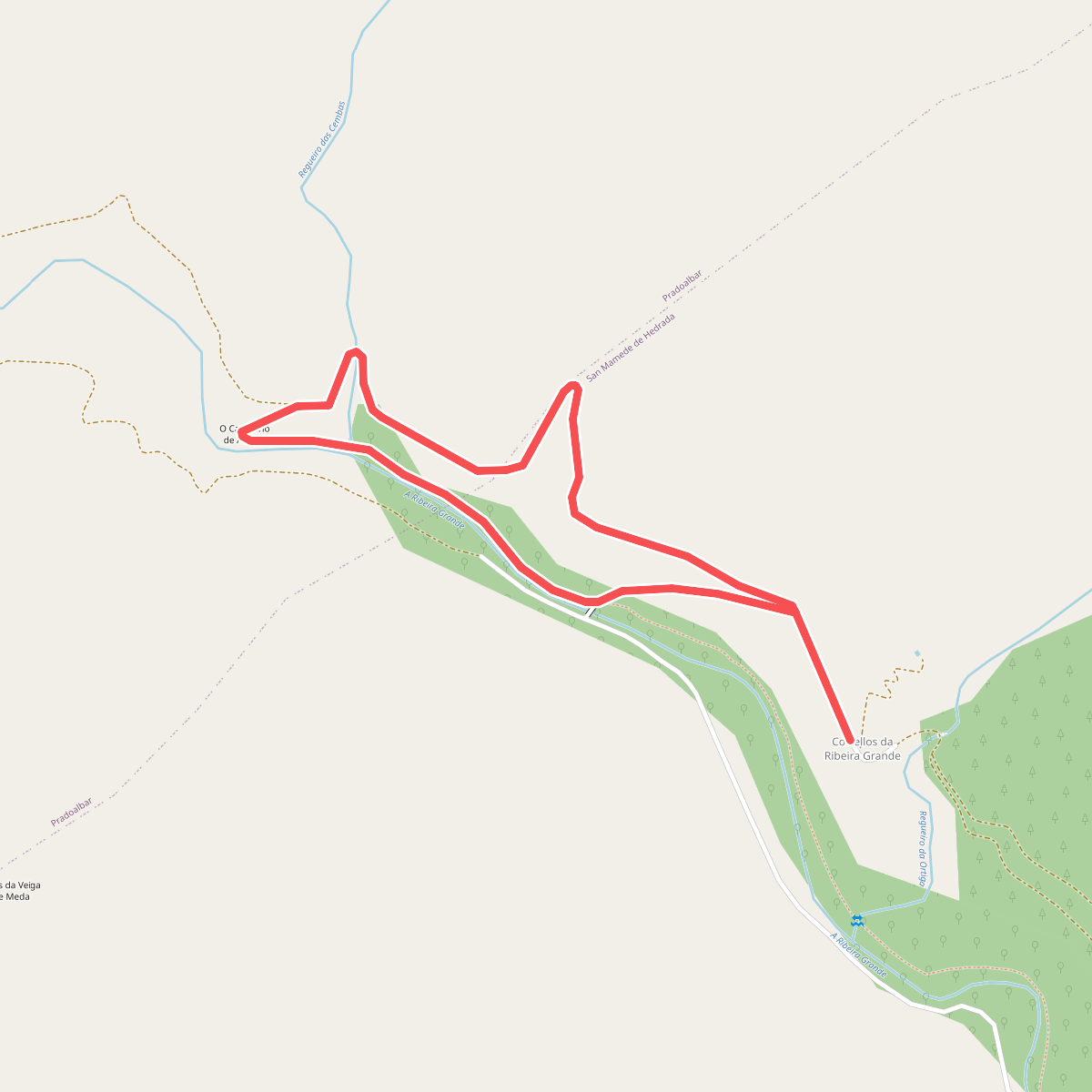
Discover the best walks in Parque Natural do Invernadeiro. 1 routes on the map, with descriptions, photos and GPX.
Managed by Xunta de Galicia
About Parque Natural do Invernadeiro
Parque Natural do Invernadeiro is a rugged, highly protected mountain reserve in Galicia, defined by deep, steep-sided river valleys and rounded granite summits. Unlike coastal Galicia, this inland area is dominated by dense oak forests on the lower slopes, which transition into open, rocky scrubland of heather and gorse as you climb. The landscape is shaped by the Ribeira Grande and Ribeira Pequena rivers, which have carved dramatic gorges through the ancient rock, leaving a terrain of sharp elevation changes.
Read more
About Parque Natural do Invernadeiro
Parque Natural do Invernadeiro is a rugged, highly protected mountain reserve in Galicia, defined by deep, steep-sided river valleys and rounded granite summits. Unlike coastal Galicia, this inland area is dominated by dense oak forests on the lower slopes, which transition into open, rocky scrubland of heather and gorse as you climb. The landscape is shaped by the Ribeira Grande and Ribeira Pequena rivers, which have carved dramatic gorges through the ancient rock, leaving a terrain of sharp elevation changes.
Read moreParque Natural do Invernadeiro is a rugged, highly protected mountain reserve in Galicia, defined by deep, steep-sided river valleys and rounded granite summits. Unlike coastal Galicia, this inland area is dominated by dense oak forests on the lower slopes, which transition into open, rocky scrubland of heather and gorse as you climb. The landscape is shaped by the Ribeira Grande and Ribeira Pequena rivers, which have carved dramatic gorges through the ancient rock, leaving a terrain of sharp elevation changes.
Walking here requires advance planning, as the regional government limits daily visitor numbers and requires a permit. The trails are mostly rough, stony forestry tracks and steep, unpaved mountain paths rather than manicured boardwalks. Underfoot, you will encounter loose shale, granite grit, and damp leaf litter under the forest canopy. There are no villages, roads, or shops inside the park boundaries, offering a stark, silent landscape where the main features are the sheer rock faces, waterfalls, and the transition from dark river valleys to exposed, windy ridges.
This reserve is not a place for gentle, flat strolls or panoramic coastal views. It is a demanding mountain environment where the climbs are long and the terrain is consistently steep. In October and November, the deciduous canopy turns deep orange and yellow, while the high ridges remain grey and exposed. If you choose to walk here, expect physical exertion on rocky ground and a landscape dominated by deep valleys and high, silent crags.