

The best hiking routes in Natura 2000 Nord-Ouest Sologne
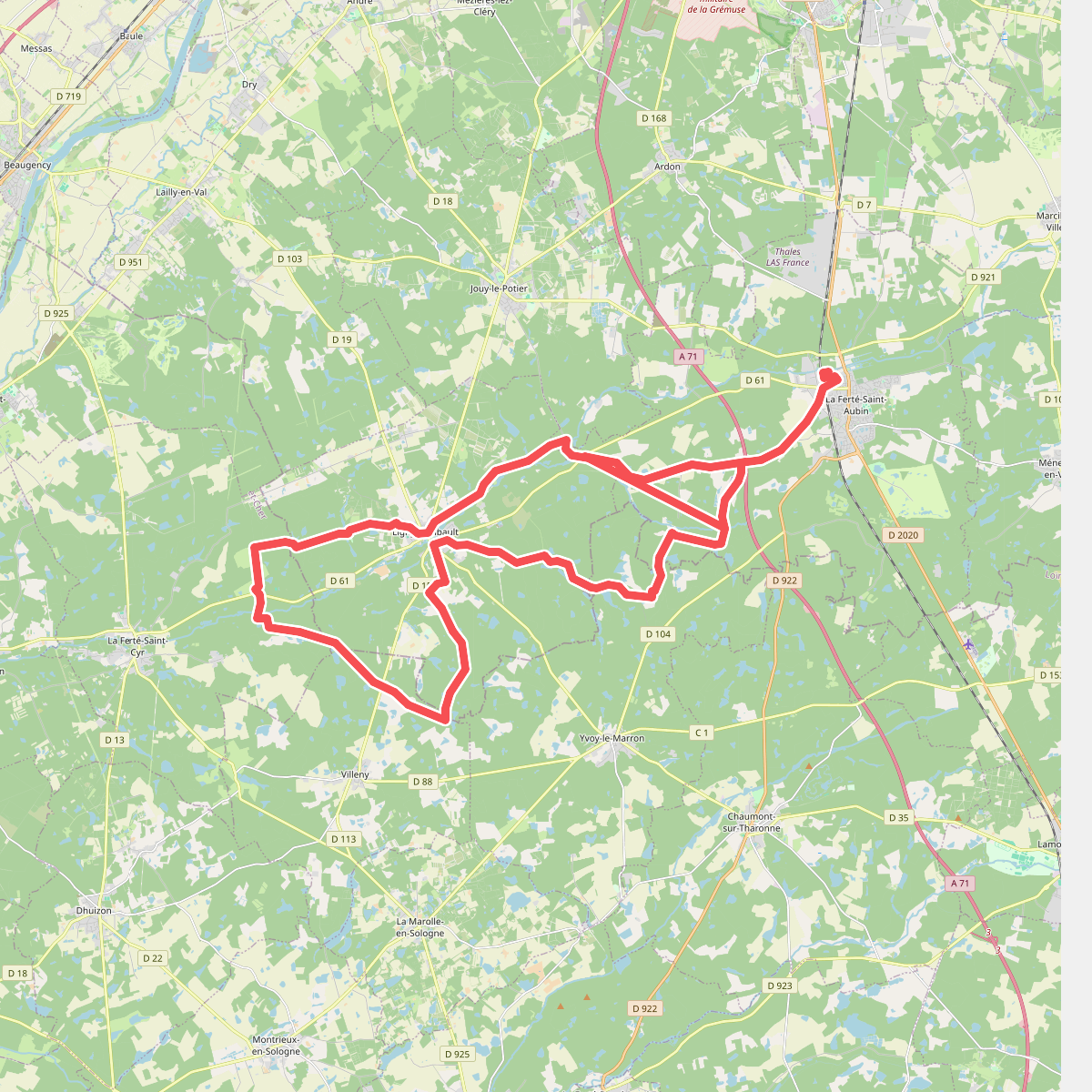
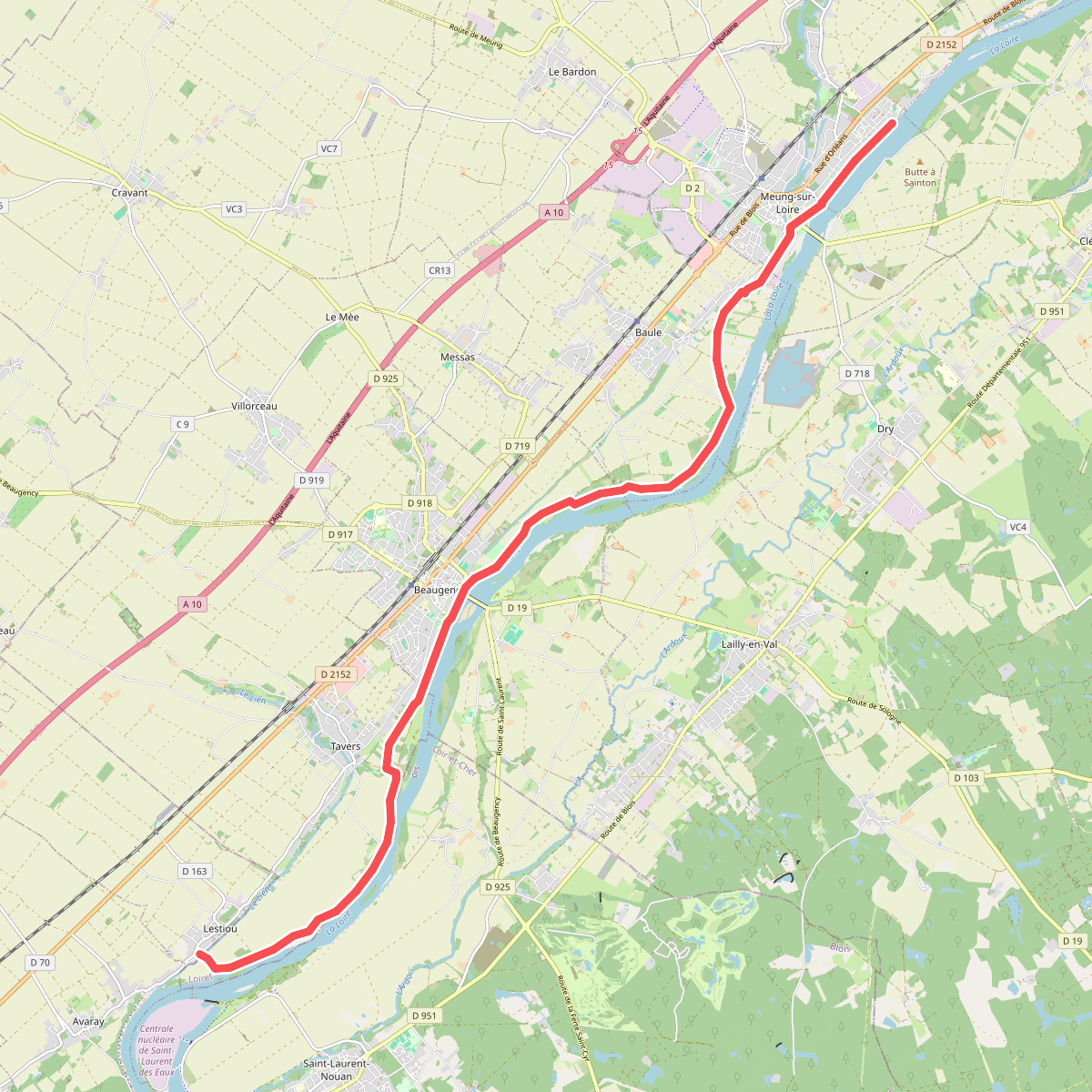
Discover the best walks in Natura 2000 Nord-Ouest Sologne. 2 routes on the map, with descriptions, photos and GPX.
About Natura 2000 Nord-Ouest Sologne
The Natura 2000 Nord-Ouest Sologne offers a flat, waterlogged landscape dominated by a mosaic of damp pine forests, oak groves, and shallow ponds. Unlike the drier, agricultural plains nearby, this area is defined by its poor, acidic soils which have prevented intensive farming. Walkers will notice how the terrain shifts between damp clay paths that collect water and sandy tracks running along low ridges. It is a quiet, low-lying environment where the presence of water is constant, visible in the drainage ditches and the reed beds lining the pond edges.
Read more
About Natura 2000 Nord-Ouest Sologne
The Natura 2000 Nord-Ouest Sologne offers a flat, waterlogged landscape dominated by a mosaic of damp pine forests, oak groves, and shallow ponds. Unlike the drier, agricultural plains nearby, this area is defined by its poor, acidic soils which have prevented intensive farming. Walkers will notice how the terrain shifts between damp clay paths that collect water and sandy tracks running along low ridges. It is a quiet, low-lying environment where the presence of water is constant, visible in the drainage ditches and the reed beds lining the pond edges.
Read moreThe Natura 2000 Nord-Ouest Sologne offers a flat, waterlogged landscape dominated by a mosaic of damp pine forests, oak groves, and shallow ponds. Unlike the drier, agricultural plains nearby, this area is defined by its poor, acidic soils which have prevented intensive farming. Walkers will notice how the terrain shifts between damp clay paths that collect water and sandy tracks running along low ridges. It is a quiet, low-lying environment where the presence of water is constant, visible in the drainage ditches and the reed beds lining the pond edges.
Underfoot, the paths are mostly unpaved, transitioning from soft sand to damp earth. You will not find steep climbs or dramatic viewpoints here; the landscape is gently rolling and enclosed by dense woodland. The vegetation tells the story of the soil, with heather and gorse growing where the sand is deepest, while birch and willow take over in the wetter depressions. In late summer, around August, the purple heather blooms across the open clearings, contrasting with the dark green of the Scots pines.
Choosing a route here means deciding between the shaded forest tracks and the more open paths that skirt the edges of the larger étangs. The area is generally quiet, though the tracks near the more accessible ponds can see more foot traffic. It is a place for slow, observant walking, where the interest lies in the subtle changes in forest density and the sudden openings onto quiet, reed-fringed waters.