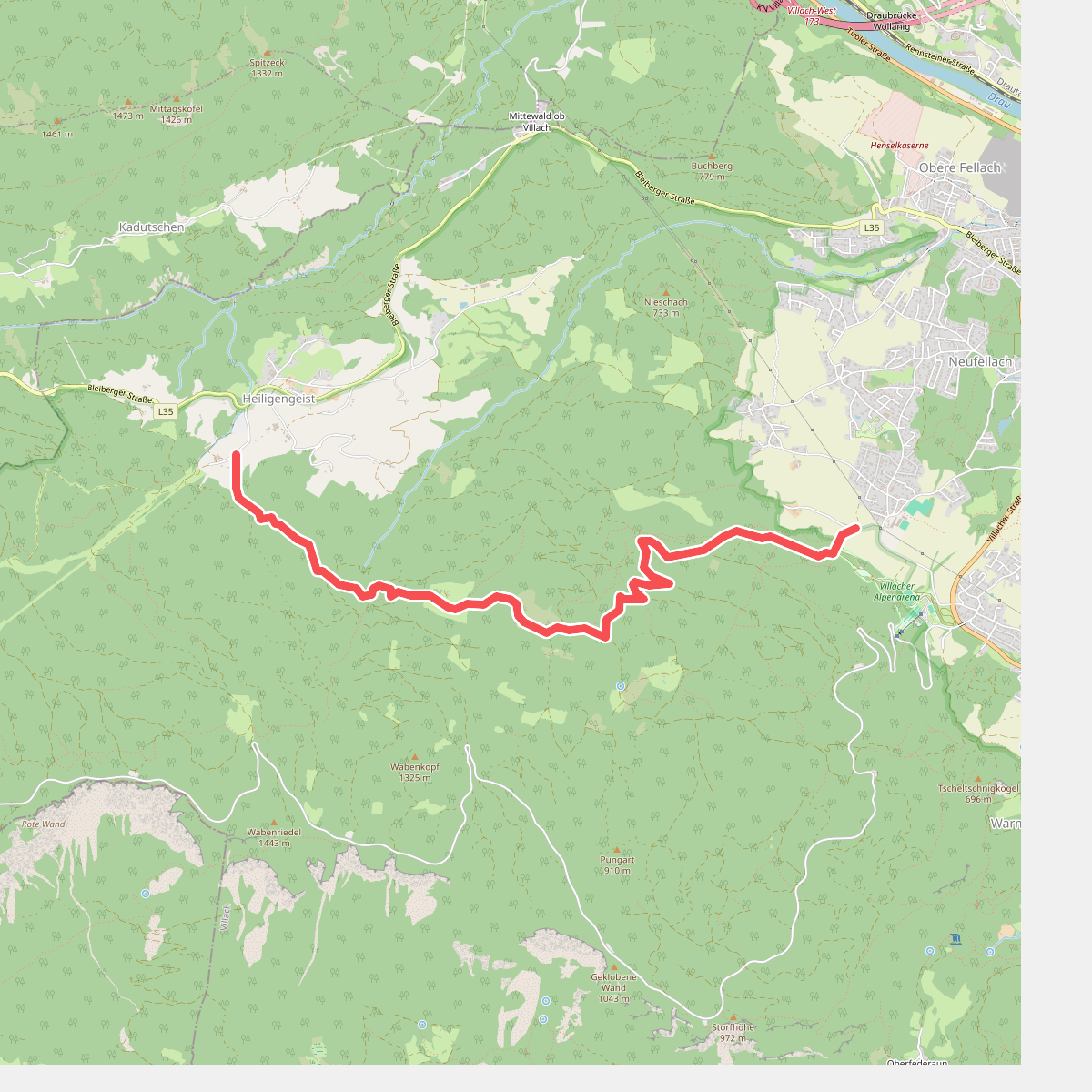
The best hiking routes in Naturpark Dobratsch
Discover the best walks in Naturpark Dobratsch. 25 routes on the map, with descriptions, photos and GPX.
About Naturpark Dobratsch
Naturpark Dobratsch is defined by a massive limestone massif that stands out from the surrounding valleys. Unlike other alpine areas, this park does not feature jagged, inaccessible peaks or deep, narrow gorges. Instead, walkers encounter a vast, high-altitude karst plateau characterized by sinkholes, sparse pine forests, and wide alpine pastures. The southern flank of the mountain is marked by the Rote Wand, a sheer red cliff face created by a historic landslide, which is highly visible from the lower trails.
Read more
About Naturpark Dobratsch
Naturpark Dobratsch is defined by a massive limestone massif that stands out from the surrounding valleys. Unlike other alpine areas, this park does not feature jagged, inaccessible peaks or deep, narrow gorges. Instead, walkers encounter a vast, high-altitude karst plateau characterized by sinkholes, sparse pine forests, and wide alpine pastures. The southern flank of the mountain is marked by the Rote Wand, a sheer red cliff face created by a historic landslide, which is highly visible from the lower trails.
Read moreNaturpark Dobratsch is defined by a massive limestone massif that stands out from the surrounding valleys. Unlike other alpine areas, this park does not feature jagged, inaccessible peaks or deep, narrow gorges. Instead, walkers encounter a vast, high-altitude karst plateau characterized by sinkholes, sparse pine forests, and wide alpine pastures. The southern flank of the mountain is marked by the Rote Wand, a sheer red cliff face created by a historic landslide, which is highly visible from the lower trails.
Underfoot, the terrain consists primarily of gravelly limestone tracks, stony mountain paths, and sections of alpine meadow. The ground is naturally porous, meaning you will find very little standing surface water, streams, or bogs on the upper plateau. The vegetation adapts to this dry environment, with hardy mountain pines and alpine wildflowers dominating the limestone pavement.
In June, the meadows on the higher slopes bloom with specialized alpine flora, making this the best time to observe the botanical diversity of the karst landscape. The lower, forested access routes tend to be busier, especially around the designated parking areas along the Villach Alpine Road, while the higher walking tracks toward the summit offer a more open, quiet environment.
Hiking routes in Naturpark Dobratsch (25)
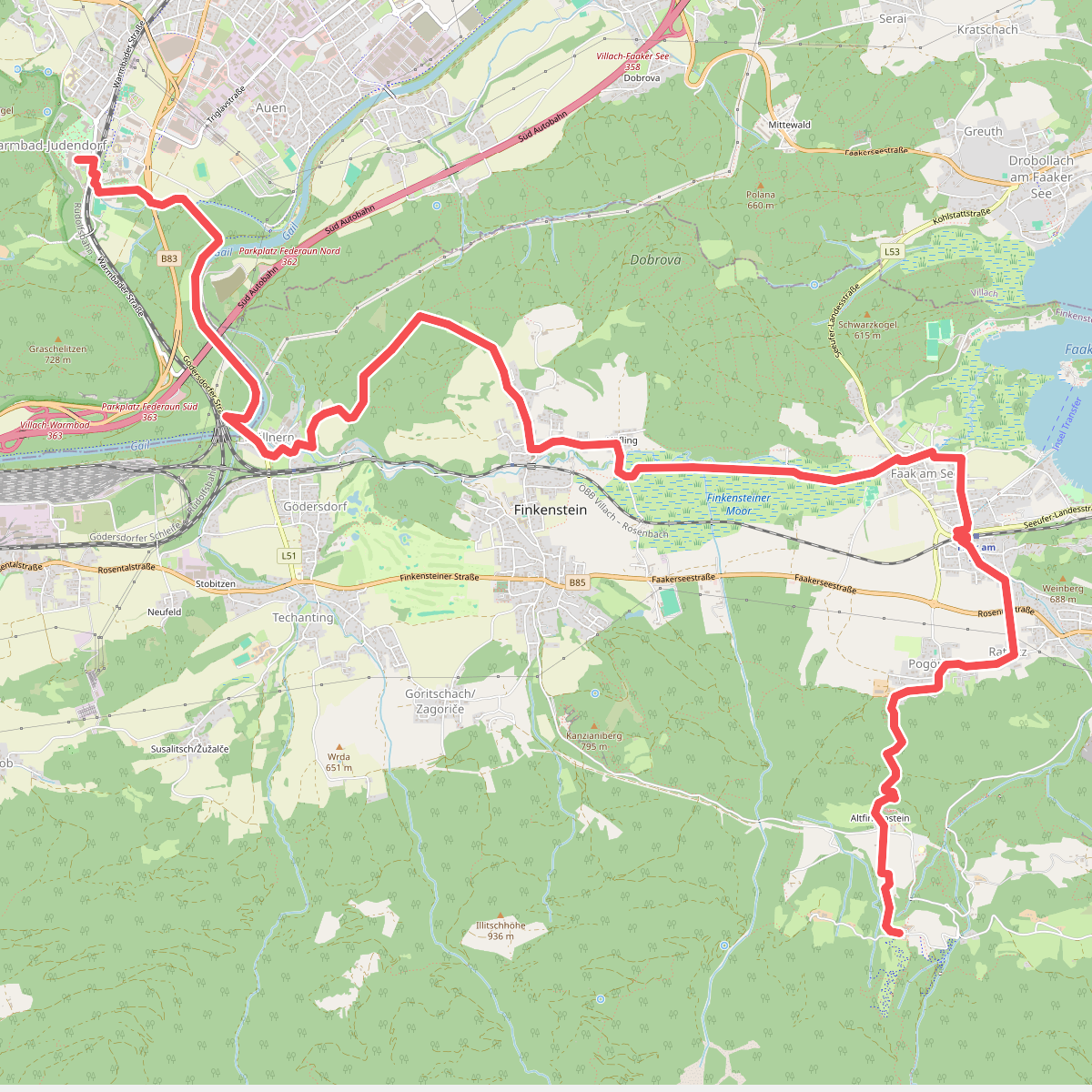
#1. Alpe Adria Trail R1
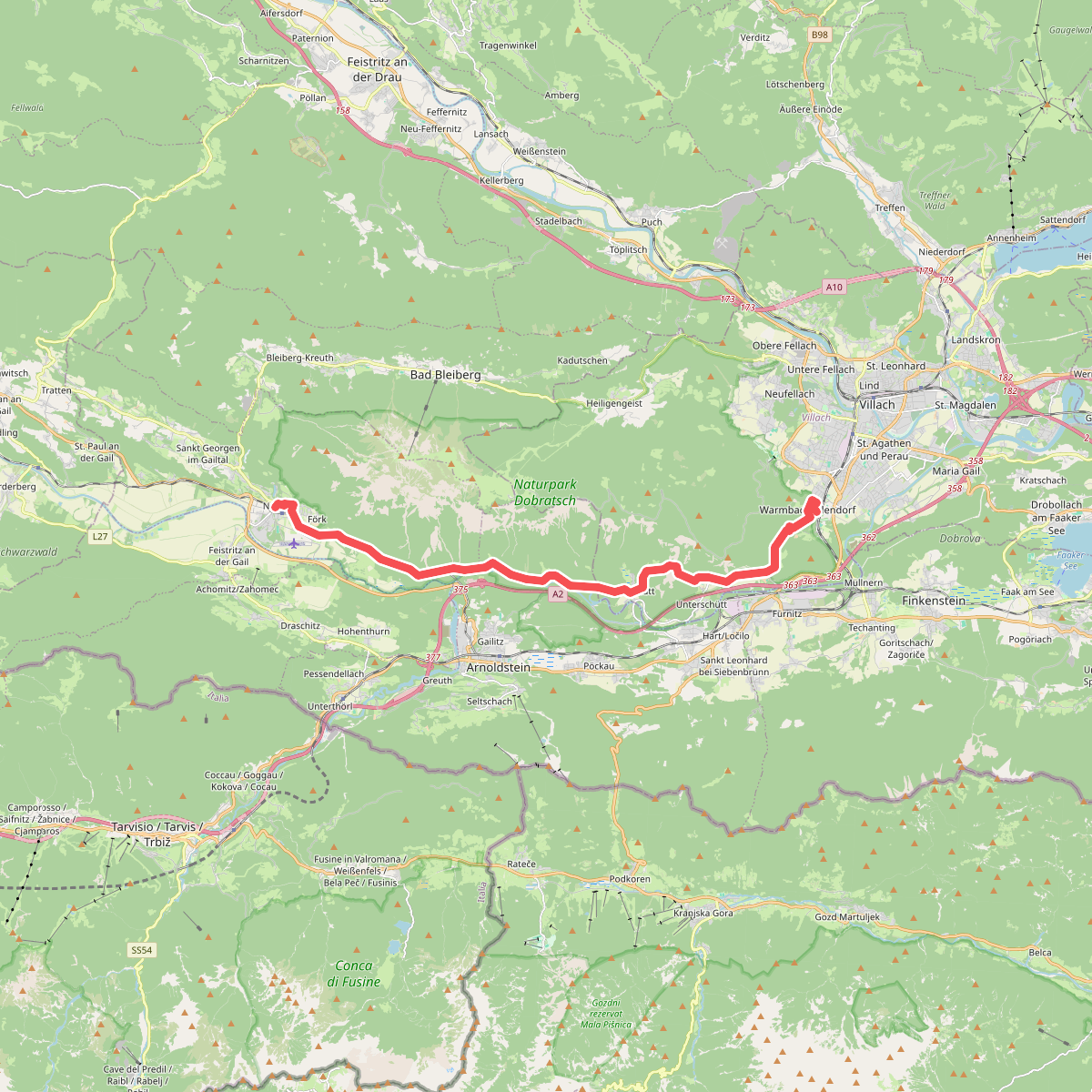
#2. Alpe Adria Trail R2
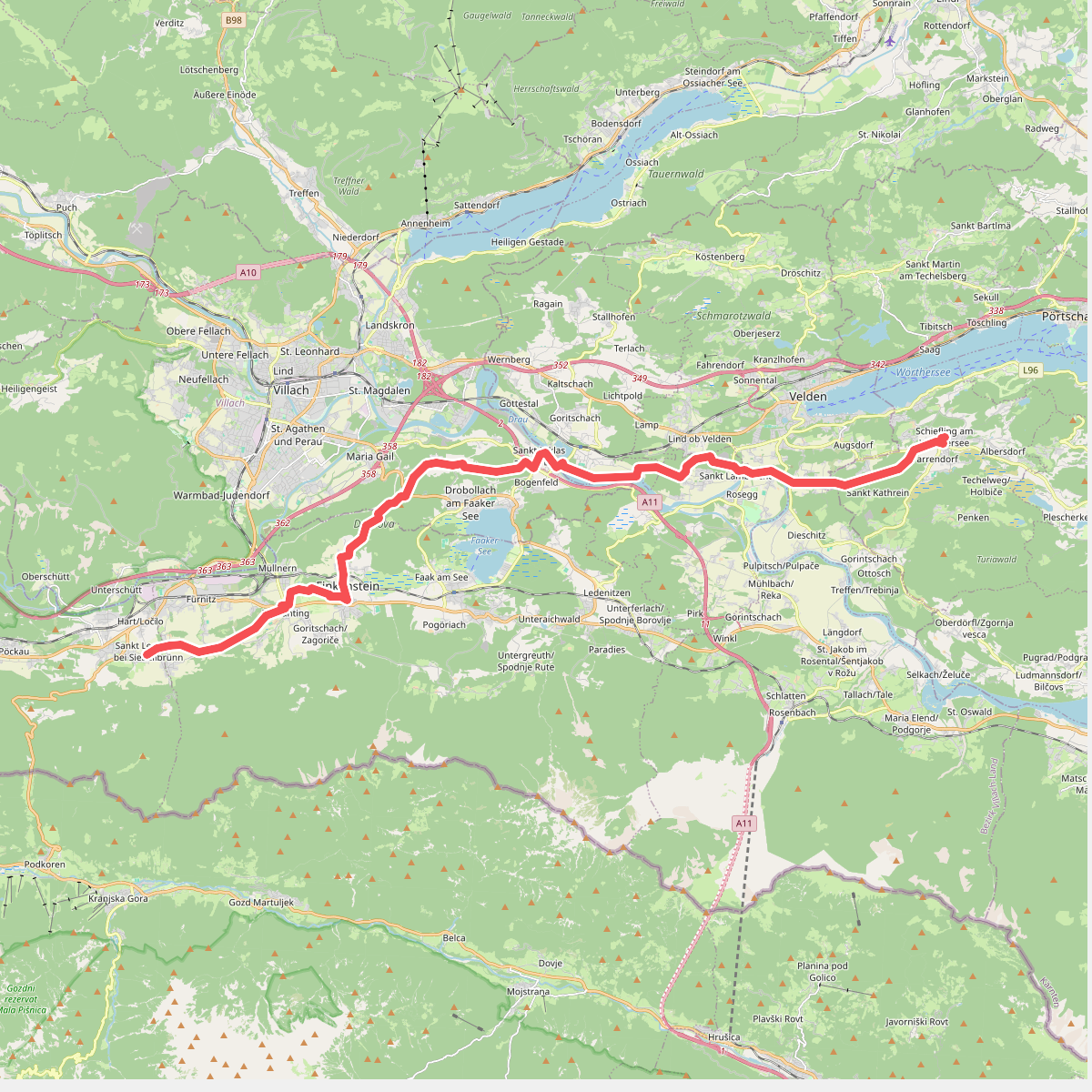
#3. Cammino Celeste - Austrian part - 2 Schiefling - St. Leonhard
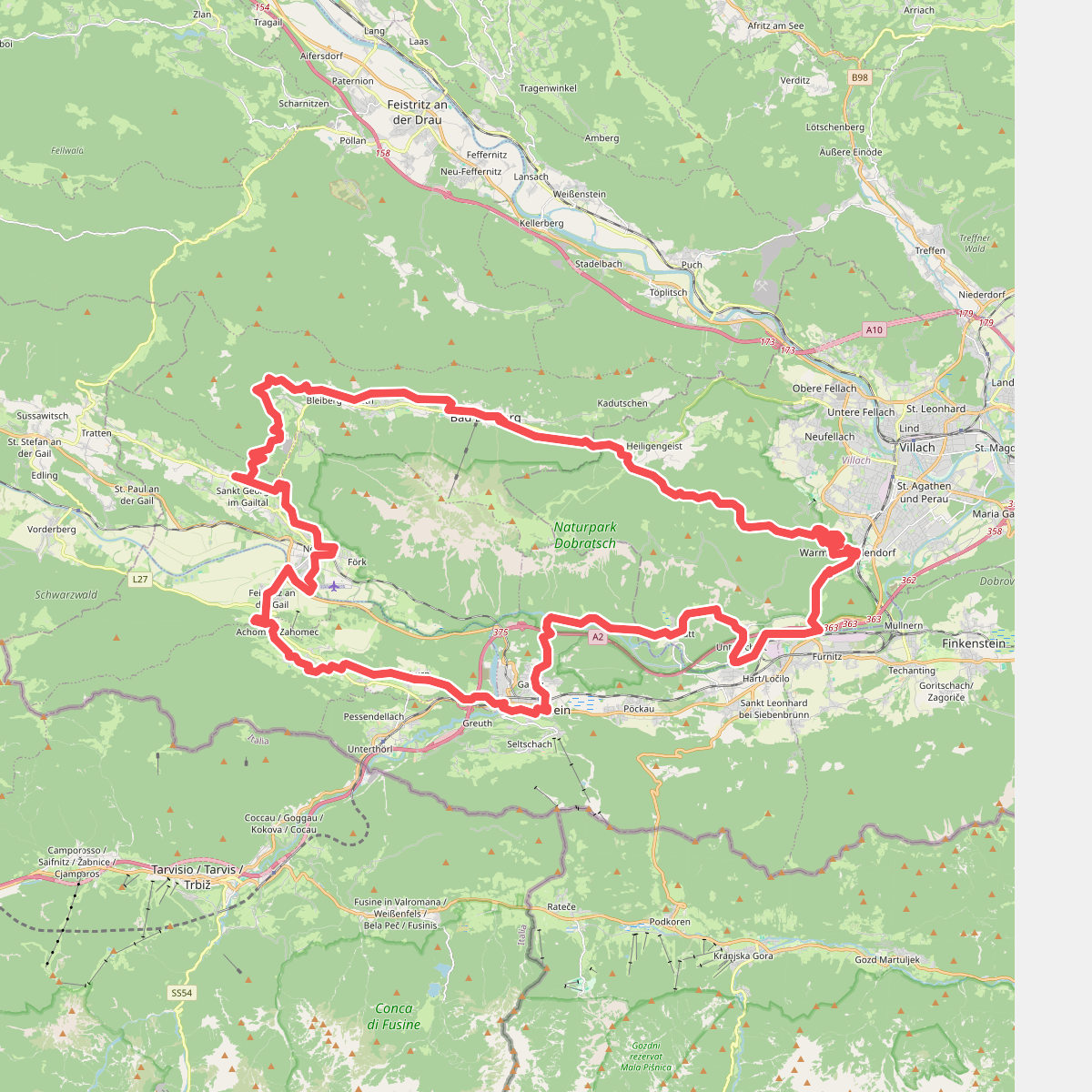
#4. Dobratsch Rundwanderweg
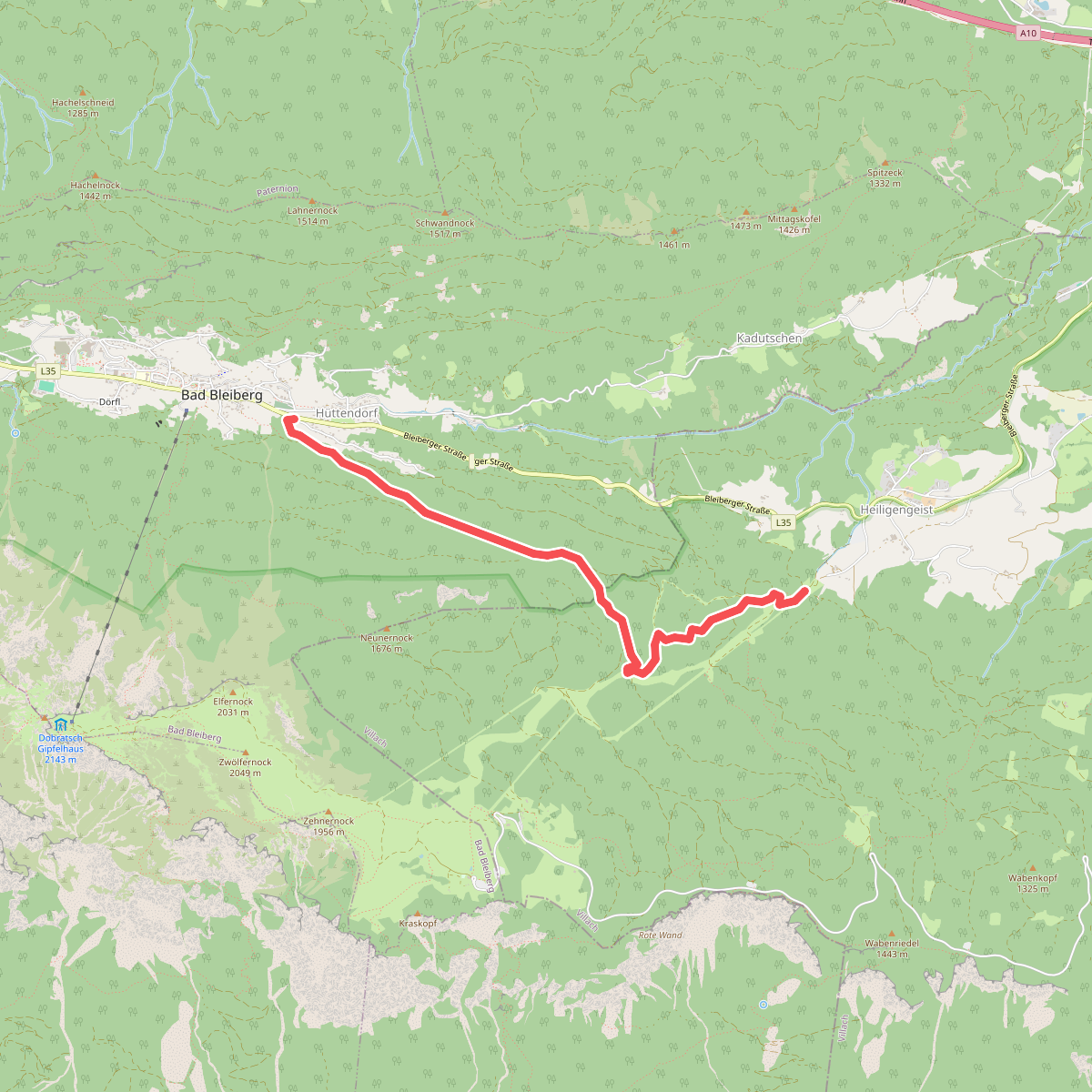
#5. Dobratsch Rundwanderweg (veraltete Variante)
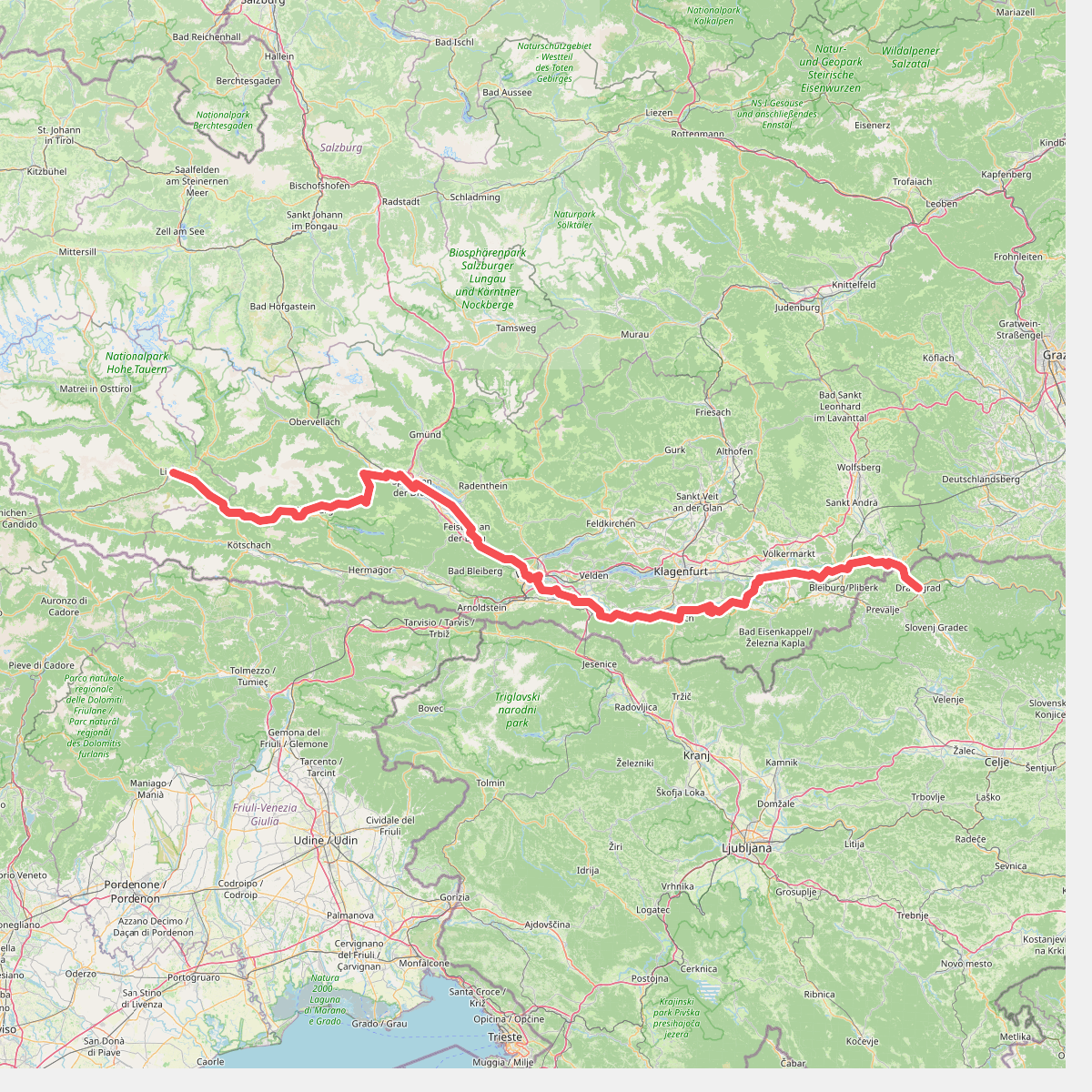
#6. Jakobsweg Kärnten
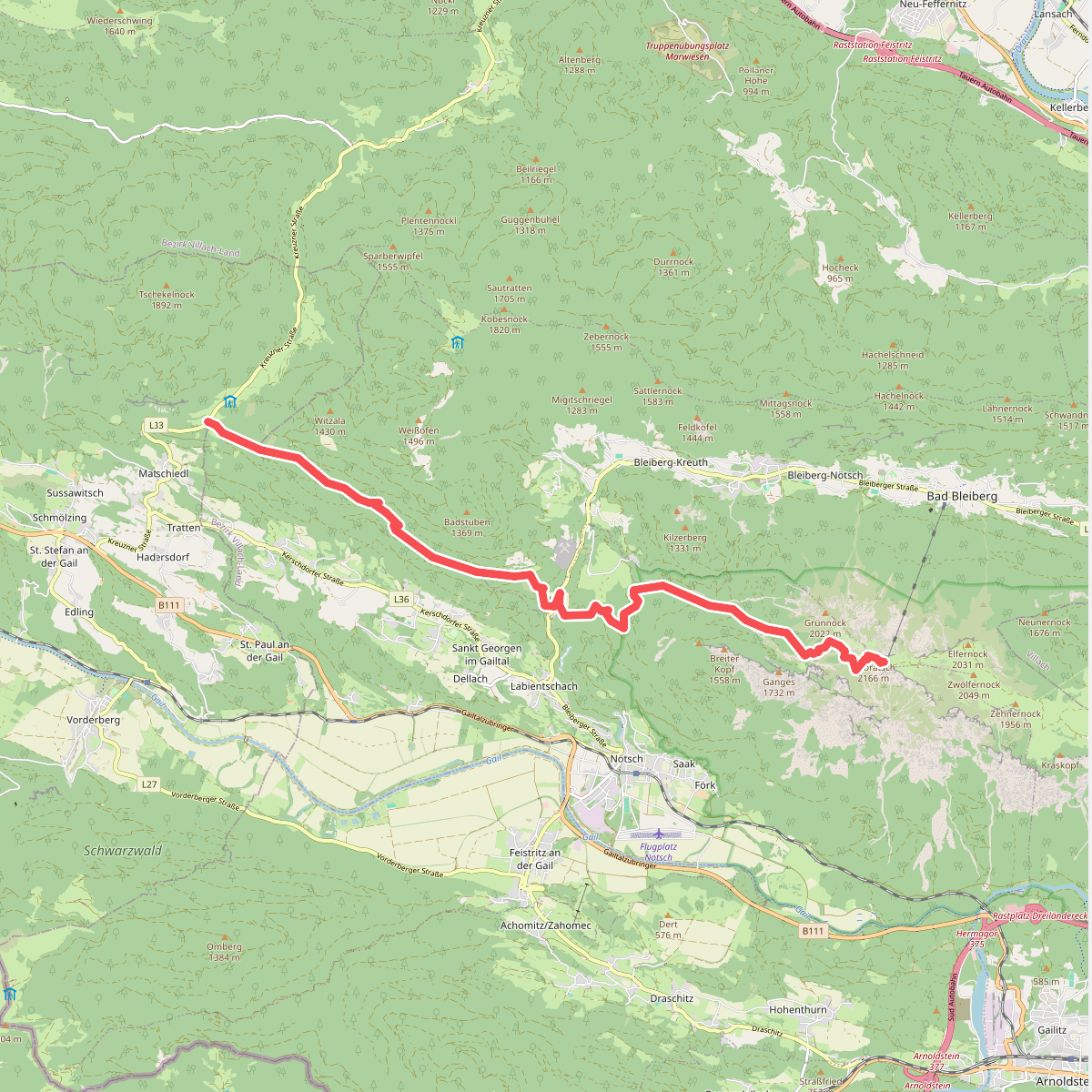
#7. JK29
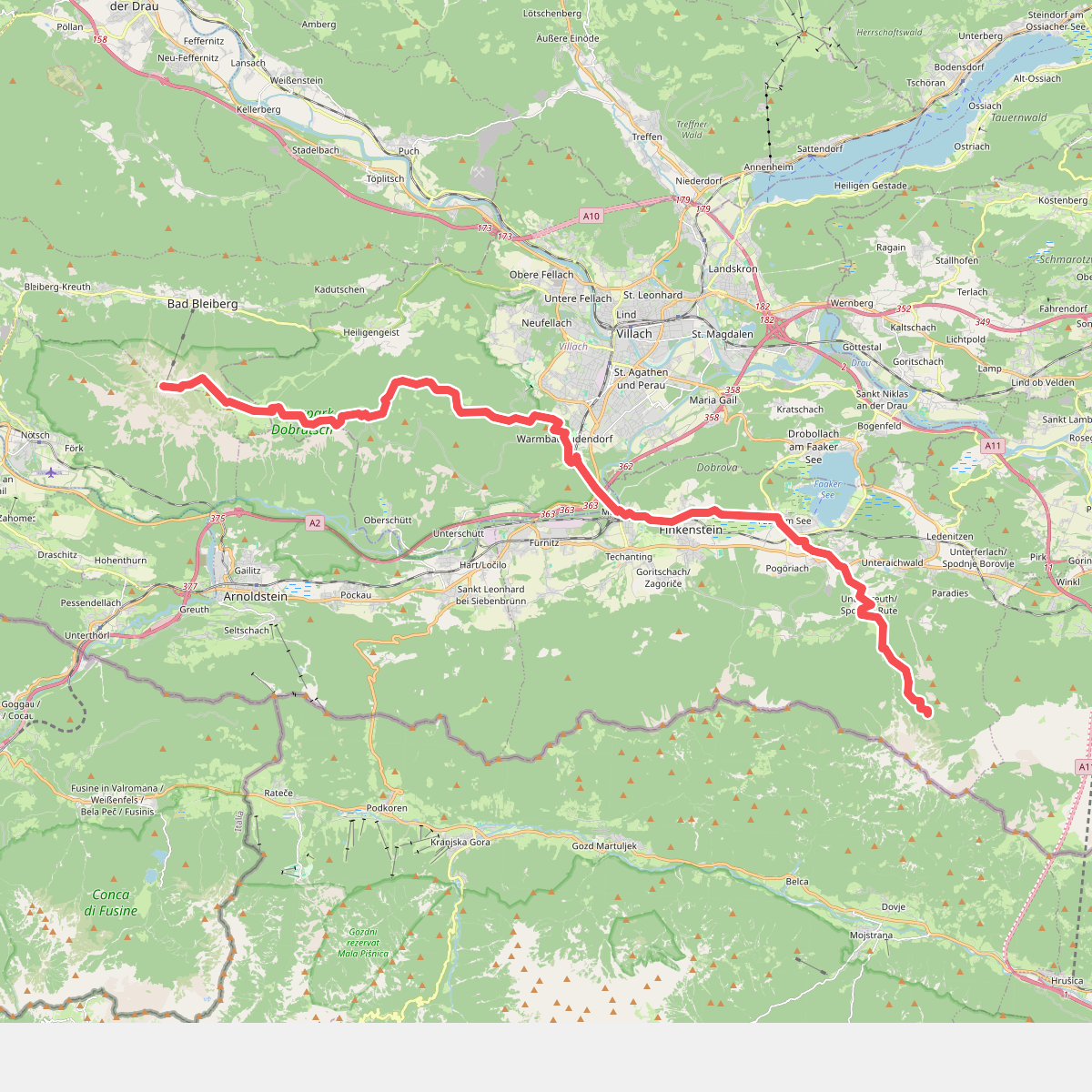
#8. JK30
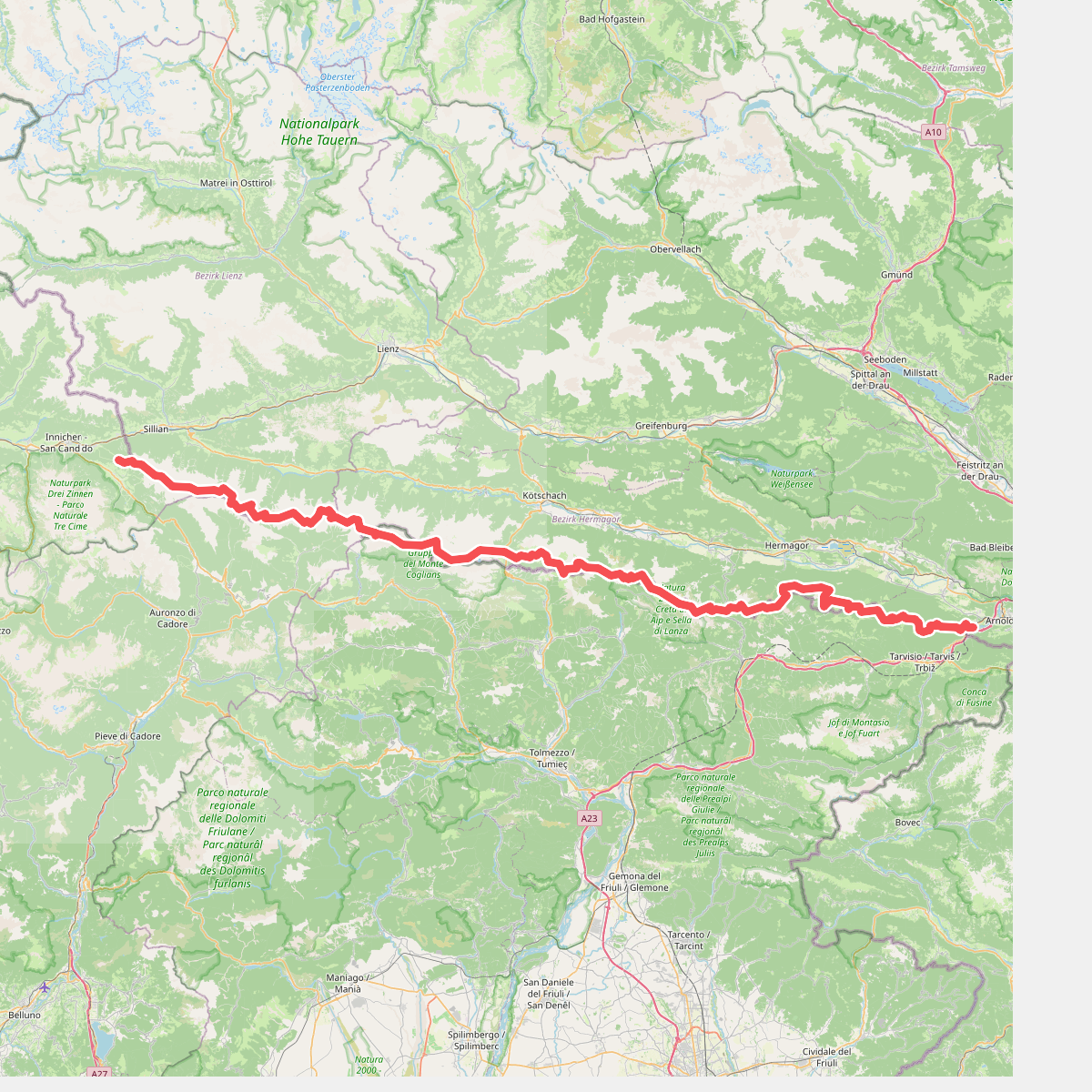
#9. Karnischer Höhenweg 403
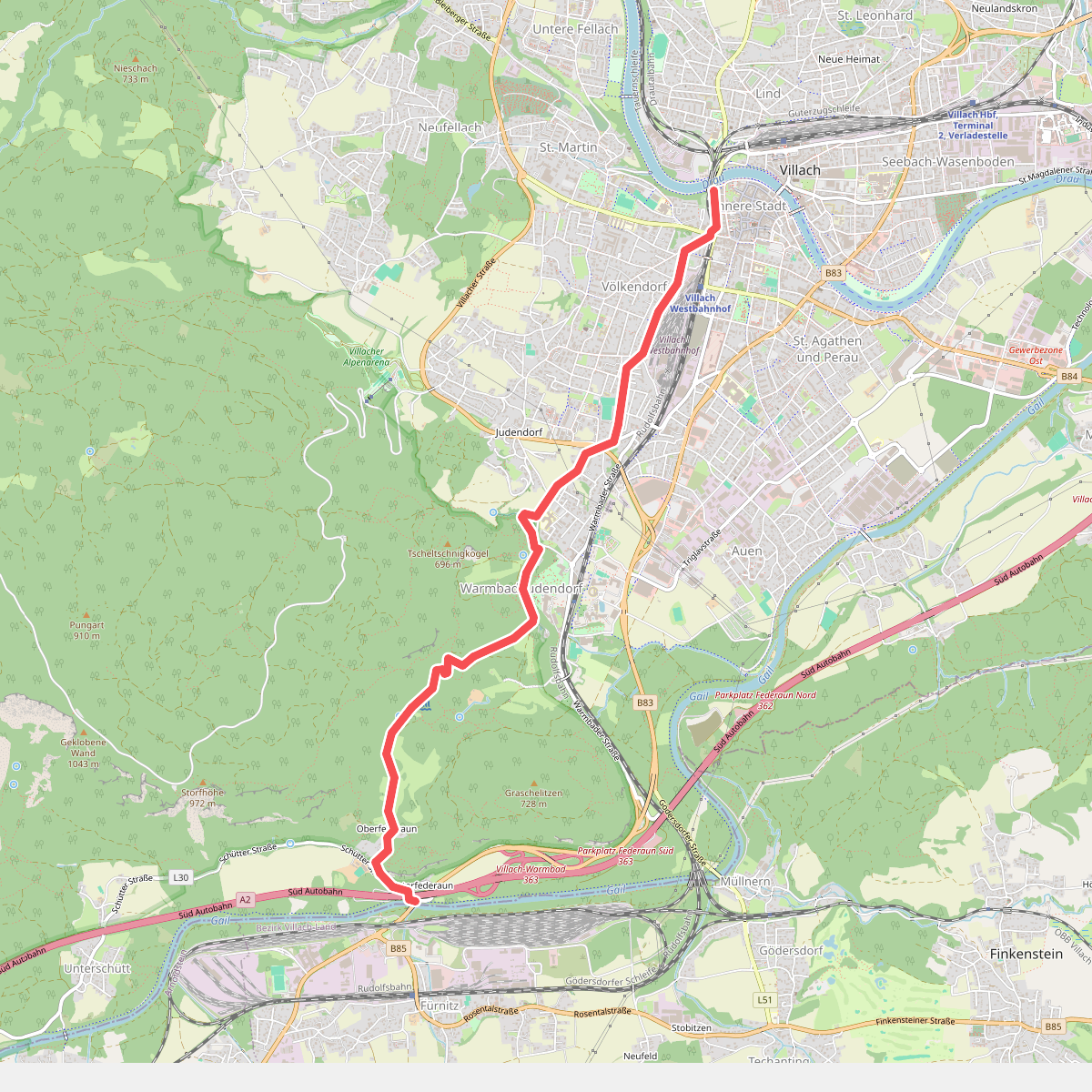
#10. Salzsteigweg 209
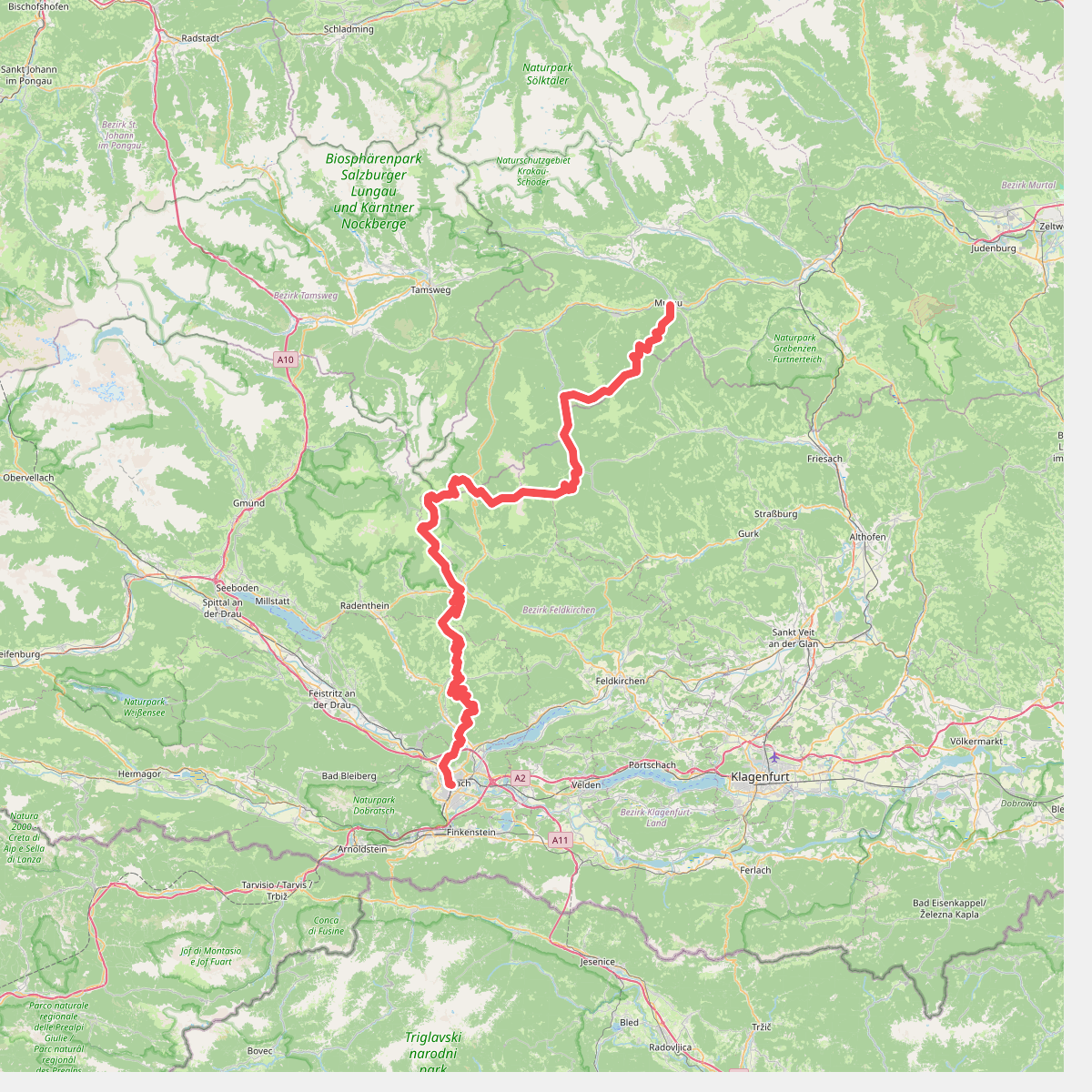
#11. Wanderweg 109 Salzsteigweg