

The best hiking routes in Oasi xerotermica di Oulx - Auberge
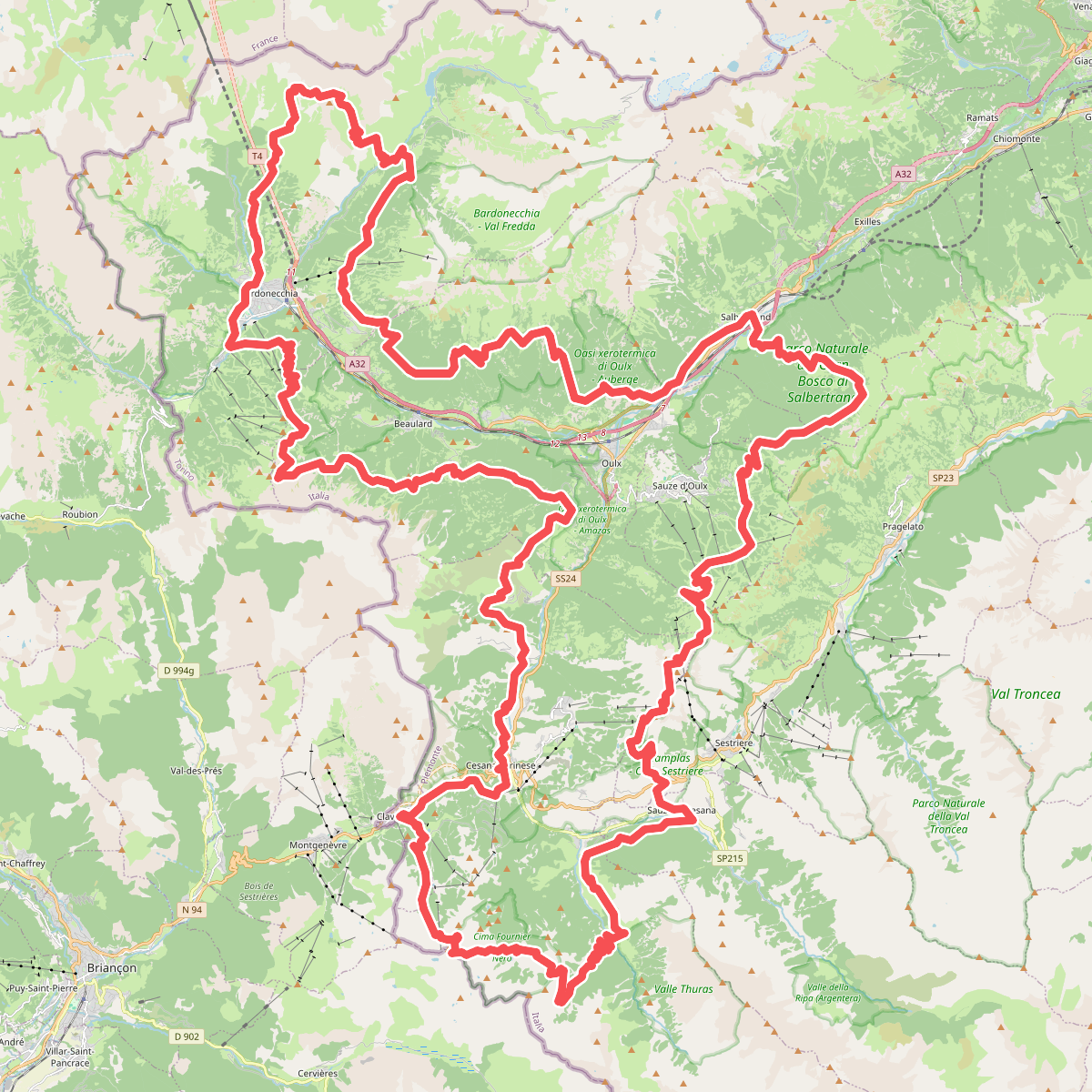
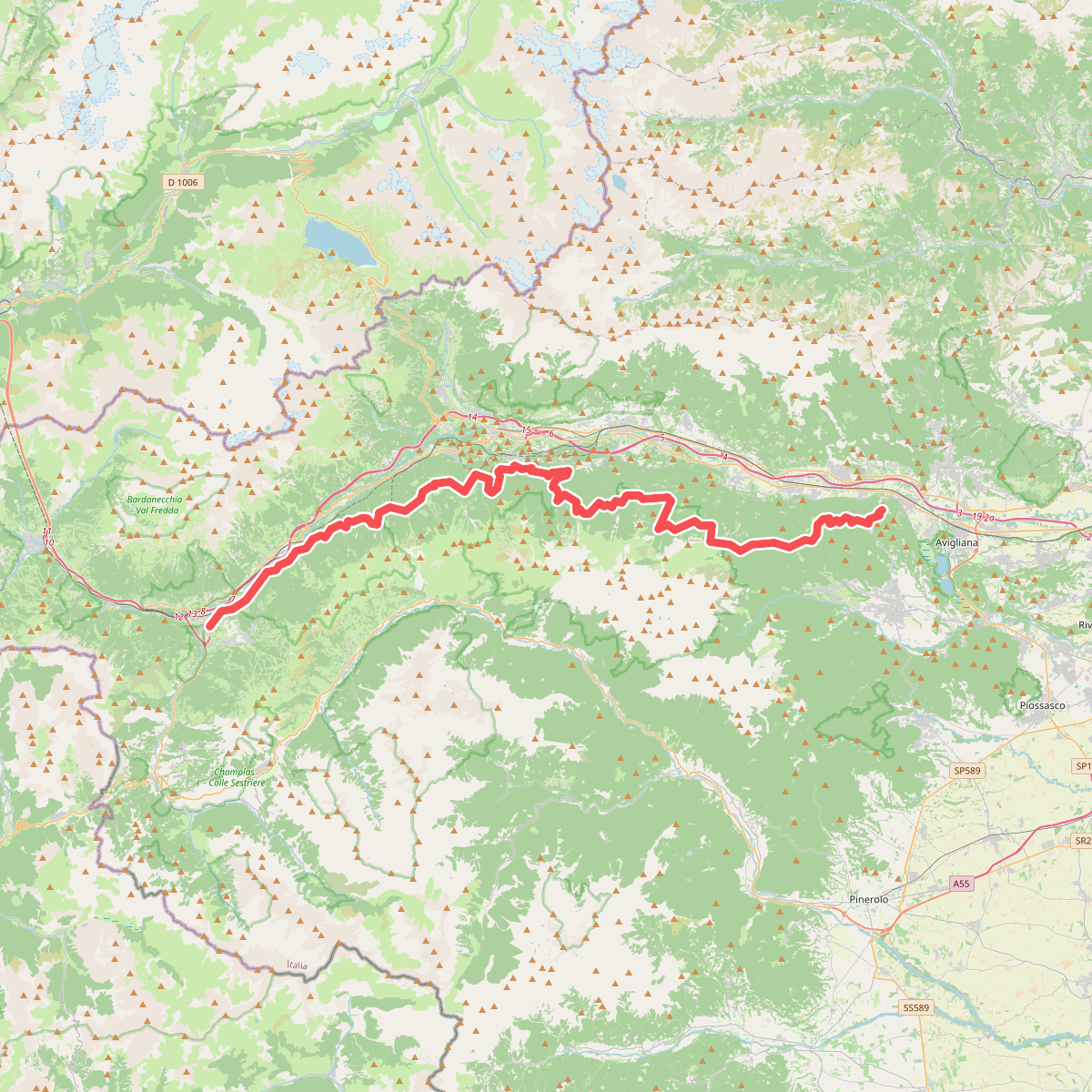
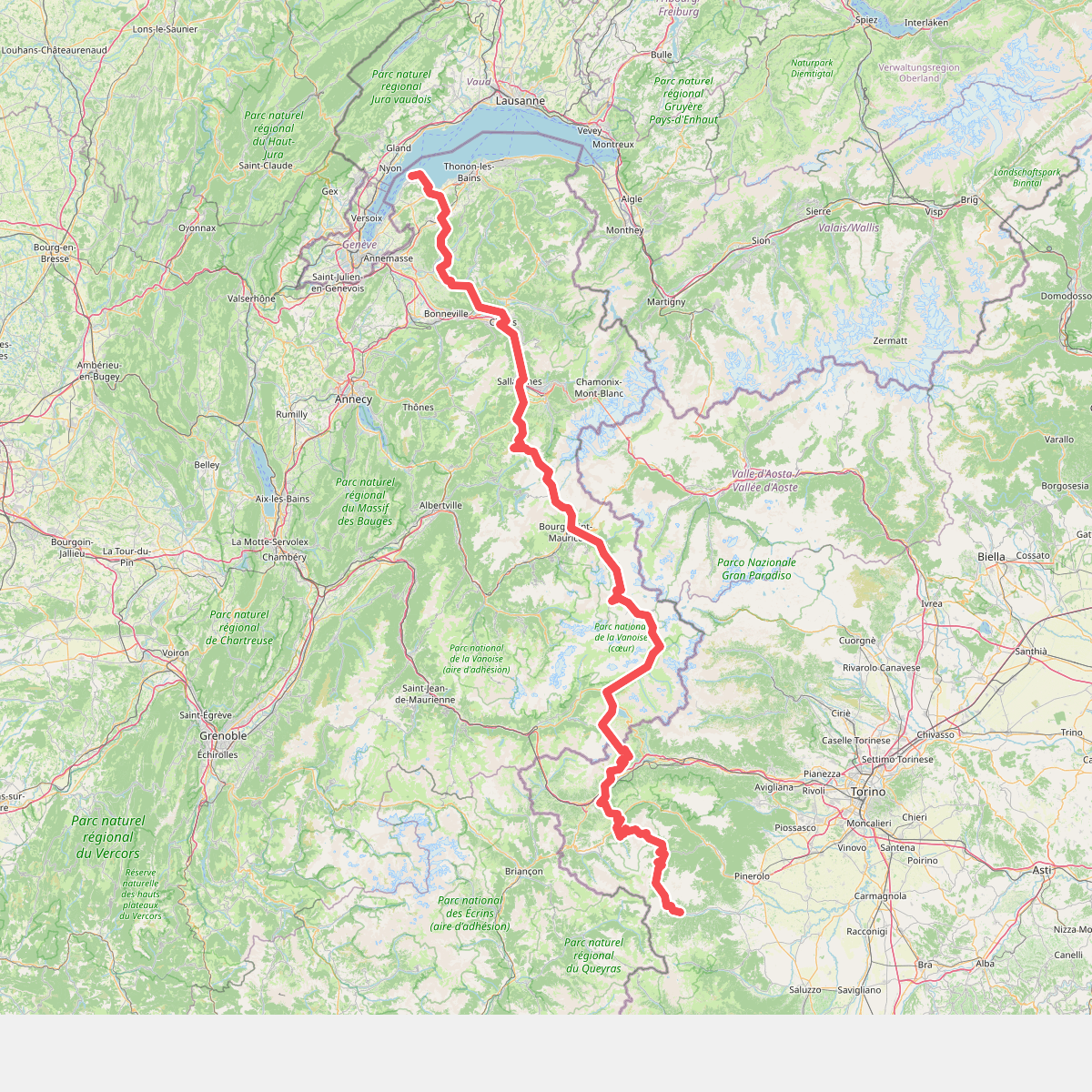
Discover the best walks in Oasi xerotermica di Oulx - Auberge. 3 routes on the map, with descriptions, photos and GPX.
Managed by Natura 2000
About Oasi xerotermica di Oulx - Auberge
The Oasi xerotermica di Oulx - Auberge occupies a distinct, dry microclimate pocket in the Susa Valley, where the surrounding rain shadow creates an unexpectedly arid environment. Walkers here will not find the lush, damp alpine meadows typical of the wider region. Instead, the terrain is characterized by steep, rocky gypsum slopes, dry grasslands, and sparse pine scrub that feel more Mediterranean than montane.
Read more
About Oasi xerotermica di Oulx - Auberge
The Oasi xerotermica di Oulx - Auberge occupies a distinct, dry microclimate pocket in the Susa Valley, where the surrounding rain shadow creates an unexpectedly arid environment. Walkers here will not find the lush, damp alpine meadows typical of the wider region. Instead, the terrain is characterized by steep, rocky gypsum slopes, dry grasslands, and sparse pine scrub that feel more Mediterranean than montane.
Read moreThe Oasi xerotermica di Oulx - Auberge occupies a distinct, dry microclimate pocket in the Susa Valley, where the surrounding rain shadow creates an unexpectedly arid environment. Walkers here will not find the lush, damp alpine meadows typical of the wider region. Instead, the terrain is characterized by steep, rocky gypsum slopes, dry grasslands, and sparse pine scrub that feel more Mediterranean than montane.
Underfoot, the paths alternate between loose limestone scree, crumbling gypsum dust, and hard-packed dirt tracks. The vegetation is highly specialized, featuring drought-resistant plants and wild orchids that cling to the thin soil. You will notice how the south-facing slopes are almost bare and sun-baked, while the slightly more sheltered hollows support denser thickets of downy oak and juniper.
This area is relatively small and does not offer high-altitude glacier views or deep, rushing river gorges. It is a place for close observation of a rare habitat transition, where the dry ground and warm air currents support a high concentration of butterflies and reptiles. The main tracks are straightforward to follow, though the loose stones require steady footing.