

The best hiking routes in Parc Natural de la Serra d'Irta
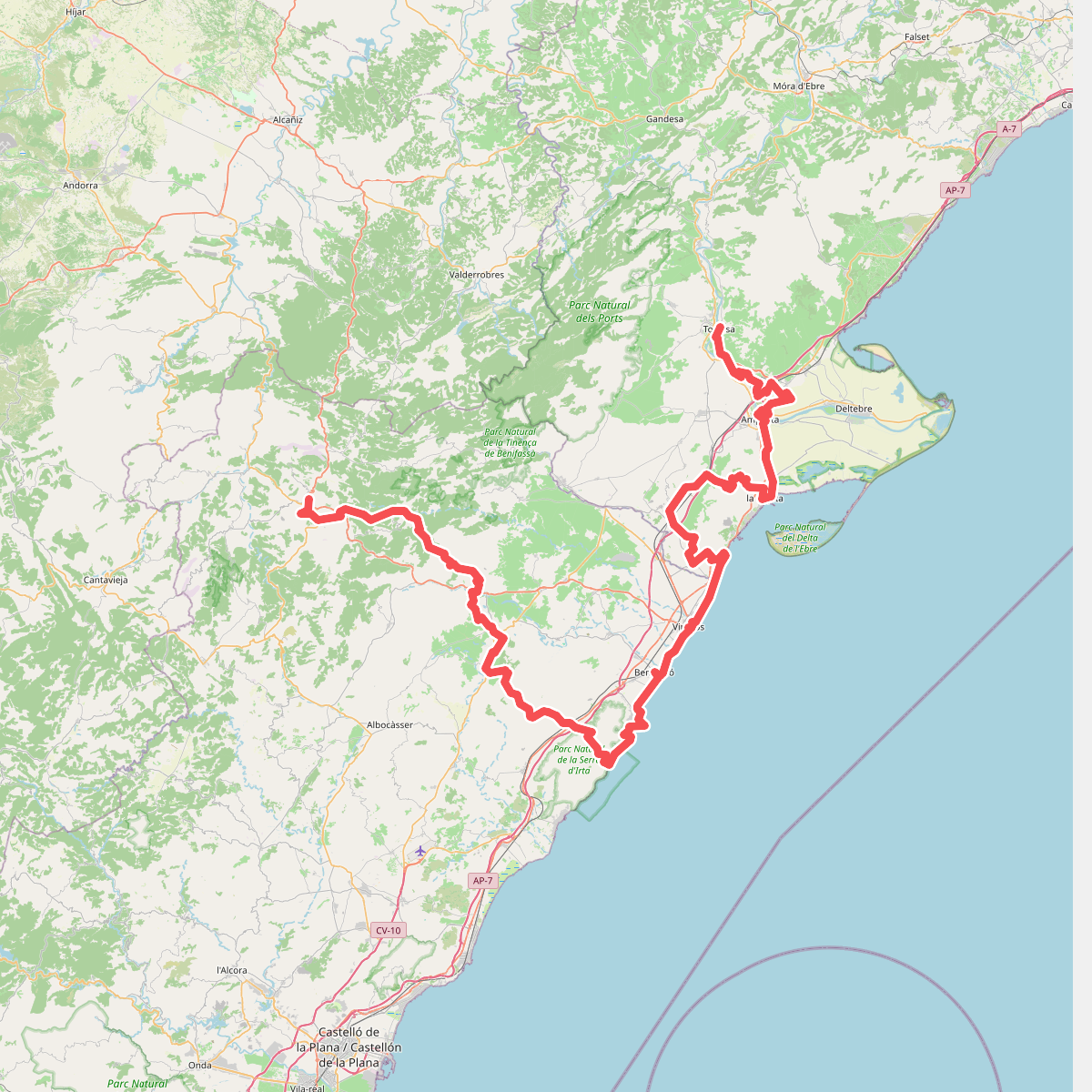
Discover the best walks in Parc Natural de la Serra d'Irta. 3 routes on the map, with descriptions, photos and GPX.
Managed by Generalitat Valenciana
About Parc Natural de la Serra d'Irta
Parc Natural de la Serra d'Irta offers a rare stretch of undeveloped Mediterranean coastline where the mountains drop directly into the sea. Unlike the sandy beaches of the surrounding tourist coast, this terrain is defined by low limestone cliffs, rocky coves, and dry scrubland. Walking here means navigating a landscape of sharp stone, dwarf palms, rosemary, and mastic shrubs, with no high mountain peaks but rather a rugged, undulating coastal ridge that reaches up to five hundred meters in elevation.
Read more
About Parc Natural de la Serra d'Irta
Parc Natural de la Serra d'Irta offers a rare stretch of undeveloped Mediterranean coastline where the mountains drop directly into the sea. Unlike the sandy beaches of the surrounding tourist coast, this terrain is defined by low limestone cliffs, rocky coves, and dry scrubland. Walking here means navigating a landscape of sharp stone, dwarf palms, rosemary, and mastic shrubs, with no high mountain peaks but rather a rugged, undulating coastal ridge that reaches up to five hundred meters in elevation.
Read moreParc Natural de la Serra d'Irta offers a rare stretch of undeveloped Mediterranean coastline where the mountains drop directly into the sea. Unlike the sandy beaches of the surrounding tourist coast, this terrain is defined by low limestone cliffs, rocky coves, and dry scrubland. Walking here means navigating a landscape of sharp stone, dwarf palms, rosemary, and mastic shrubs, with no high mountain peaks but rather a rugged, undulating coastal ridge that reaches up to five hundred meters in elevation.
Underfoot, you will find a mix of rough, stony singletrack paths and wider dirt tracks. The limestone underfoot is sharp and uneven, requiring sturdy footwear even on the flatter coastal routes. The lower trail runs close to the water, passing old watchtowers and secluded shingle beaches, while the higher paths climb steeply through abandoned agricultural terraces where olive and carob trees have been reclaimed by the wild scrub.
This area is ideal if you want to experience a dry, coastal wilderness without the intrusion of modern seafront developments. It is not a place for shaded forest walks or soft grassy paths. In the spring months, particularly March and April, the scrubland is green and flowering, while the summer months reveal a much drier, sun-baked landscape where shade is almost non-existent along the exposed cliffs.