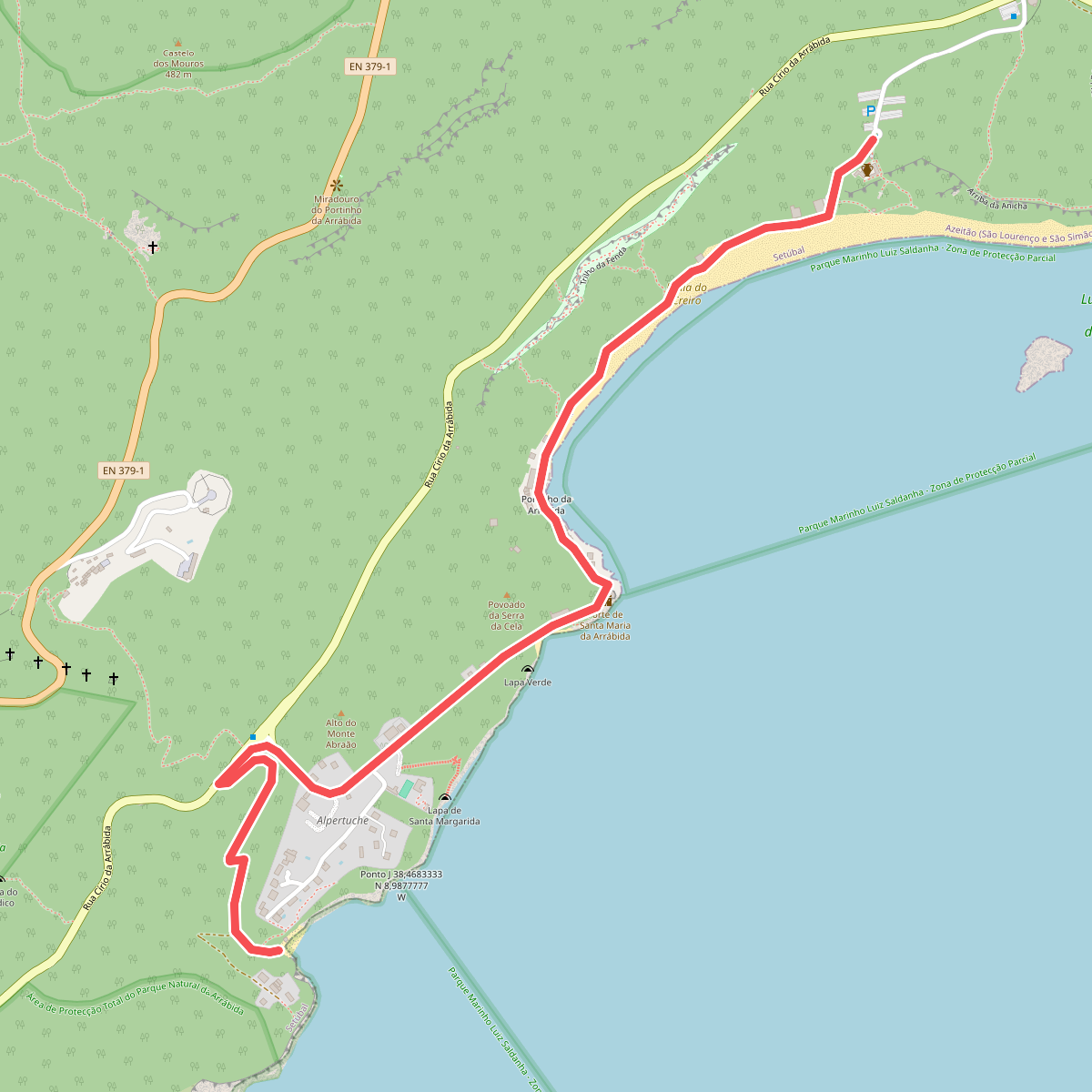


The best hiking routes in Parque Natural da Arrábida
Discover the best walks in Parque Natural da Arrábida. 13 routes on the map, with descriptions, photos and GPX.
Managed by Instituto da Conservação da Natureza e das Florestas
About Parque Natural da Arrábida
Parque Natural da Arrábida is a coastal limestone ridge rising sharply above the Atlantic Ocean, characterized by dense Mediterranean maquis shrubland and steep cliffs. Unlike the flat sandy beaches of the nearby Troia Peninsula, the terrain here is defined by rugged karst formations, exposed white limestone, and thick, evergreen scrub that can make off-trail navigation impossible. Walkers will find a stark contrast between the north-facing slopes, which support a cooler, damp woodland of wild olives and oaks, and the dry, sun-baked southern cliffs plunging toward the sea.
Read more
About Parque Natural da Arrábida
Parque Natural da Arrábida is a coastal limestone ridge rising sharply above the Atlantic Ocean, characterized by dense Mediterranean maquis shrubland and steep cliffs. Unlike the flat sandy beaches of the nearby Troia Peninsula, the terrain here is defined by rugged karst formations, exposed white limestone, and thick, evergreen scrub that can make off-trail navigation impossible. Walkers will find a stark contrast between the north-facing slopes, which support a cooler, damp woodland of wild olives and oaks, and the dry, sun-baked southern cliffs plunging toward the sea.
Read moreParque Natural da Arrábida is a coastal limestone ridge rising sharply above the Atlantic Ocean, characterized by dense Mediterranean maquis shrubland and steep cliffs. Unlike the flat sandy beaches of the nearby Troia Peninsula, the terrain here is defined by rugged karst formations, exposed white limestone, and thick, evergreen scrub that can make off-trail navigation impossible. Walkers will find a stark contrast between the north-facing slopes, which support a cooler, damp woodland of wild olives and oaks, and the dry, sun-baked southern cliffs plunging toward the sea.
Underfoot, the paths vary from loose limestone scree and rocky, uneven singletracks to wider dirt forest roads. The terrain requires careful foot placement due to sharp rocks and steep gradients, particularly on the descents toward secluded coves like Portinho da Arrábida. There are no high alpine peaks or rushing freshwater rivers here; the landscape is defined by its dry, scrubby ridges and the constant presence of the sea below.
In spring, particularly during March and April, the limestone soils produce a quiet display of wild orchids and flowering gorse along the track margins. The area is not a wilderness of endless forests, as the proximity to Setúbal and Lisbon means the main coastal roads and popular viewpoints are busy with traffic, but the interior footpaths through the dense maquis offer a much quieter, enclosed walking experience.
Hiking routes in Parque Natural da Arrábida (13)
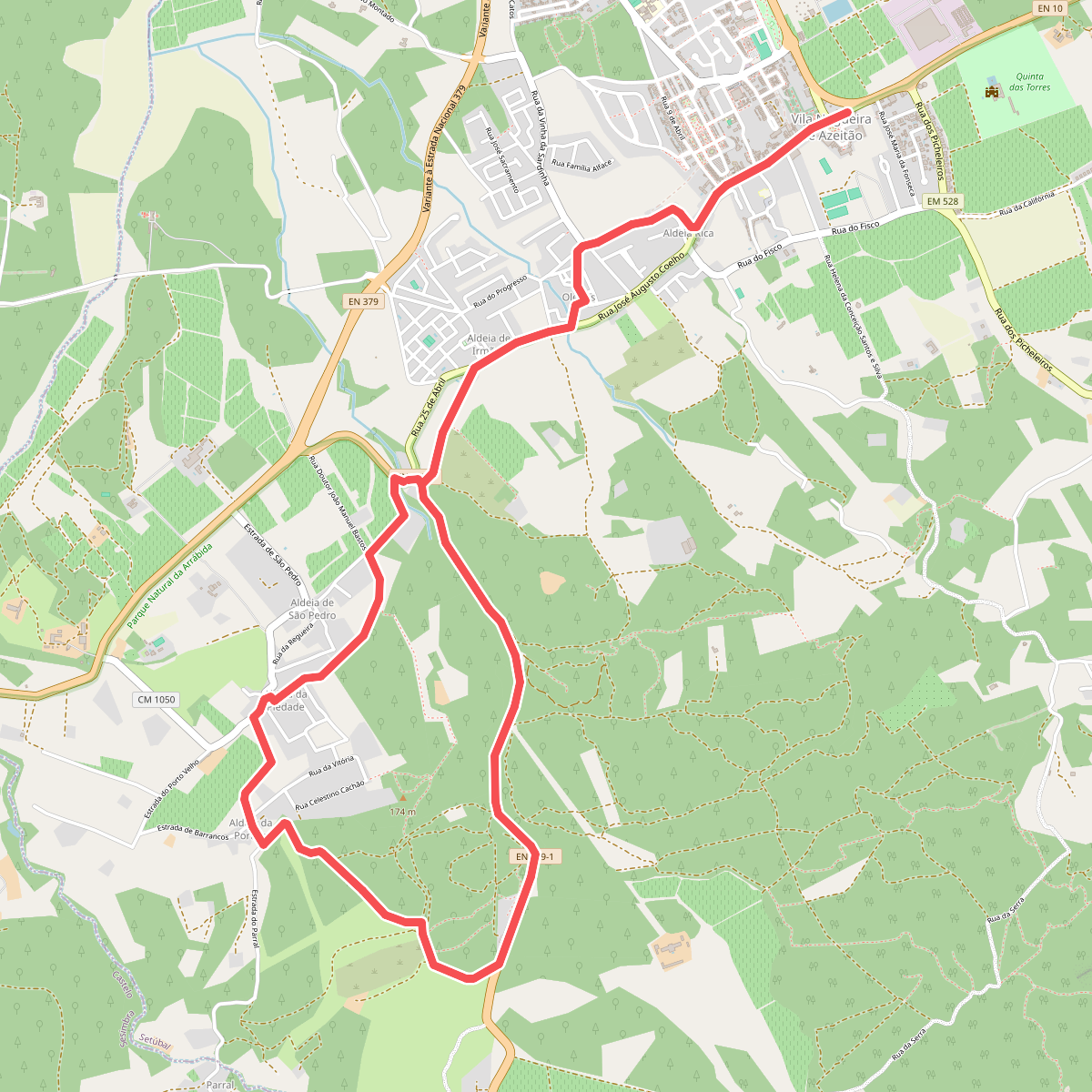
#1. Aldeias de Azeitão (Curto)
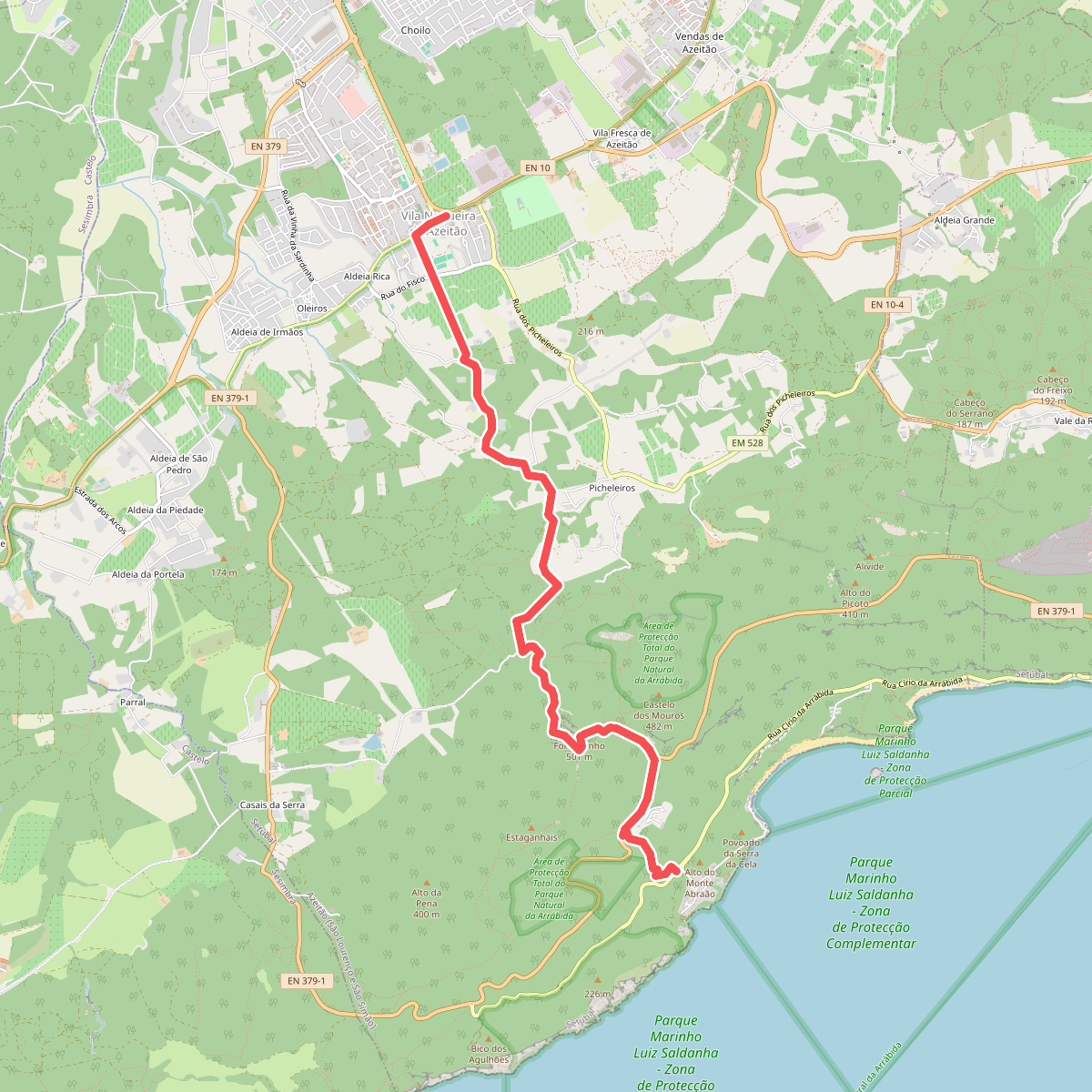
#2. Alto do Formosinho
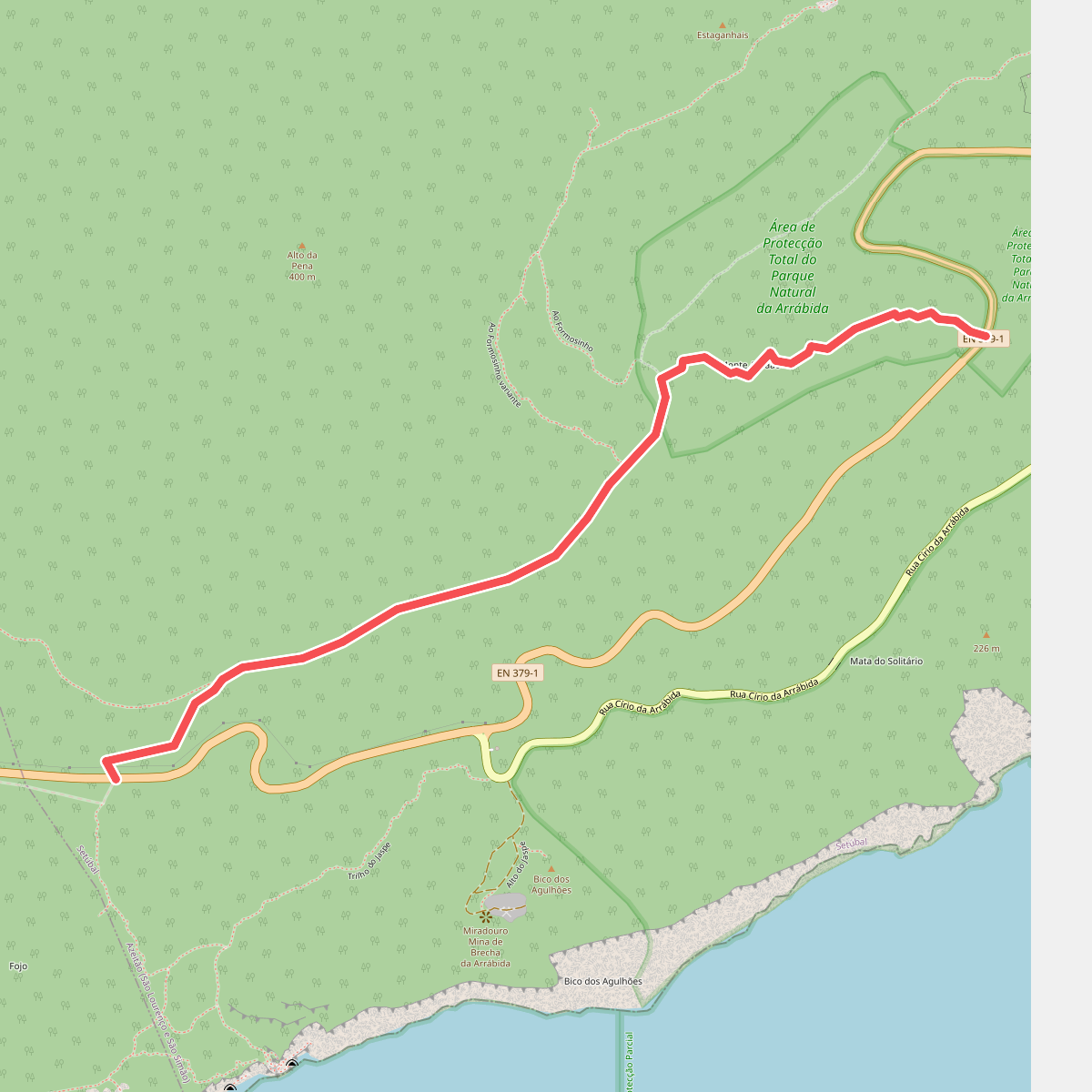
#3. Caminho das 3 Cruzes
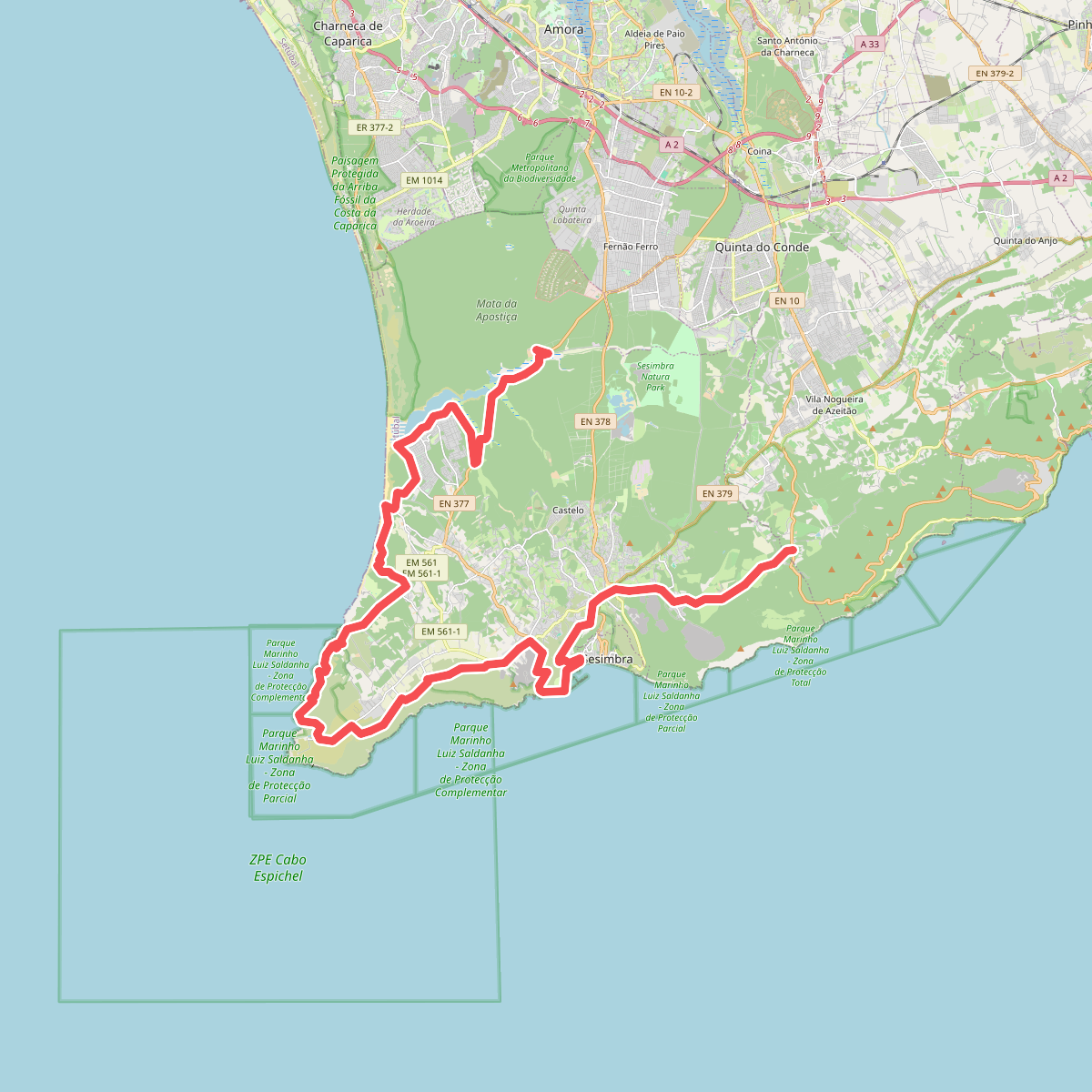
#4. Caminho do Atlântico (Troço Concelho Sesimbra)
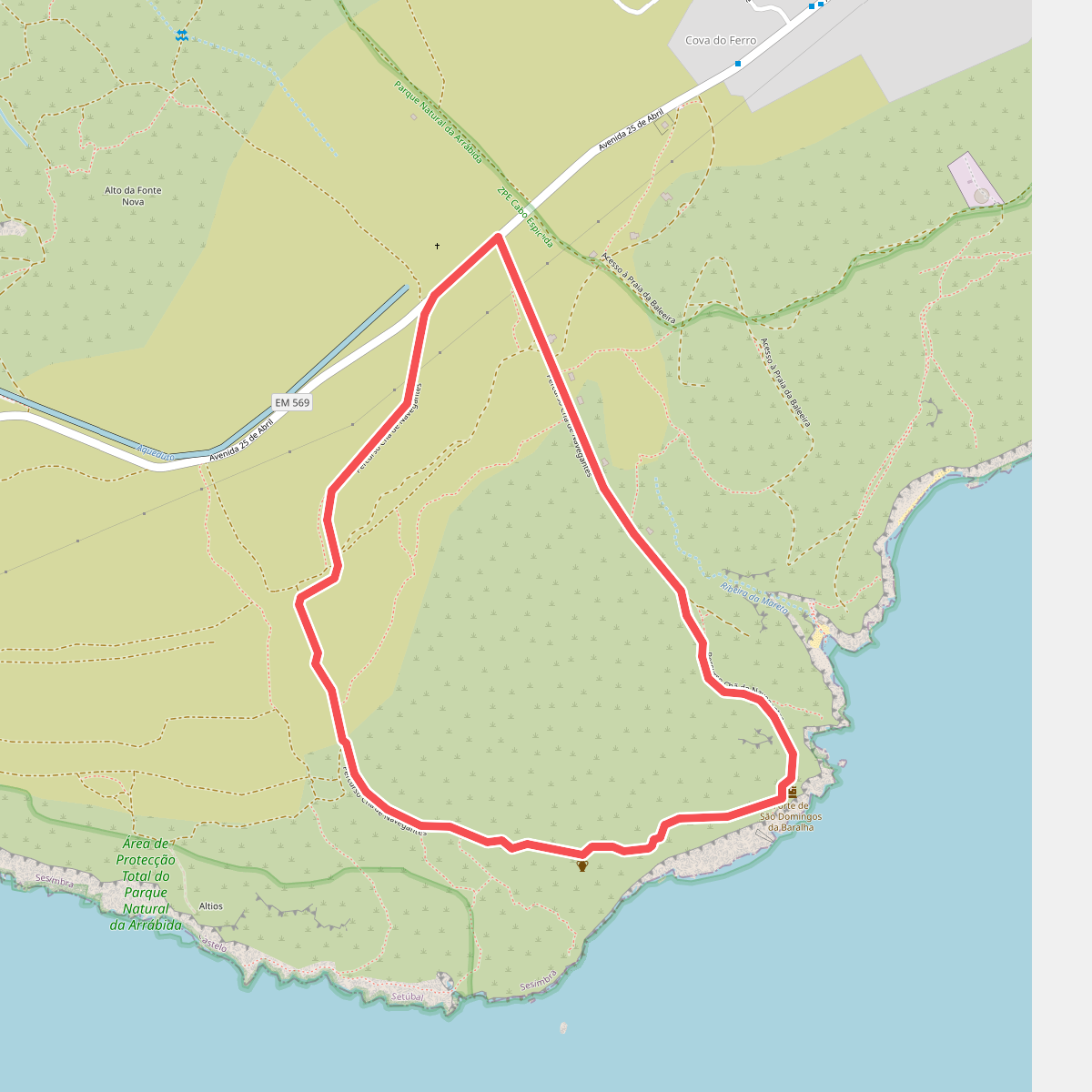
#5. Chã dos Navegantes
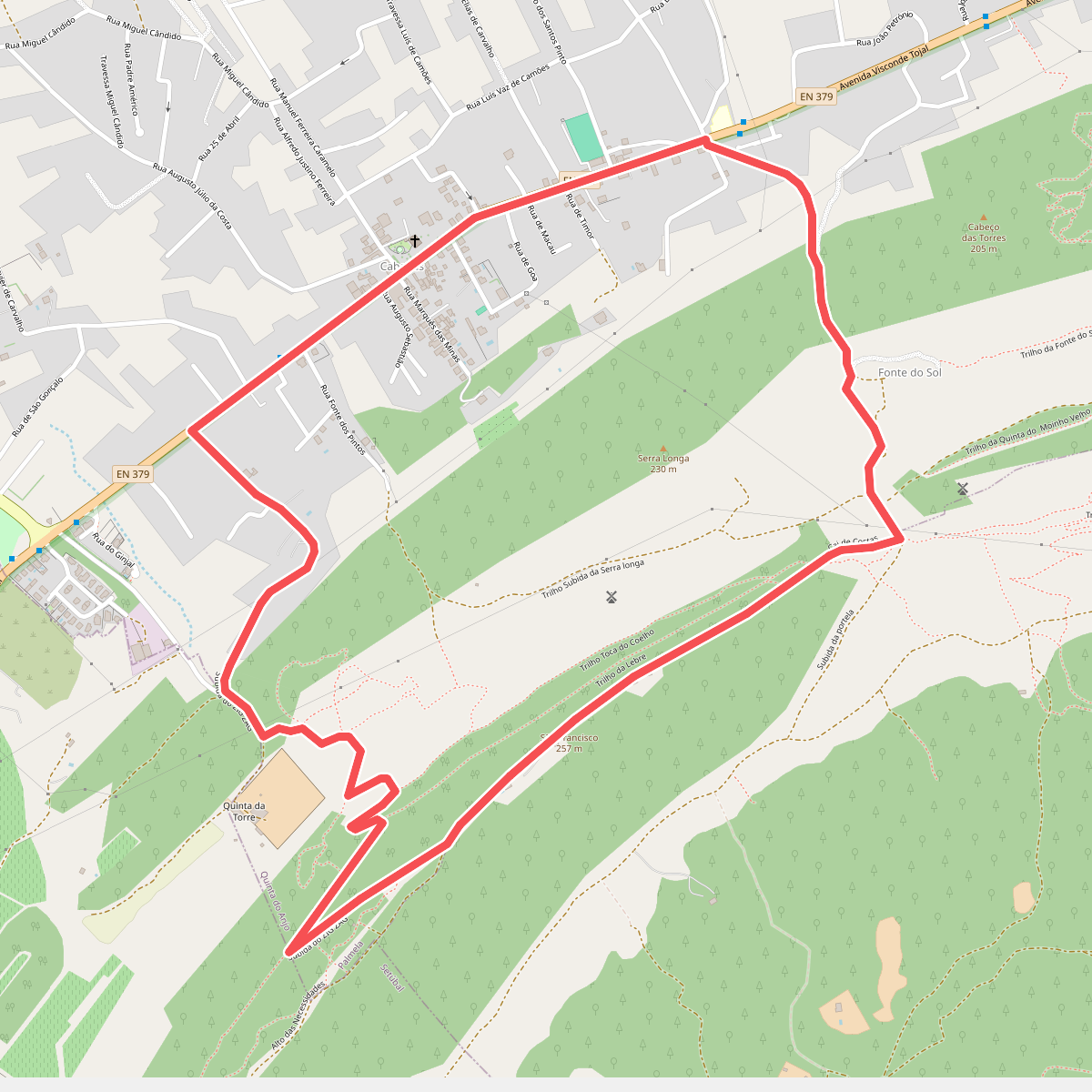
#6. De Cabanas à Serra de São Francisco
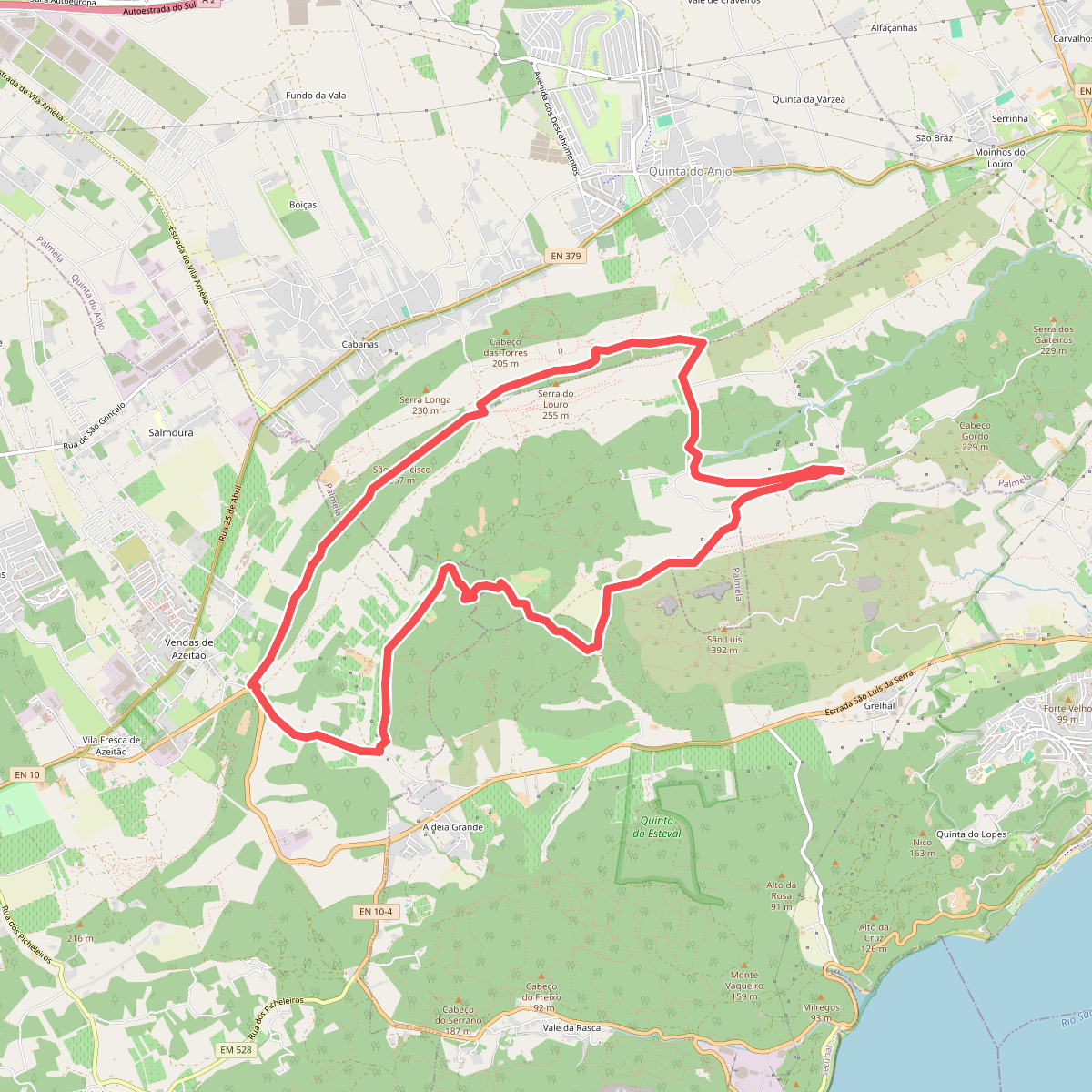
#7. De São Luis ao Vale de Alcube
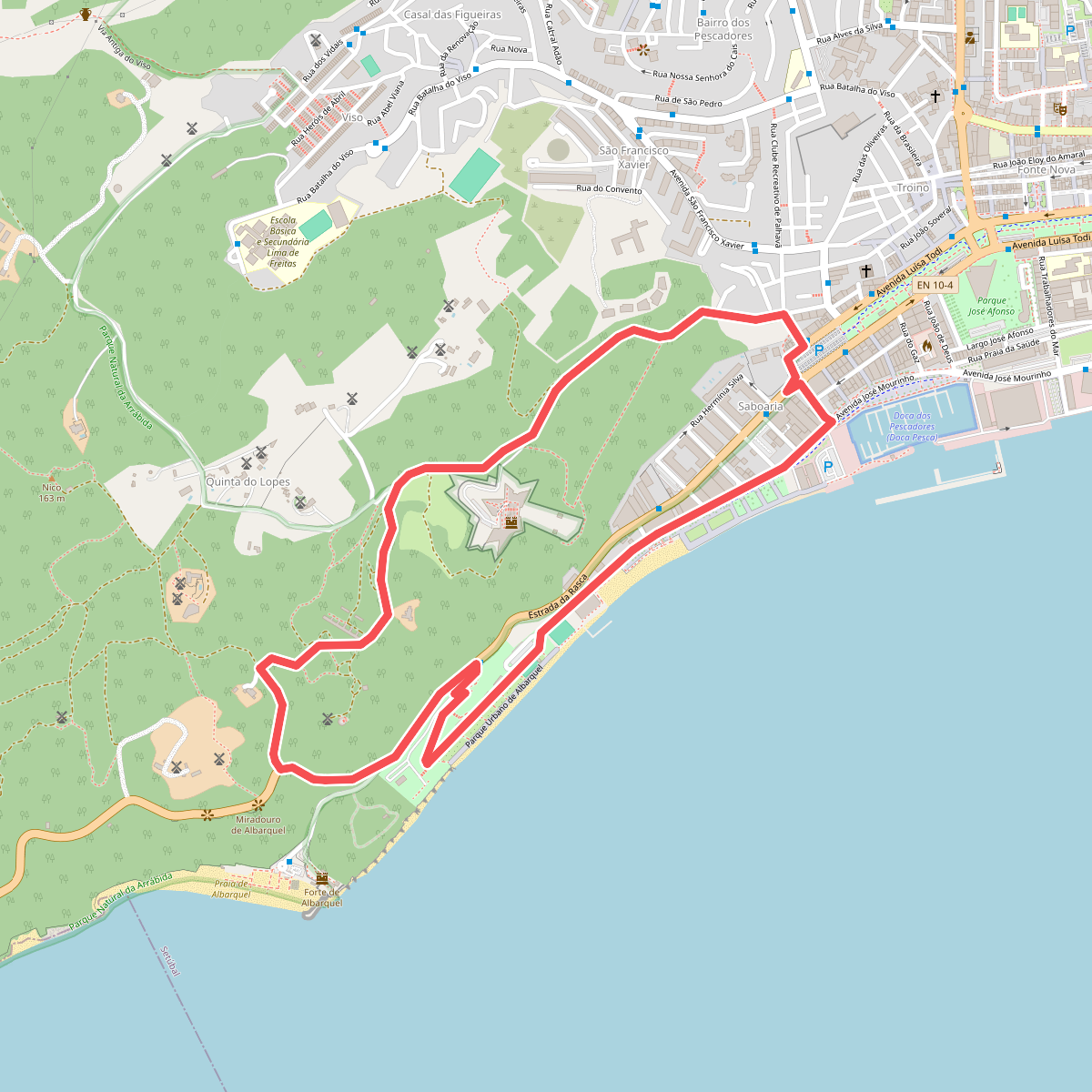
#8. Encostas de São Filipe
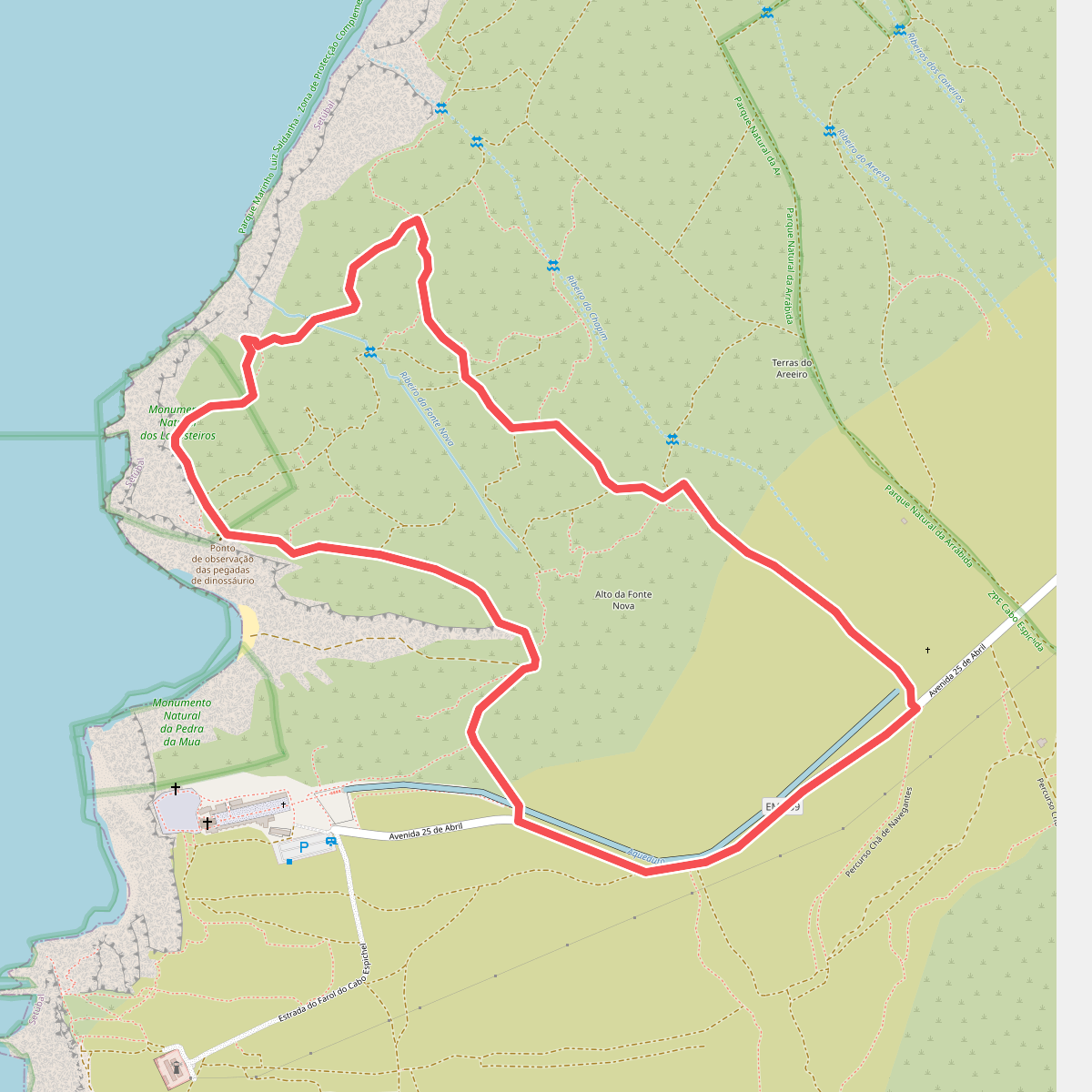
#9. Maravilhas do Cabo
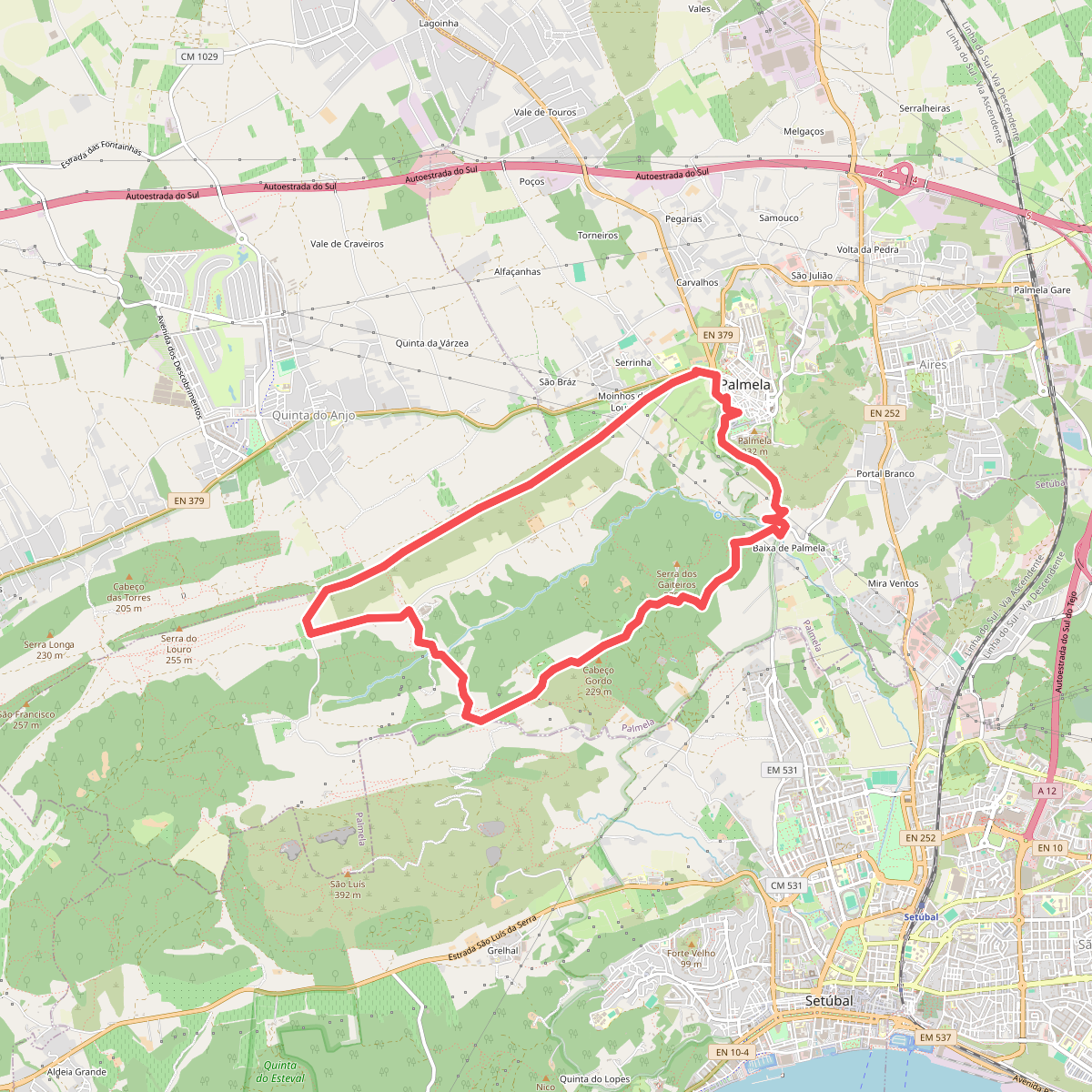
#10. Nas Encostas de Palmela
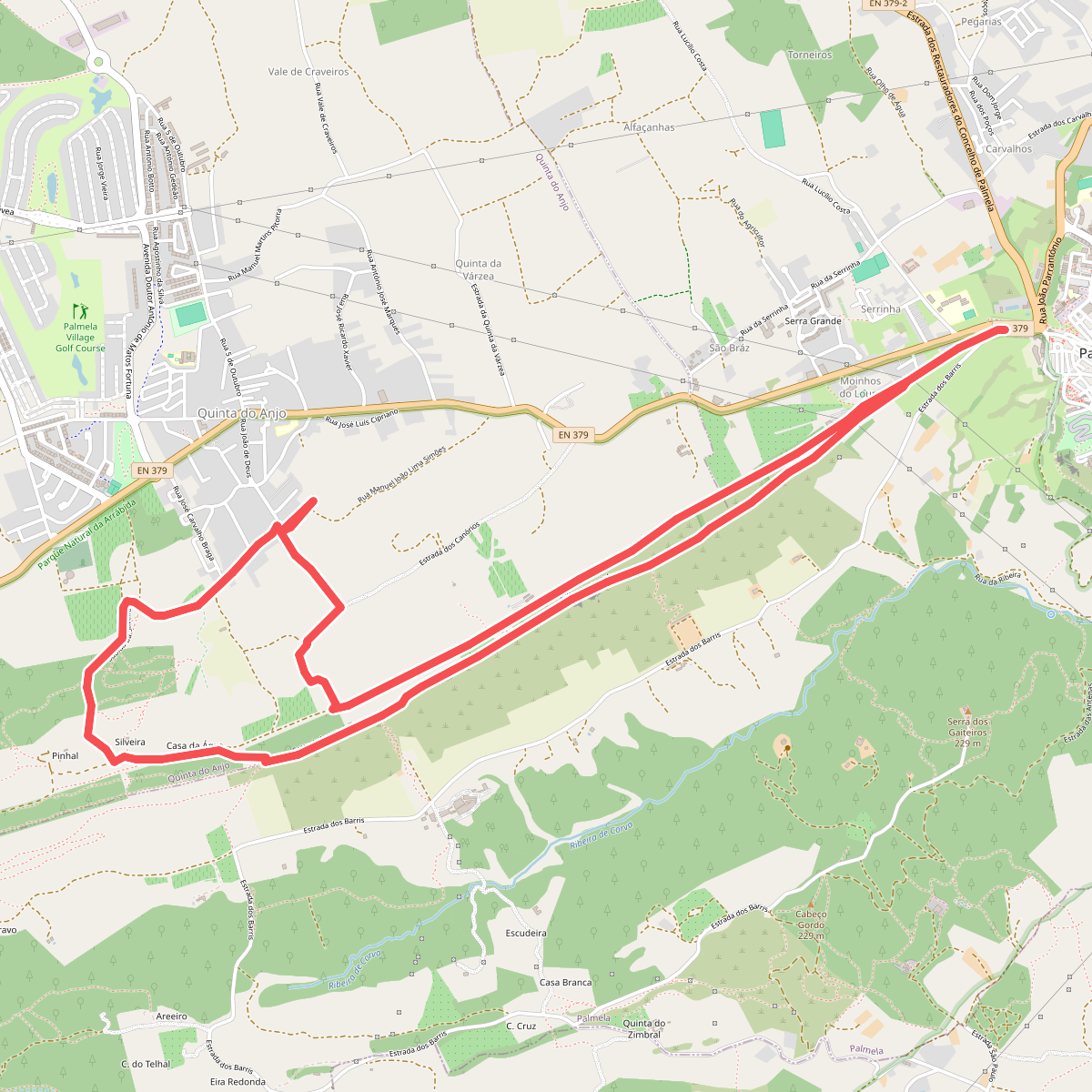
#11. Pela Serra do Louro