The best hiking routes in Spandauer Forst
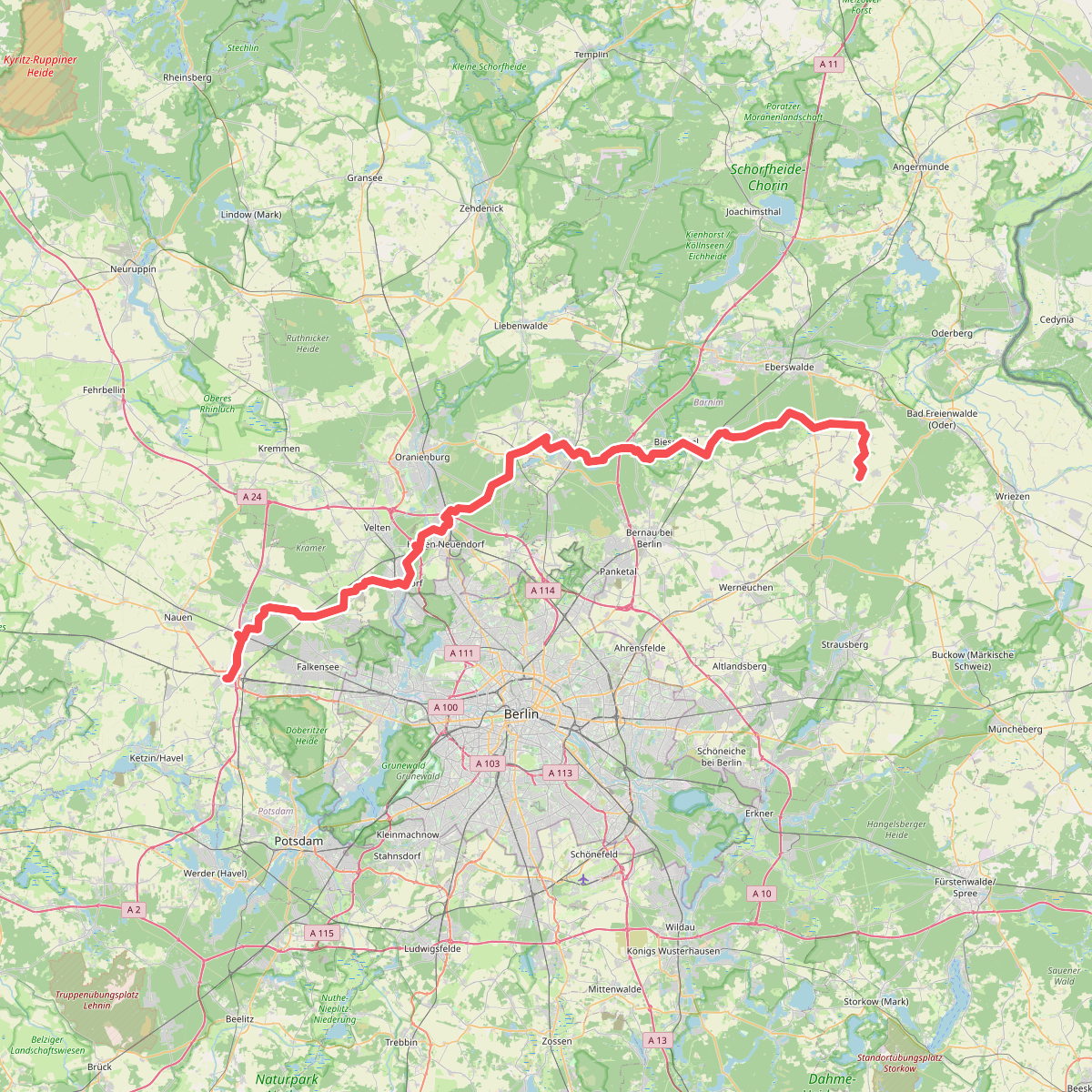
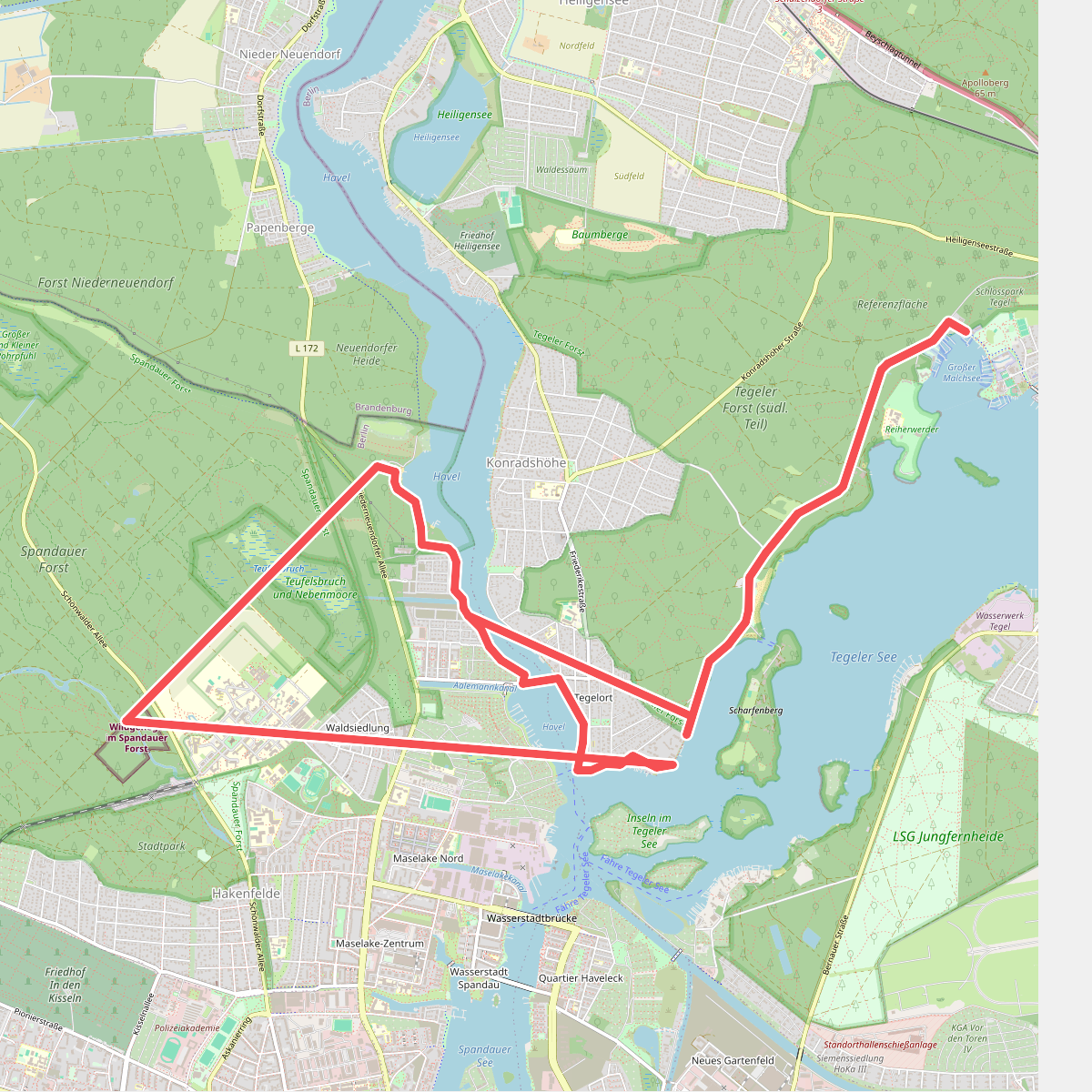
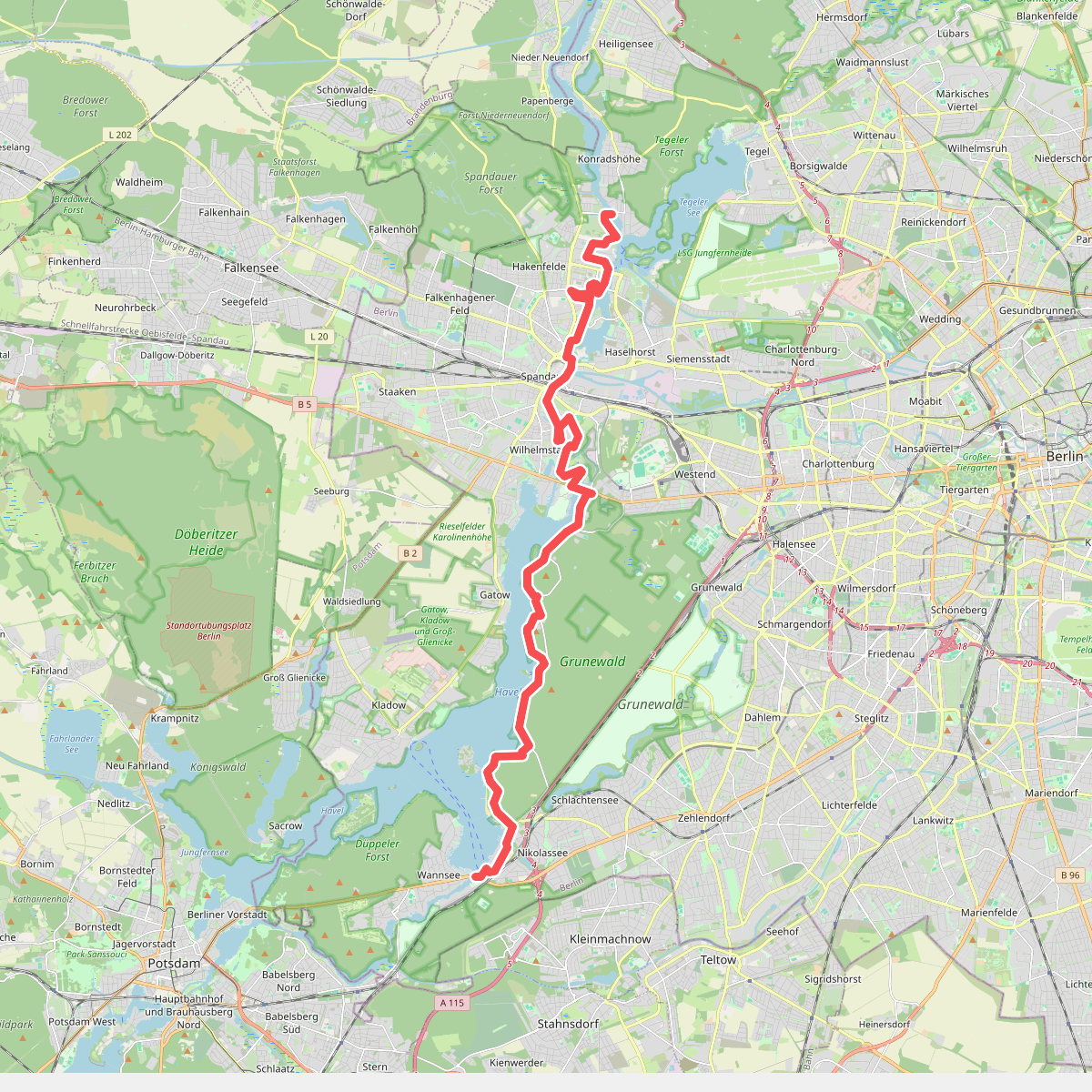
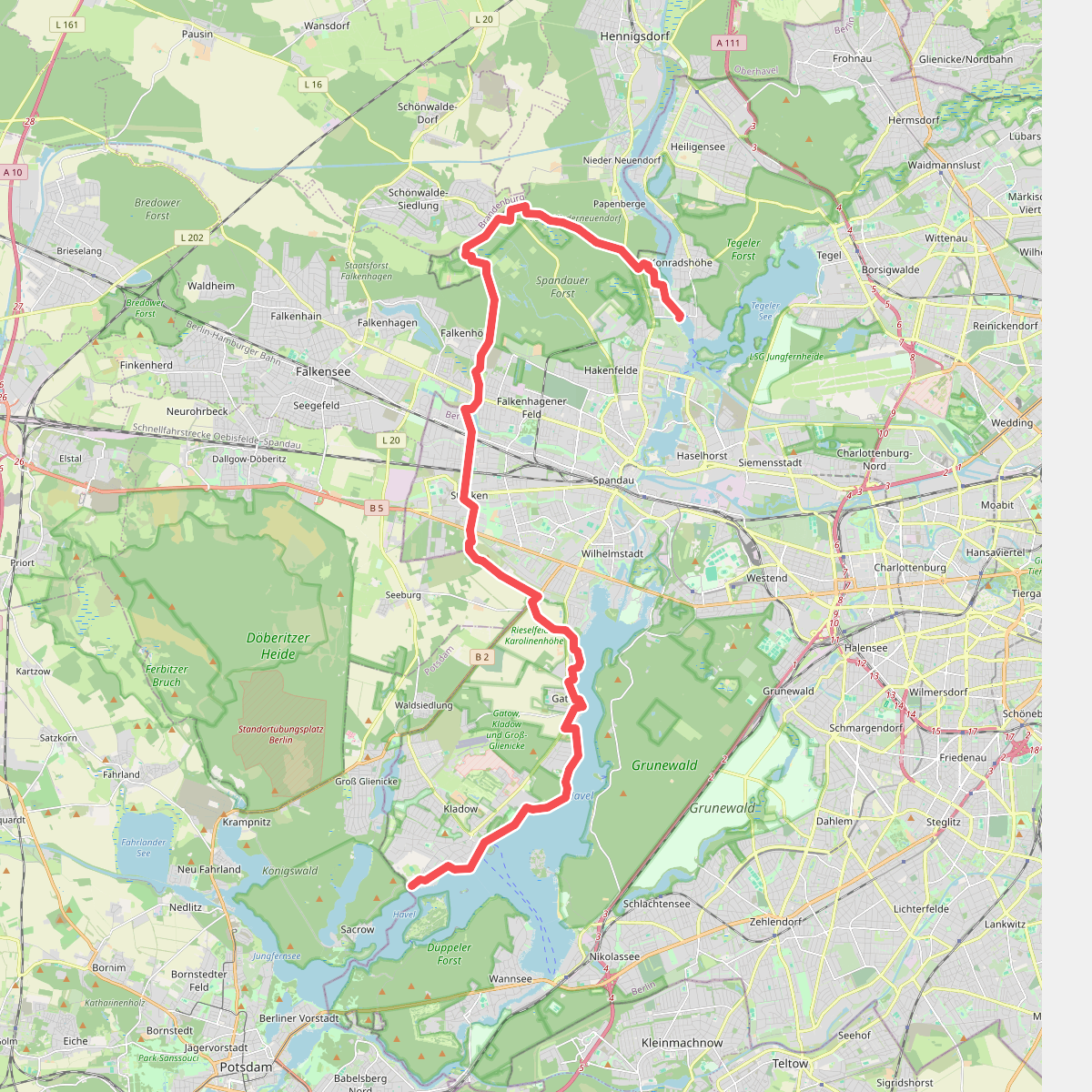
Discover the best walks in Spandauer Forst. 4 routes on the map, with descriptions, photos and GPX.
About Spandauer Forst
Spandauer Forst, situated on the northwestern edge of Berlin, offers a distinctively damp and enclosed woodland experience compared to the drier pine forests typical of the surrounding region. The landscape is defined by its low-lying, waterlogged character, where dense alder carrs and marshy meadows break up the mixed oak and beech canopy. Walking here means navigating a network of flat, damp forest tracks, occasional sandy paths, and sections that run alongside drainage ditches and small streams like the Kuhlake.
Read more
About Spandauer Forst
Spandauer Forst, situated on the northwestern edge of Berlin, offers a distinctively damp and enclosed woodland experience compared to the drier pine forests typical of the surrounding region. The landscape is defined by its low-lying, waterlogged character, where dense alder carrs and marshy meadows break up the mixed oak and beech canopy. Walking here means navigating a network of flat, damp forest tracks, occasional sandy paths, and sections that run alongside drainage ditches and small streams like the Kuhlake.
Read moreSpandauer Forst, situated on the northwestern edge of Berlin, offers a distinctively damp and enclosed woodland experience compared to the drier pine forests typical of the surrounding region. The landscape is defined by its low-lying, waterlogged character, where dense alder carrs and marshy meadows break up the mixed oak and beech canopy. Walking here means navigating a network of flat, damp forest tracks, occasional sandy paths, and sections that run alongside drainage ditches and small streams like the Kuhlake.
Because of the high water table, the underfoot conditions are noticeably soft, and some paths can be muddy. A key feature of the forest is the contrast between the dense, shadowy woodland interior and the open, wet meadows of the Teufelsbruch, a peat bog area where the vegetation opens up to reveal reeds and mosses. This is not a place for sweeping views or dry, sandy pine barrens, but rather a quiet, humid wetland forest where the sound of trickling water is rarely far away.
In late spring, around May, the marshy areas are particularly vibrant as the fresh green of the ferns and wetland plants emerges. The area is generally peaceful, though the paths closer to the edges and the game enclosures can be busier with local visitors. For those choosing a route, the main decision is between the wider, firmer forest roads and the narrower, rougher paths that skirt the wettest bogs.