

The best hiking routes in ZEC Carballido
Discover the best walks in ZEC Carballido. 3 routes on the map, with descriptions, photos and GPX.
Managed by Xunta de Galicia
About ZEC Carballido
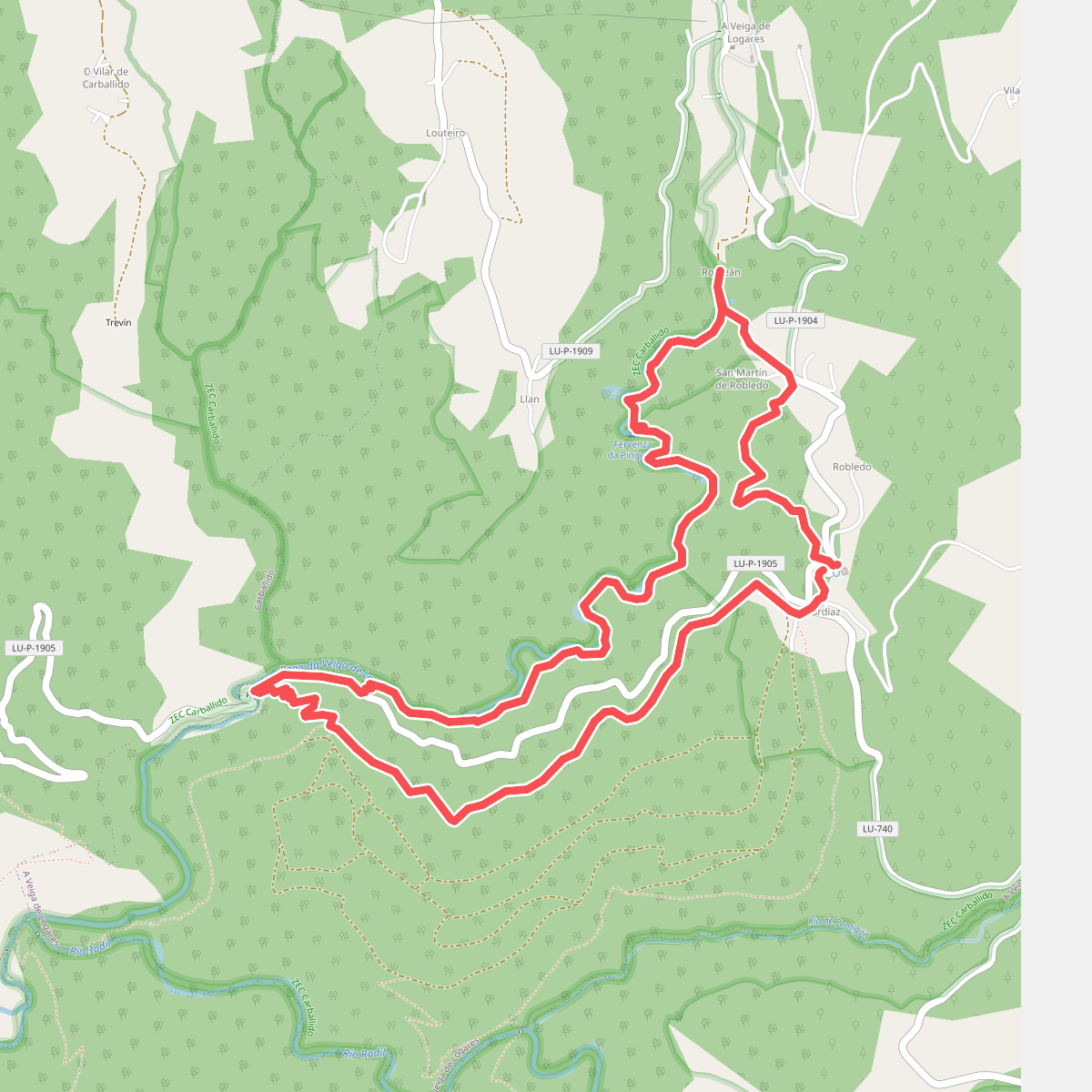
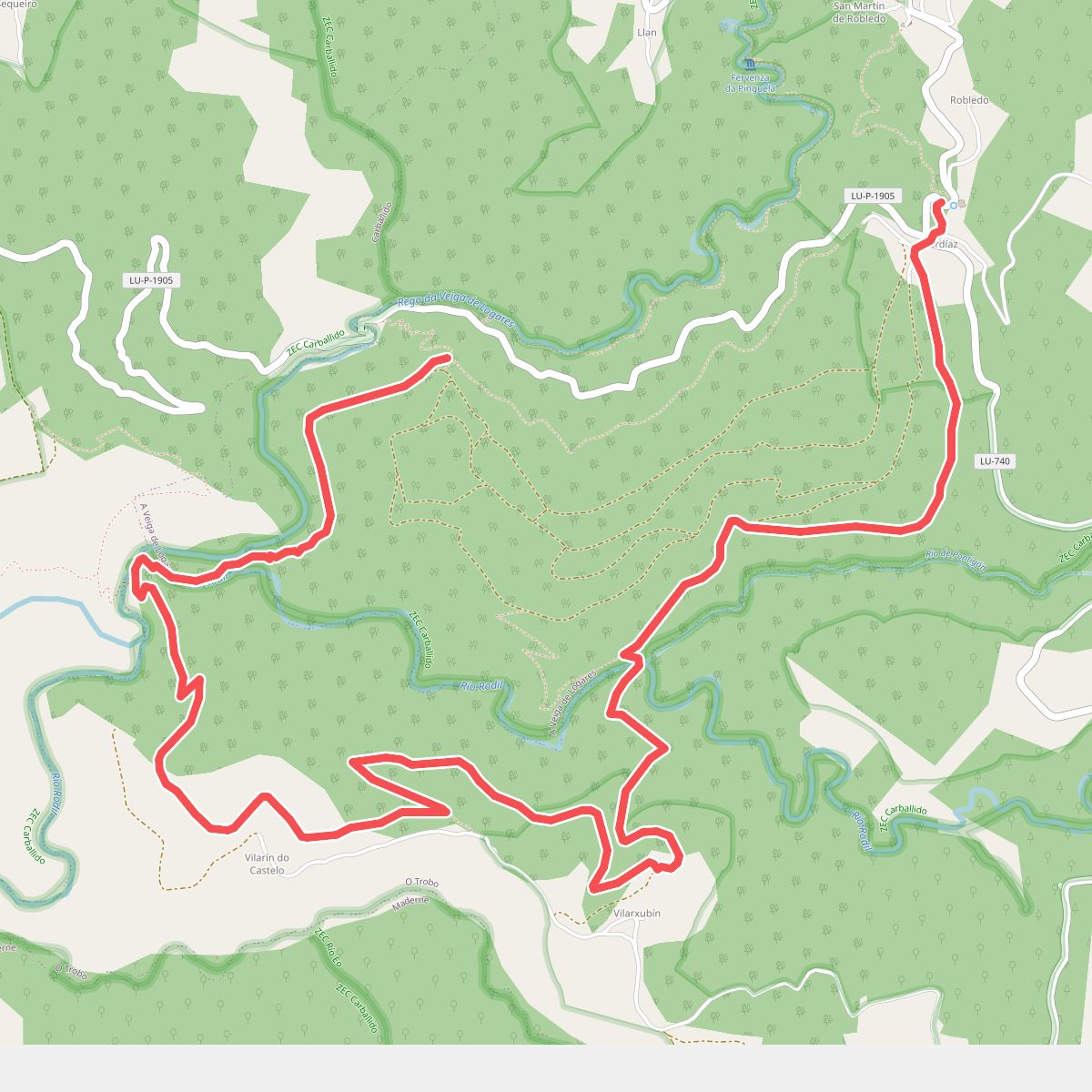
ZEC Carballido offers a walk through a damp, upland Atlantic forest environment in Galicia, dominated by deciduous oak woodlands and steep, rocky valleys. Unlike the flatter agricultural plains nearby, this protected area is defined by its rugged topography, where the Carballido river and its tributaries have carved deep, shaded ravines. Underfoot, walkers will find damp earth, moss-covered stone tracks, and leaf-littered paths that require careful stepping, especially near the active watercourses.
Read more
About ZEC Carballido
ZEC Carballido offers a walk through a damp, upland Atlantic forest environment in Galicia, dominated by deciduous oak woodlands and steep, rocky valleys. Unlike the flatter agricultural plains nearby, this protected area is defined by its rugged topography, where the Carballido river and its tributaries have carved deep, shaded ravines. Underfoot, walkers will find damp earth, moss-covered stone tracks, and leaf-littered paths that require careful stepping, especially near the active watercourses.
Read moreZEC Carballido offers a walk through a damp, upland Atlantic forest environment in Galicia, dominated by deciduous oak woodlands and steep, rocky valleys. Unlike the flatter agricultural plains nearby, this protected area is defined by its rugged topography, where the Carballido river and its tributaries have carved deep, shaded ravines. Underfoot, walkers will find damp earth, moss-covered stone tracks, and leaf-littered paths that require careful stepping, especially near the active watercourses.
The landscape is shaped by high humidity and constant water runoff, which you will notice in the dense growth of ferns, lichens, and mosses carpeting the tree trunks and granite boulders. The canopy is dense, meaning the walk is largely shaded and enclosed, focusing your attention on the immediate forest floor and the sound of rushing water rather than wide, open vistas. It is a terrain of small-scale geological features, where exposed rock faces and small waterfalls dictate the direction of the trails.
In November, the deciduous canopy thins, dropping a thick layer of rust-colored leaves onto the wet paths and revealing the stark shapes of the ancient oaks. Walkers should expect a quiet, damp forest experience with moderate elevation changes along forestry tracks, rather than high mountain peaks or manicured park pathways.