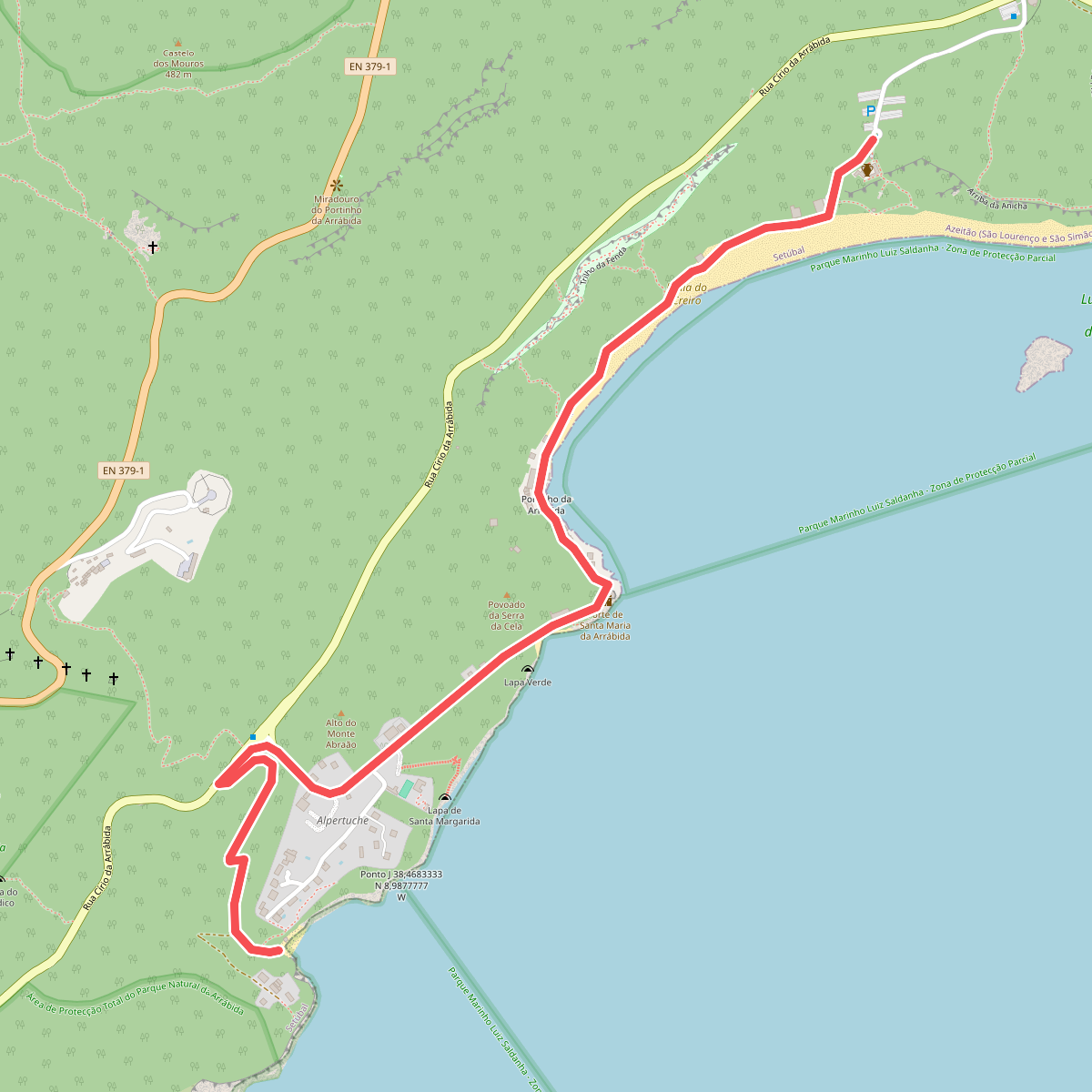
The best hiking routes in Arrábida-Espichel
Discover the best walks in Arrábida-Espichel. 13 routes on the map, with descriptions, photos and GPX.
Managed by Instituto da Conservação da Natureza e das Florestas
About Arrábida-Espichel
The Arrábida-Espichel protected area presents a stark contrast between two distinct geological formations. In the eastern sector, the Serra da Arrábida rises as a steep limestone ridge covered in dense, Mediterranean maquis shrubland and ancient evergreen forests. Walking here involves navigating rocky, uneven limestone paths with significant elevation changes, where the vegetation often closes in to form shaded canopy tunnels. The underfoot terrain is sharp and stony, requiring stable footwear to negotiate the loose scree and karst pavements.
Read more
About Arrábida-Espichel
The Arrábida-Espichel protected area presents a stark contrast between two distinct geological formations. In the eastern sector, the Serra da Arrábida rises as a steep limestone ridge covered in dense, Mediterranean maquis shrubland and ancient evergreen forests. Walking here involves navigating rocky, uneven limestone paths with significant elevation changes, where the vegetation often closes in to form shaded canopy tunnels. The underfoot terrain is sharp and stony, requiring stable footwear to negotiate the loose scree and karst pavements.
Read moreThe Arrábida-Espichel protected area presents a stark contrast between two distinct geological formations. In the eastern sector, the Serra da Arrábida rises as a steep limestone ridge covered in dense, Mediterranean maquis shrubland and ancient evergreen forests. Walking here involves navigating rocky, uneven limestone paths with significant elevation changes, where the vegetation often closes in to form shaded canopy tunnels. The underfoot terrain is sharp and stony, requiring stable footwear to negotiate the loose scree and karst pavements.
To the west, the landscape flattens into the windswept plateau of Cabo Espichel. Here, the limestone gives way to sandstone and clay cliffs, and the dense forest thins out into low, salt-tolerant scrub and coastal heaths. The tracks become wider, sandy, and more level, though they are highly exposed to the Atlantic. This western portion is characterized by fossil-rich cliffs and deep ravines that cut down to the sea, offering a much flatter but more barren walking experience compared to the forested slopes of the east.
Walkers should expect a rugged coastal environment rather than manicured parkland. There are no high mountain peaks or deep inland river valleys, but rather a transition from dense, shaded limestone scrub to open, sandy coastal clifftops. While the main tracks near the sanctuary of Cabo Espichel and the beaches of Portinho da Arrábida are wide and easy to follow, the interior footpaths are often narrow, overgrown with prickly gorse, and marked only by occasional stone cairns.
Hiking routes in Arrábida-Espichel (13)
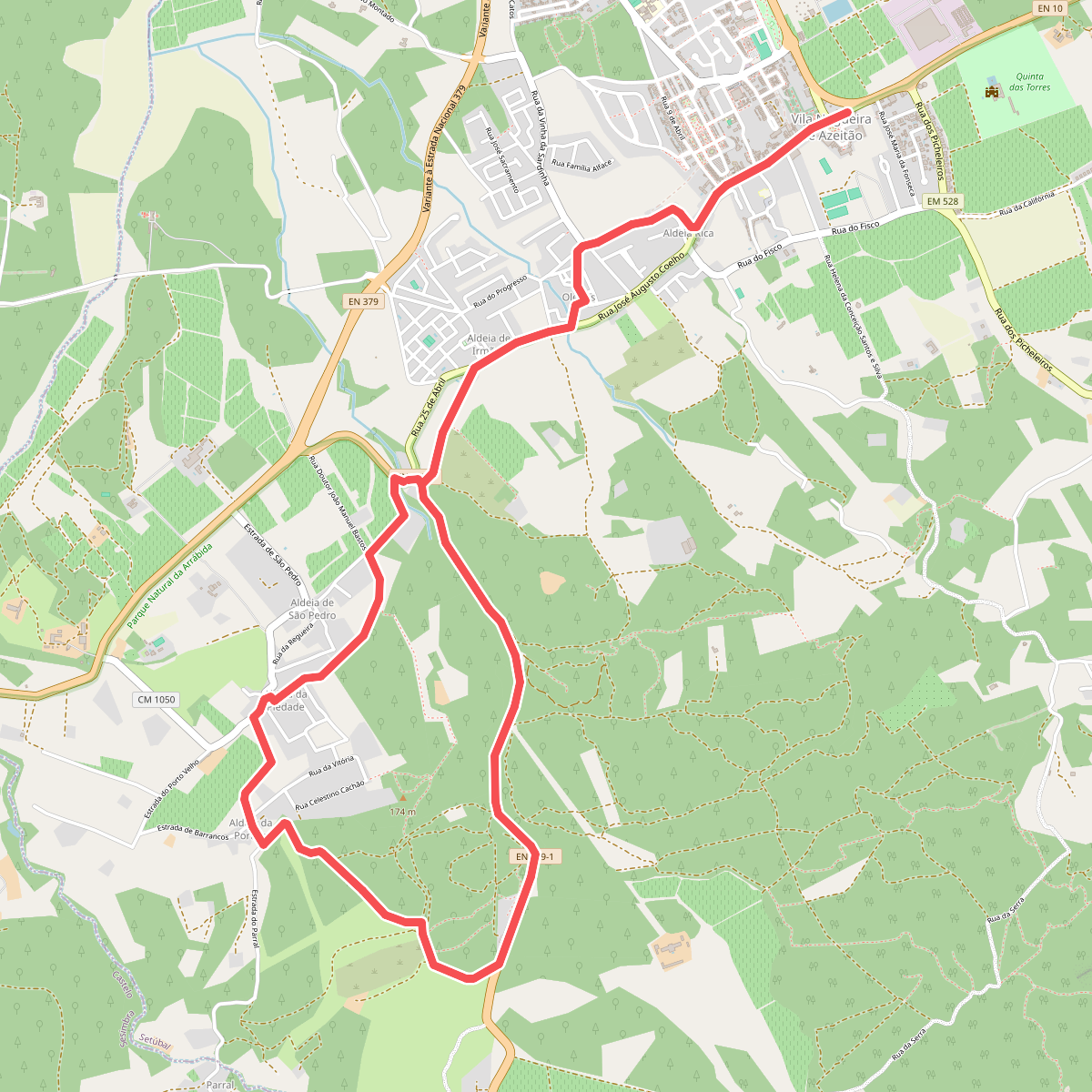
#1. Aldeias de Azeitão (Curto)
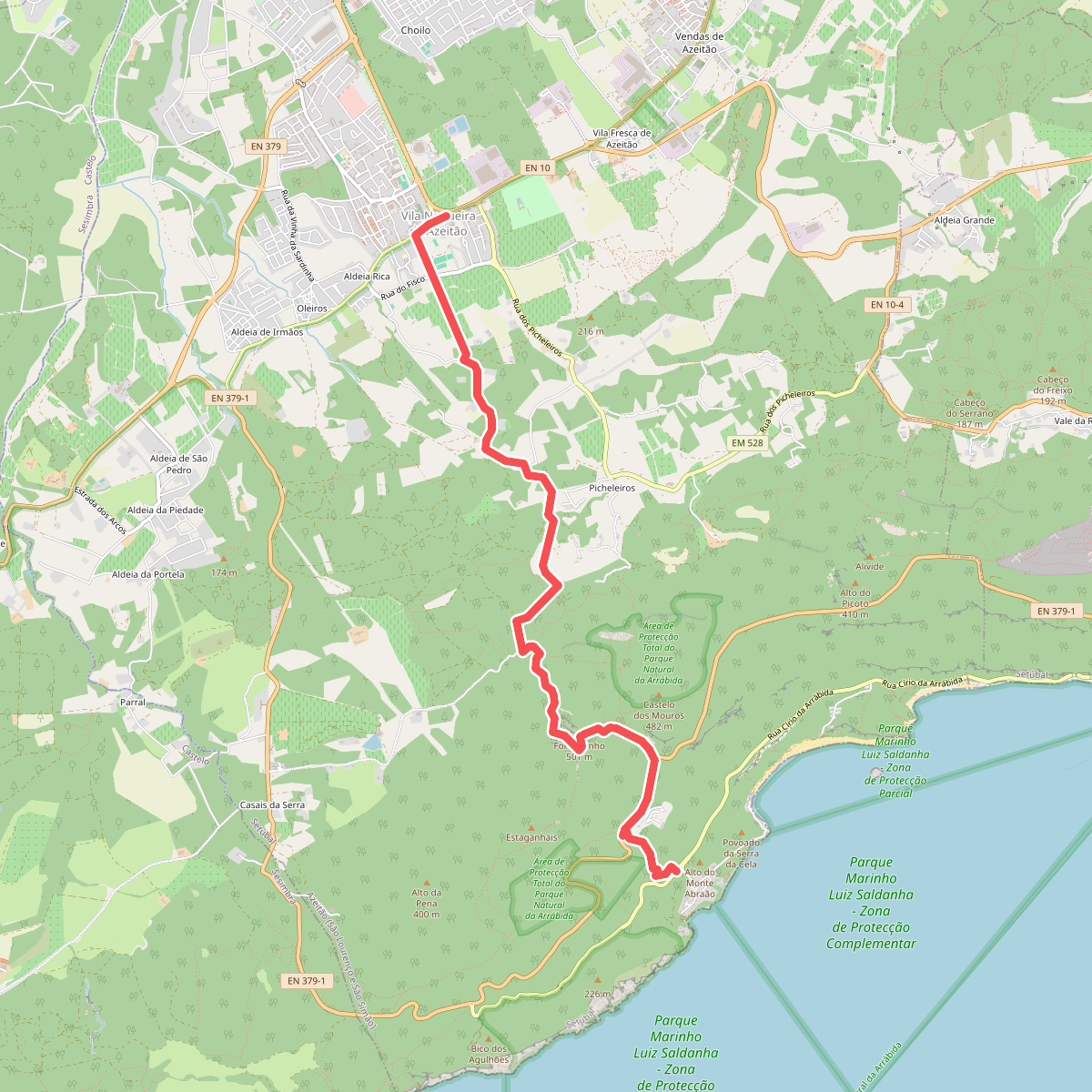
#2. Alto do Formosinho
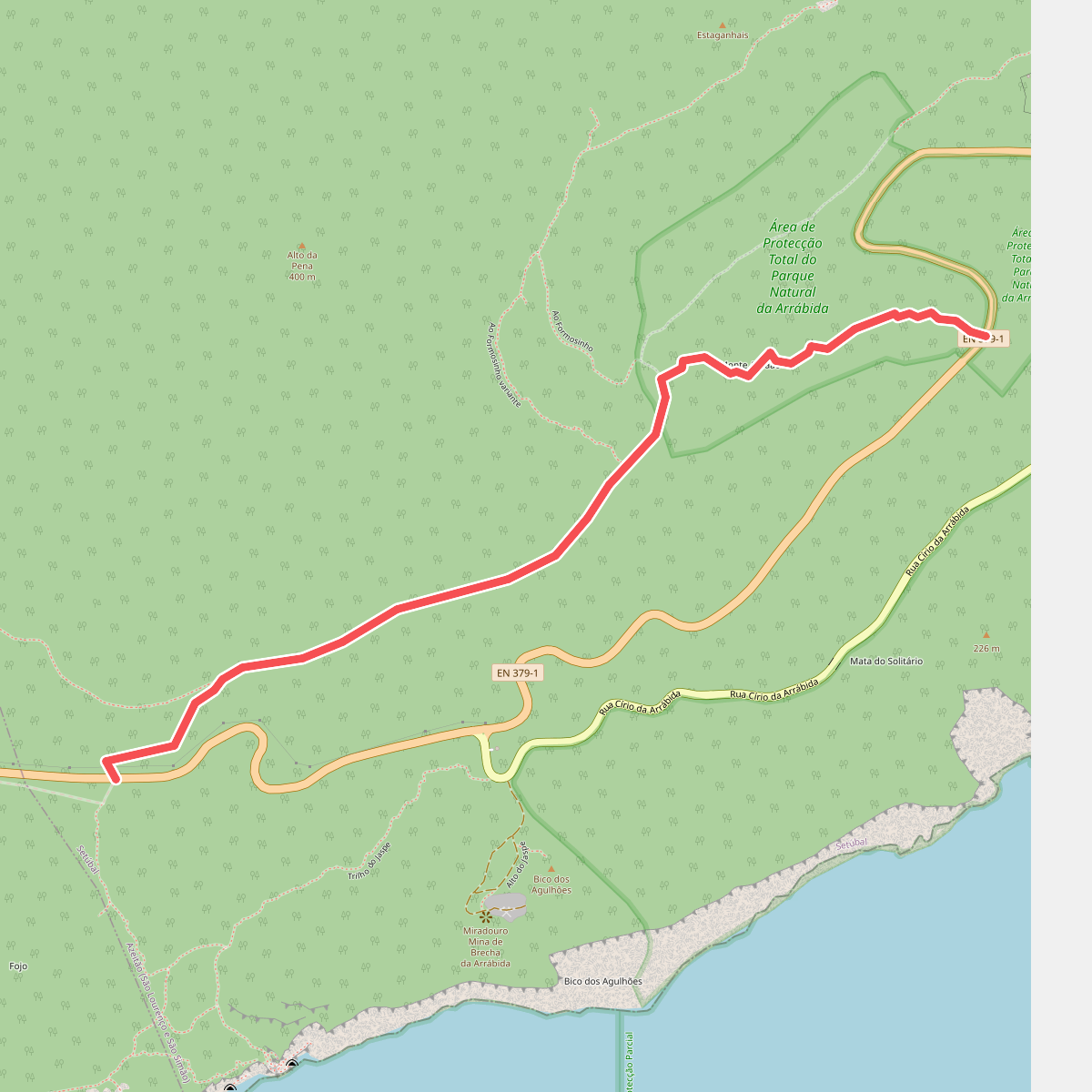
#3. Caminho das 3 Cruzes
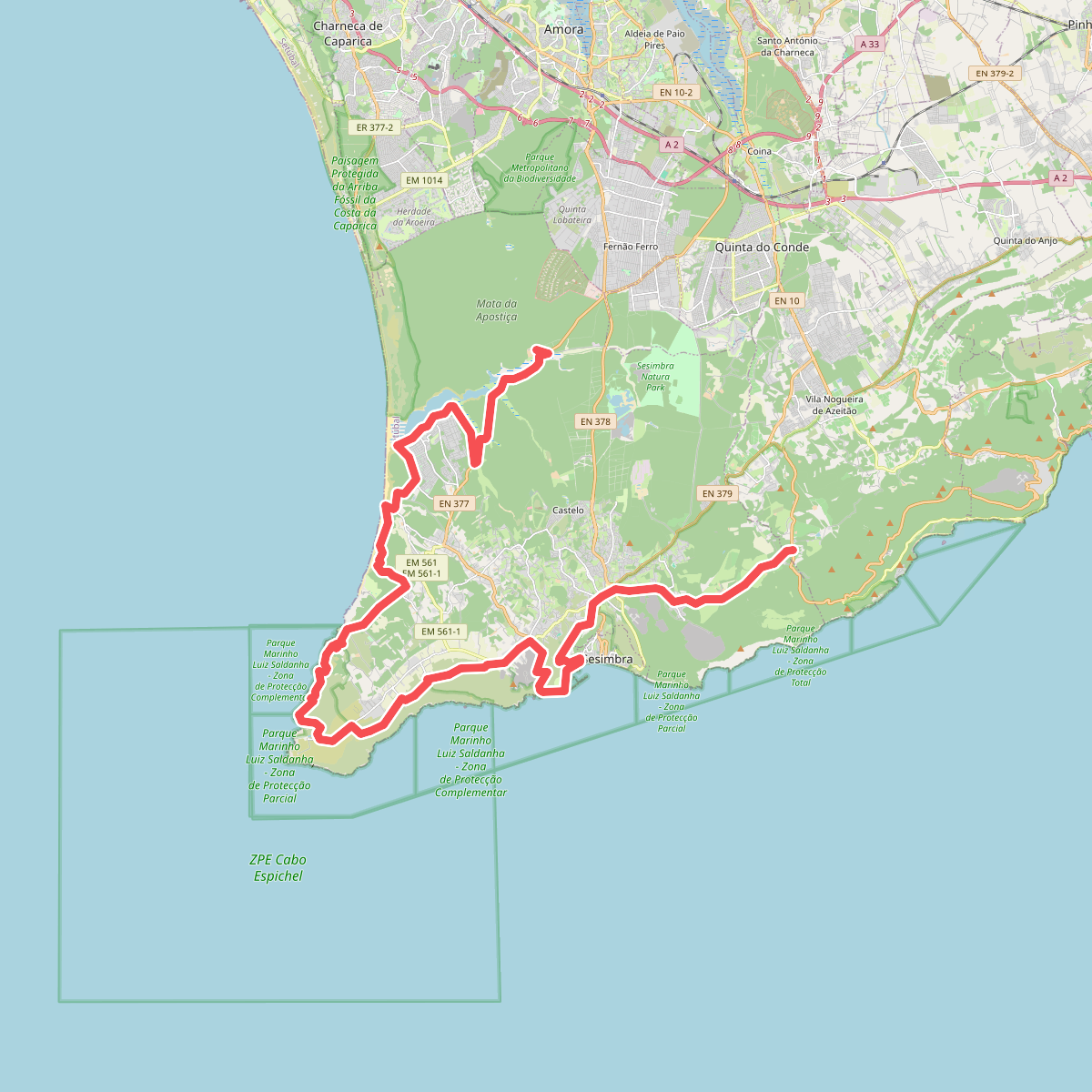
#4. Caminho do Atlântico (Troço Concelho Sesimbra)
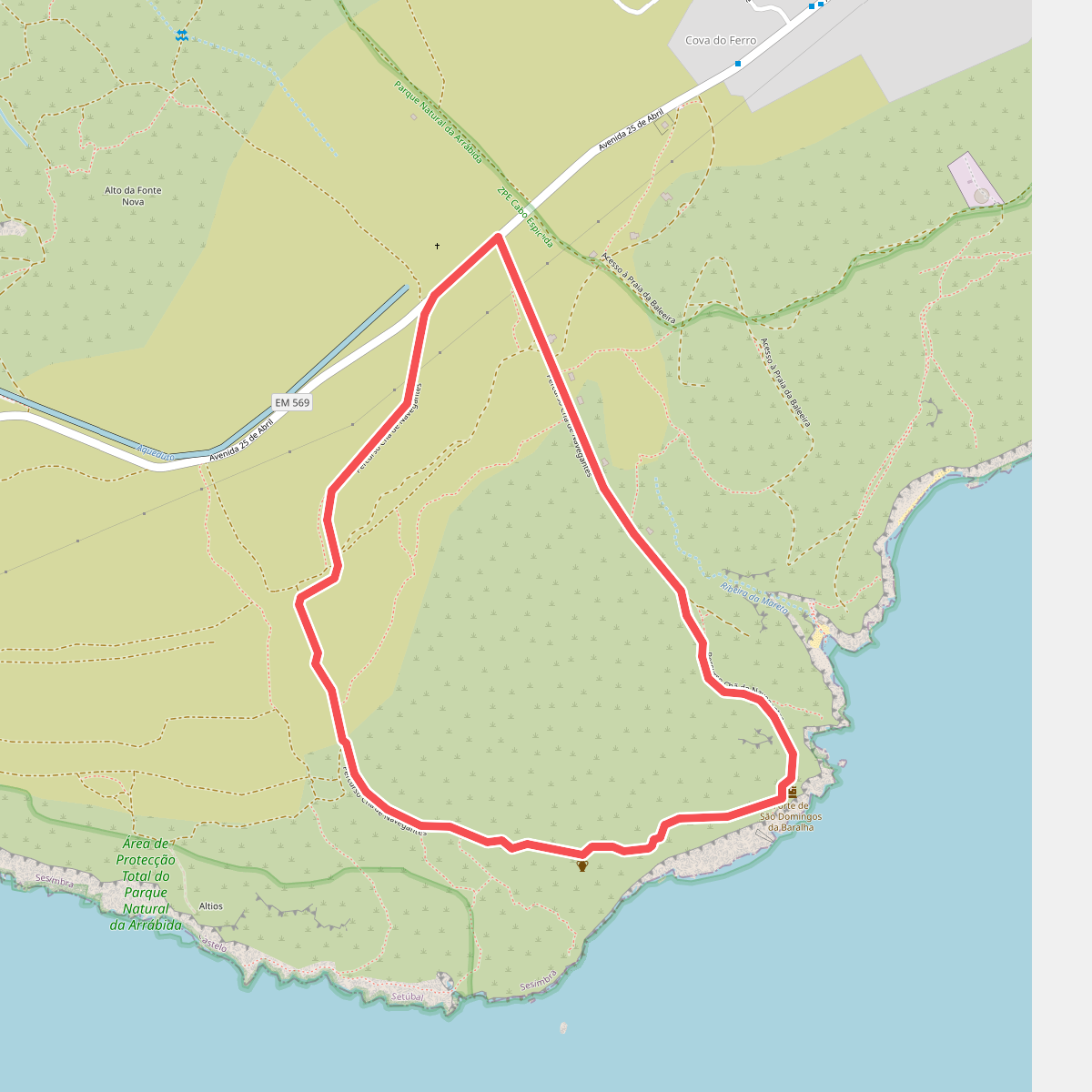
#5. Chã dos Navegantes
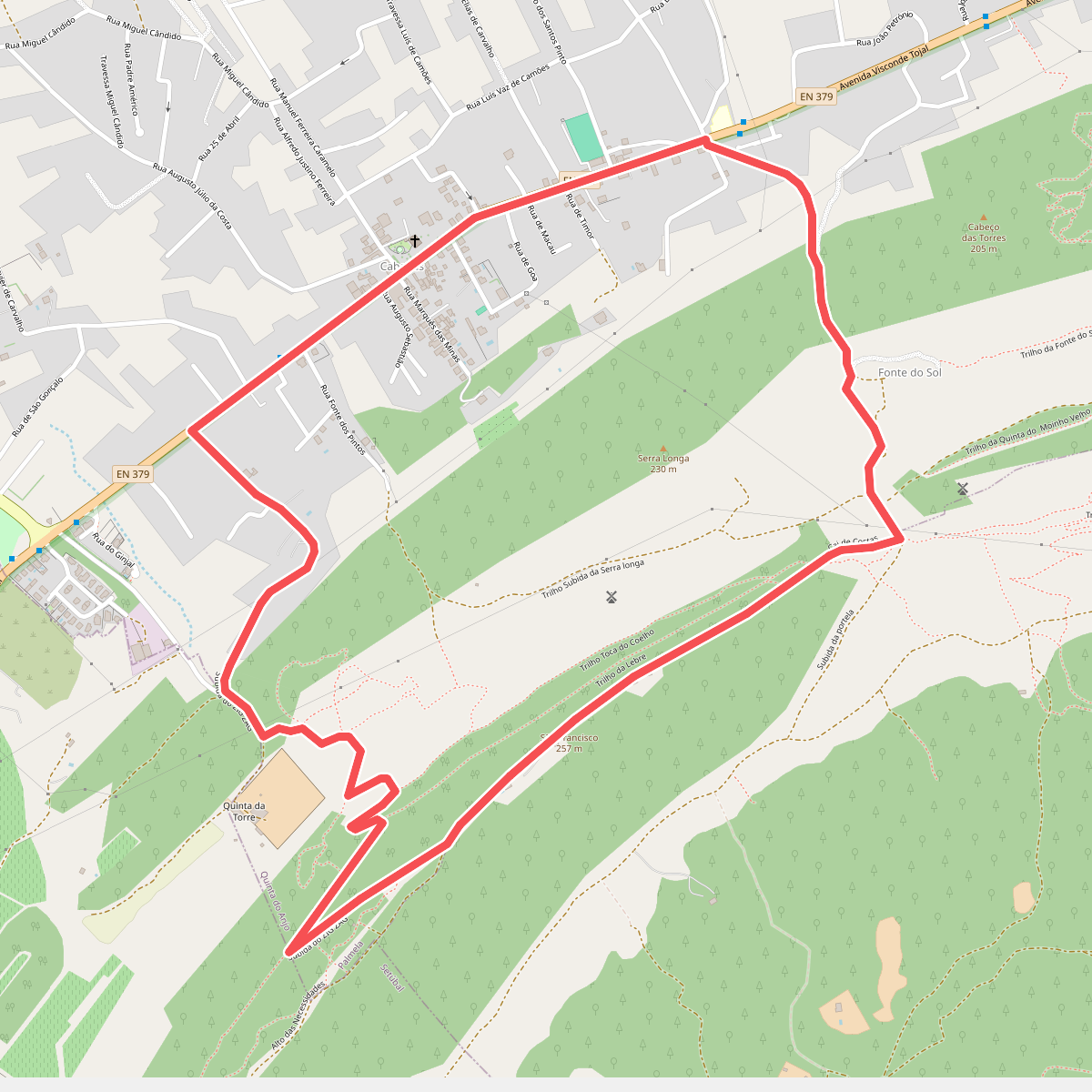
#6. De Cabanas à Serra de São Francisco
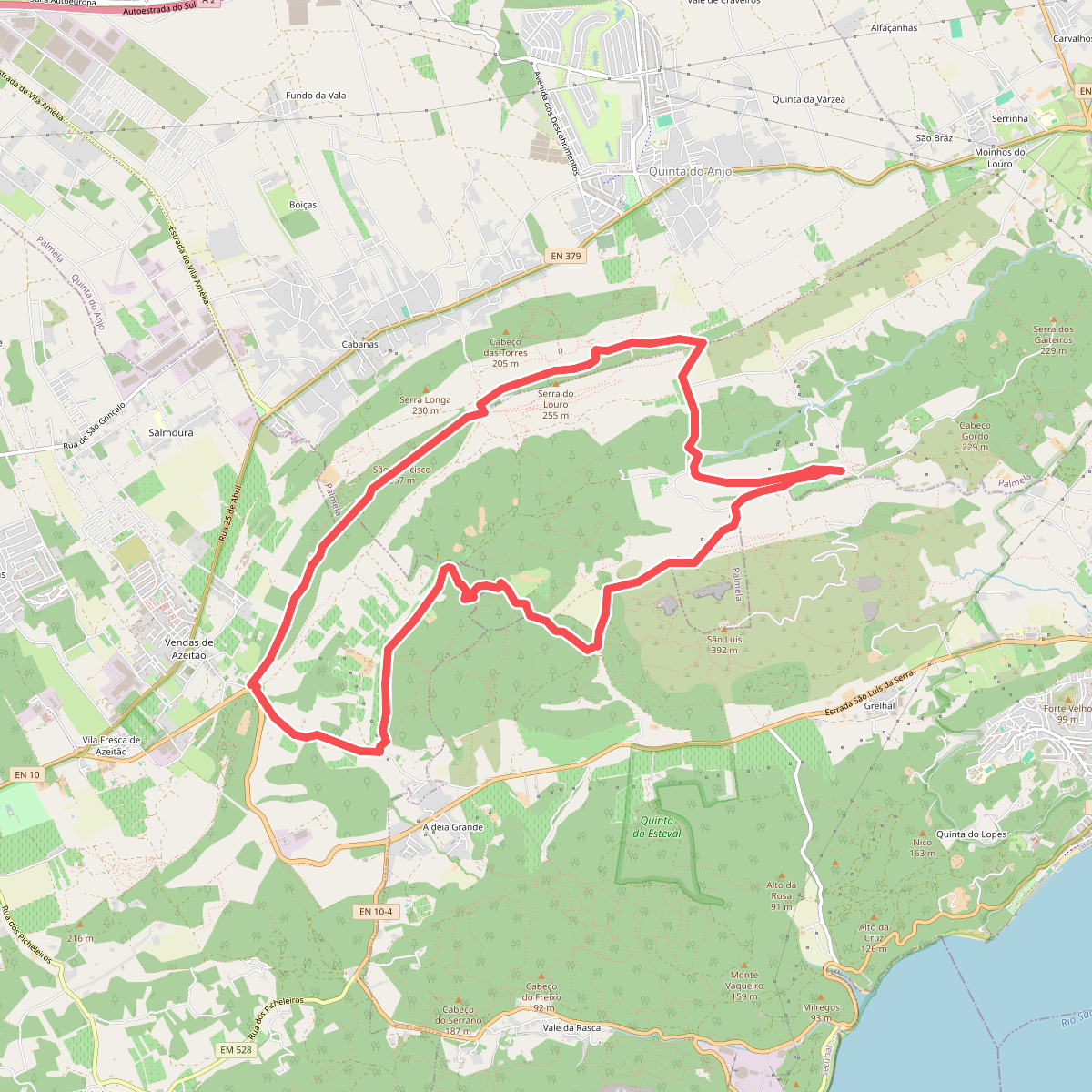
#7. De São Luis ao Vale de Alcube
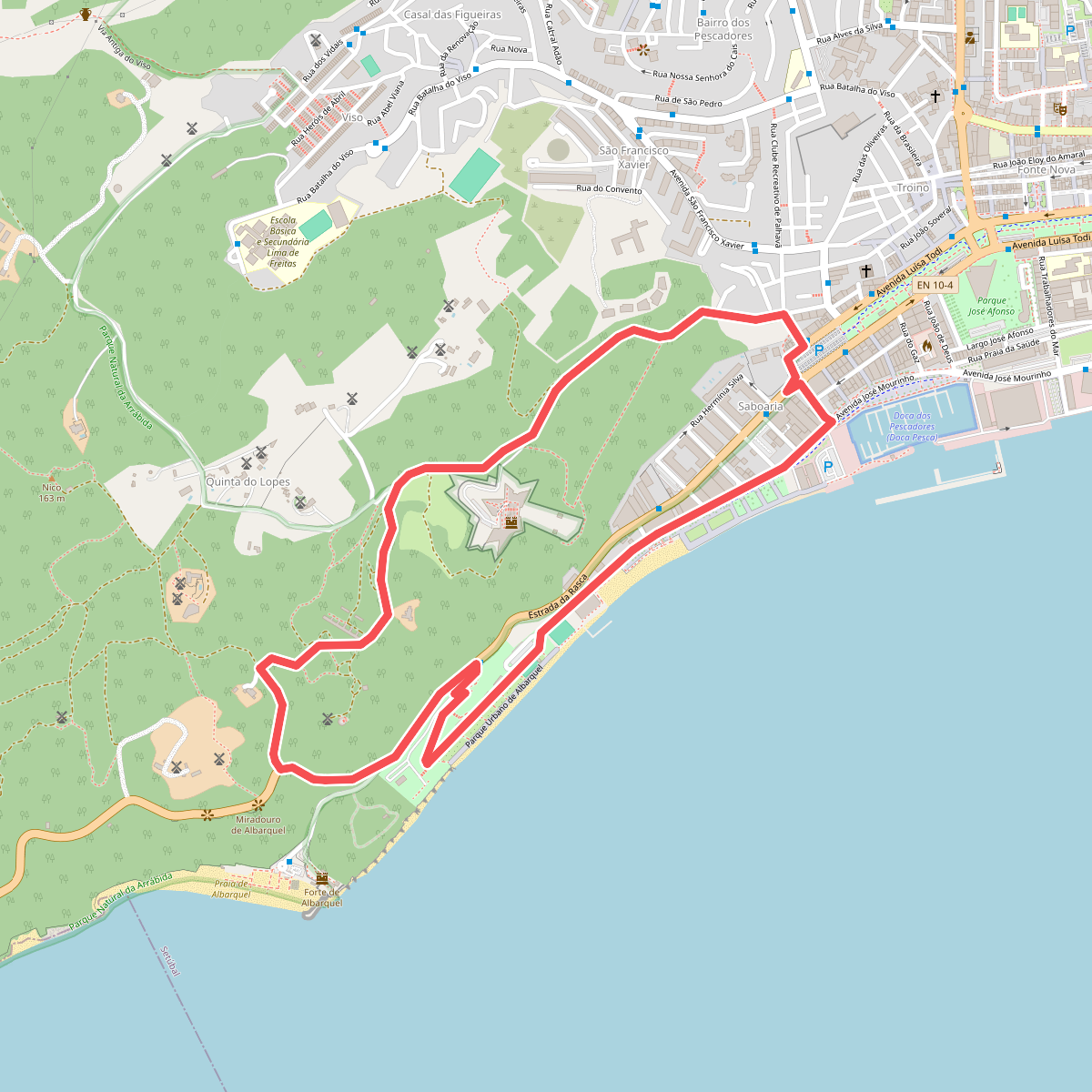
#8. Encostas de São Filipe
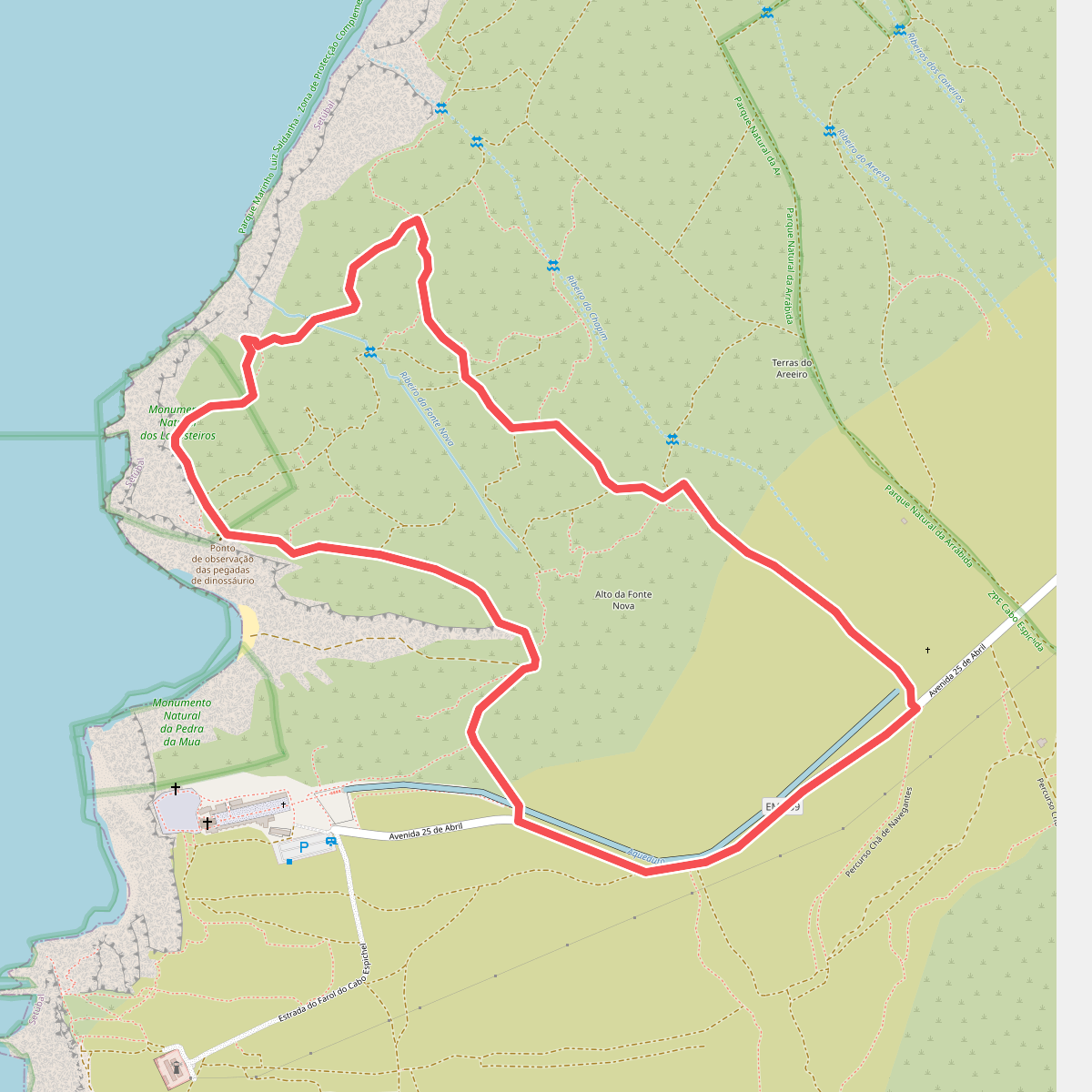
#9. Maravilhas do Cabo
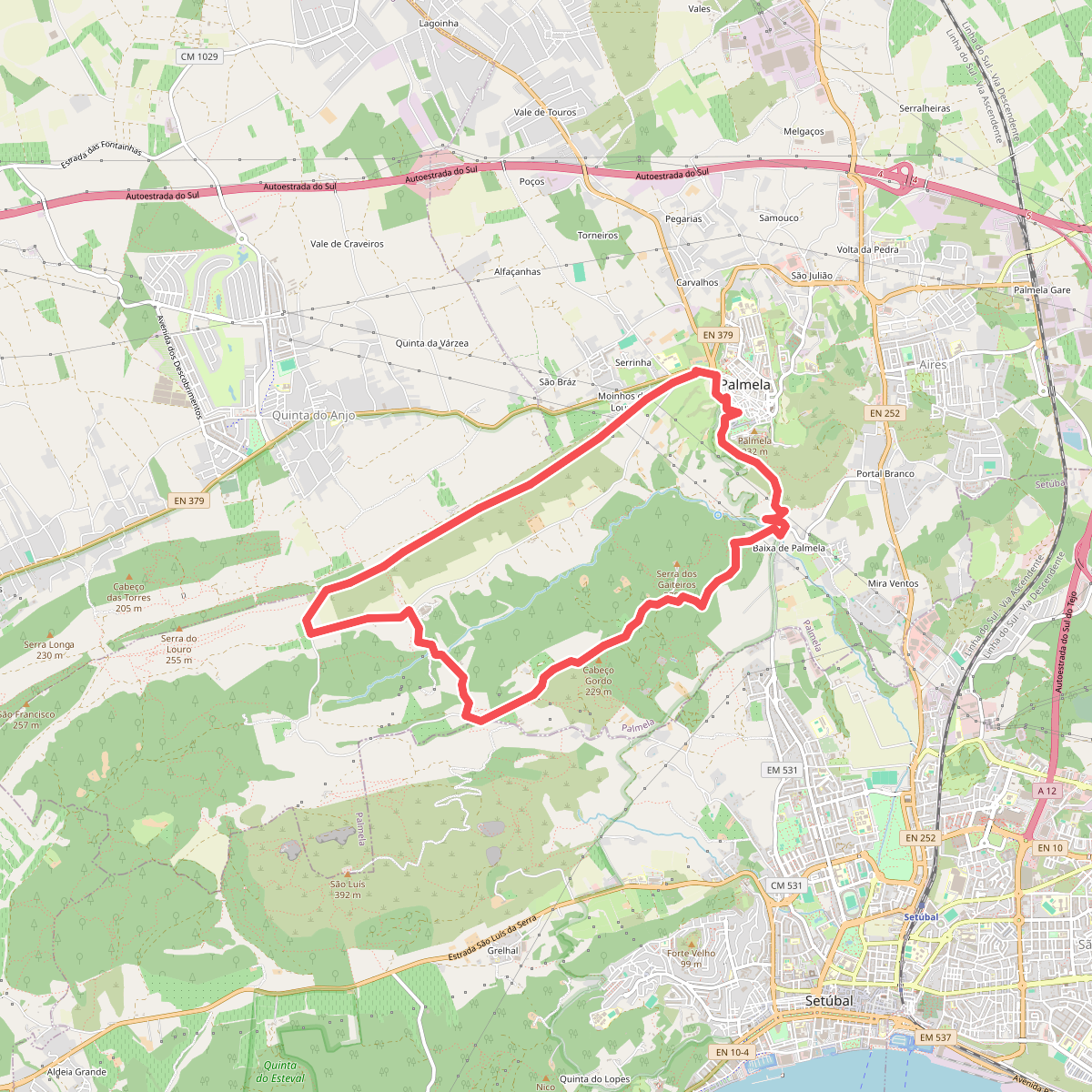
#10. Nas Encostas de Palmela
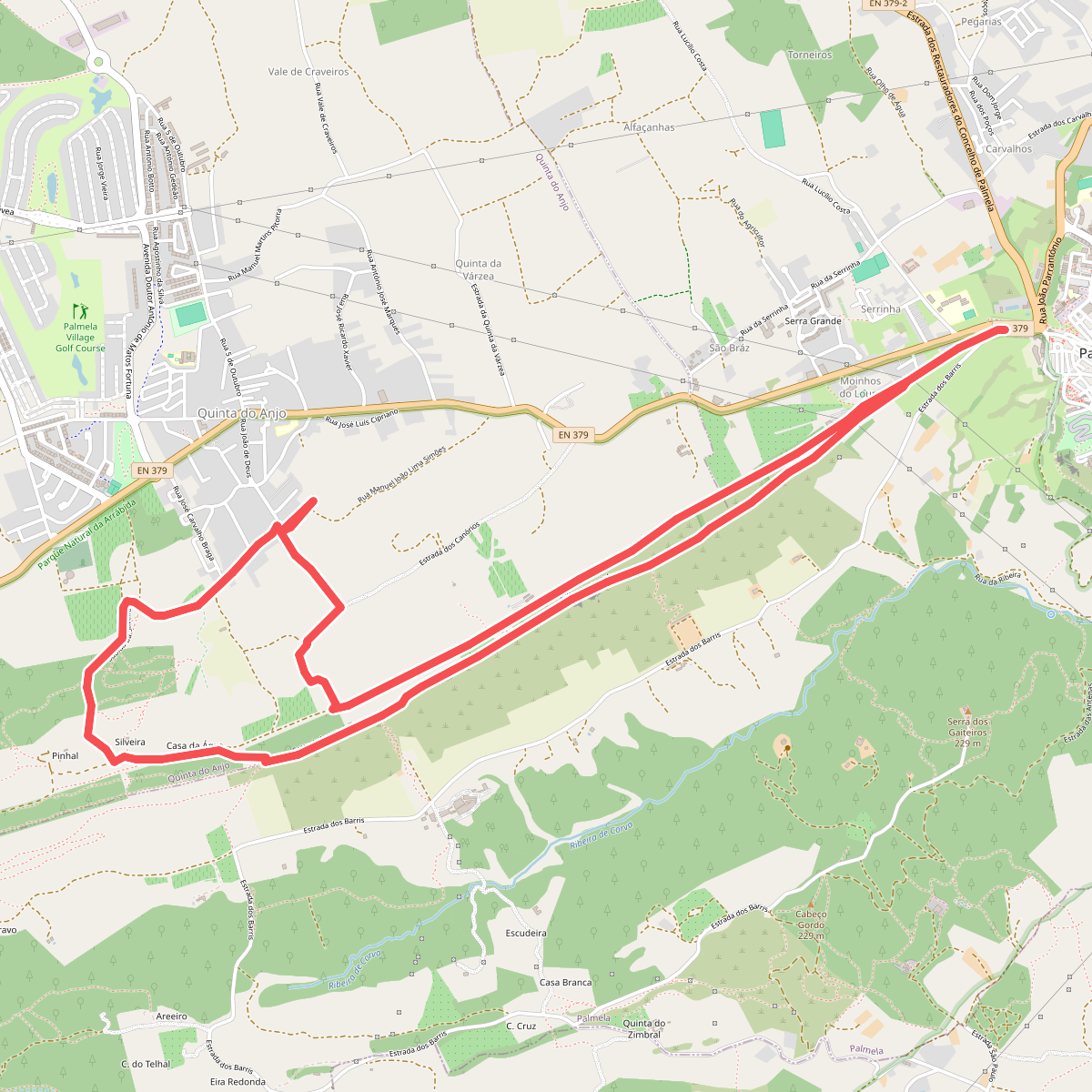
#11. Pela Serra do Louro