

The best hiking routes in Buch
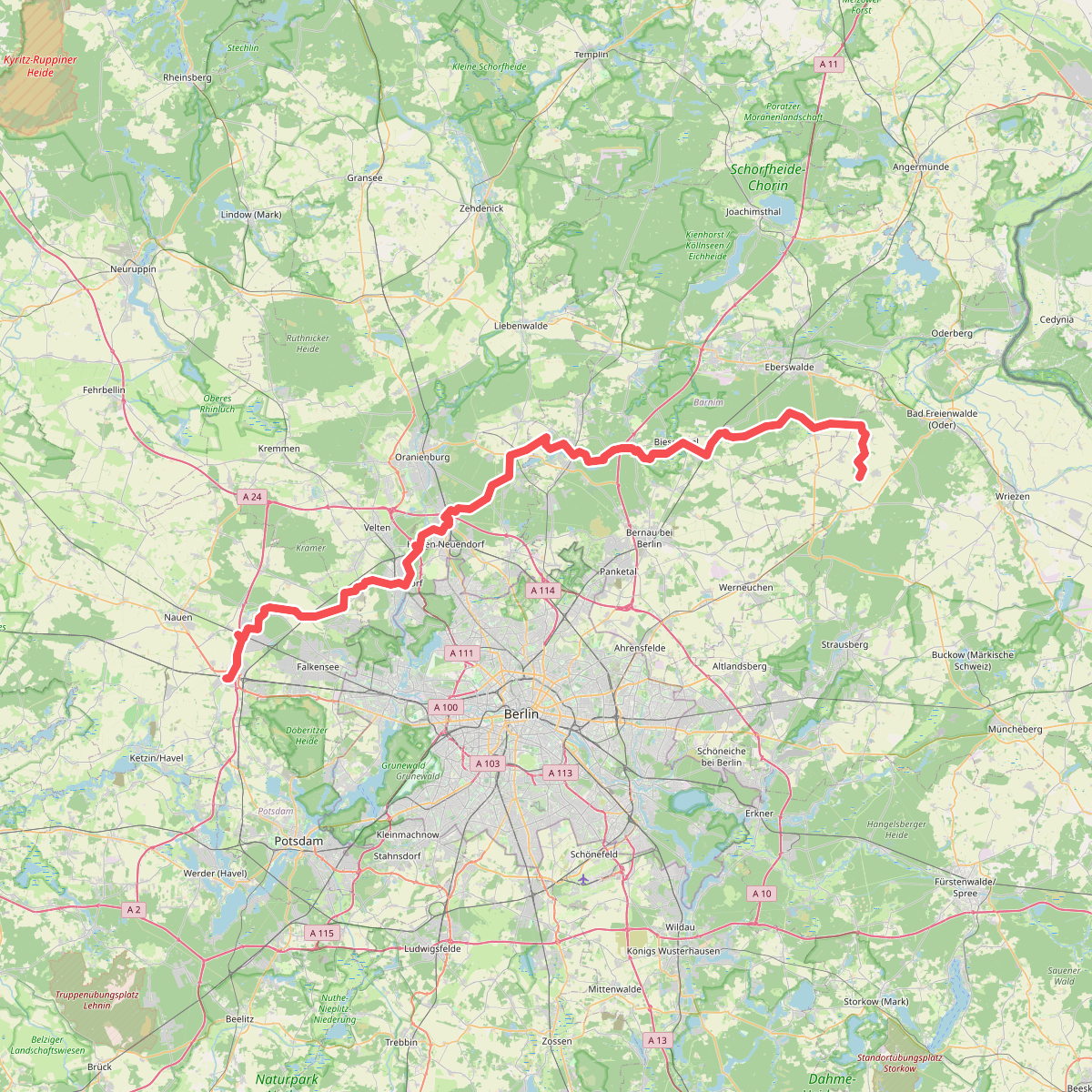
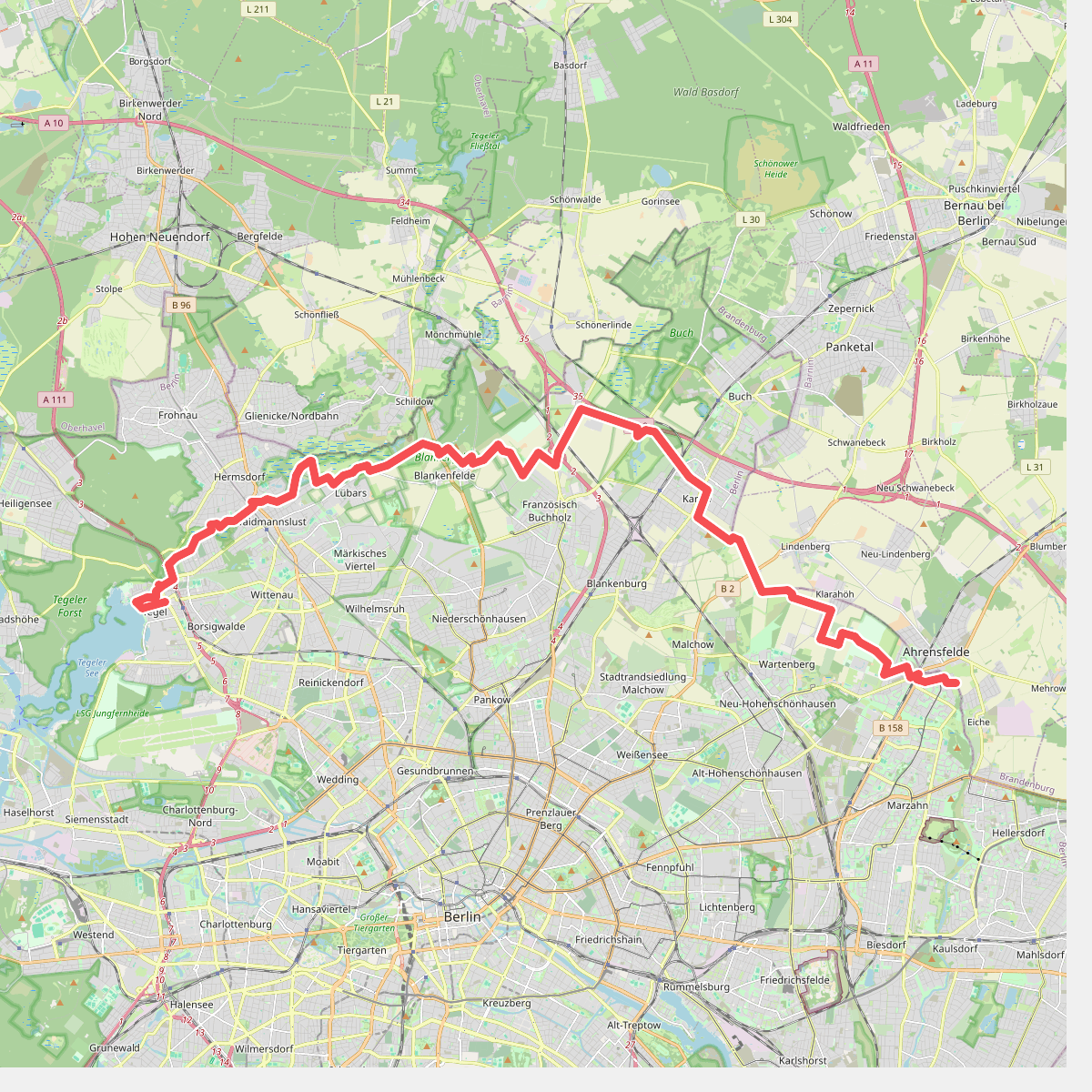
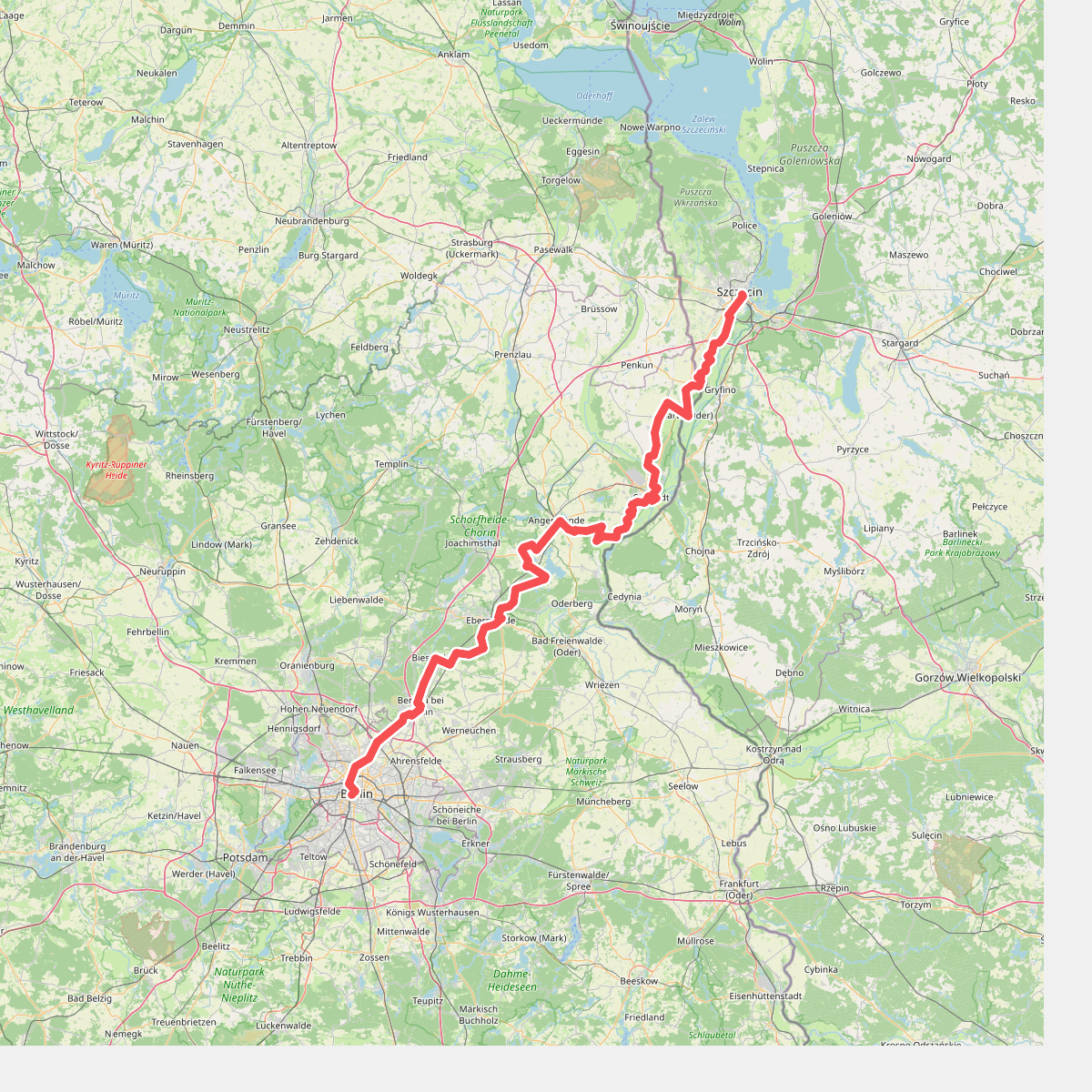
Discover the best walks in Buch. 6 routes on the map, with descriptions, photos and GPX.
About Buch
Buch offers a distinct walking landscape dominated by a mix of damp birch woodlands, open marshy meadows, and reclaimed agricultural fields. Unlike the dry pine forests found in neighboring districts, this area is defined by its flat, low-lying character and a network of drainage ditches that segment the terrain. Walkers will notice how the soil transitions quickly from damp, dark peat near the stream beds to firmer clay along the farm tracks, reflecting the local history of small-scale drainage and peat cutting.
Read more
About Buch
Buch offers a distinct walking landscape dominated by a mix of damp birch woodlands, open marshy meadows, and reclaimed agricultural fields. Unlike the dry pine forests found in neighboring districts, this area is defined by its flat, low-lying character and a network of drainage ditches that segment the terrain. Walkers will notice how the soil transitions quickly from damp, dark peat near the stream beds to firmer clay along the farm tracks, reflecting the local history of small-scale drainage and peat cutting.
Read moreBuch offers a distinct walking landscape dominated by a mix of damp birch woodlands, open marshy meadows, and reclaimed agricultural fields. Unlike the dry pine forests found in neighboring districts, this area is defined by its flat, low-lying character and a network of drainage ditches that segment the terrain. Walkers will notice how the soil transitions quickly from damp, dark peat near the stream beds to firmer clay along the farm tracks, reflecting the local history of small-scale drainage and peat cutting.
Underfoot, the paths are a mix of grassy dikes, unpaved farm lanes, and occasional muddy tracks through the trees. There are no boardwalks or paved promenades here, so walkers should expect rustic, sometimes uneven terrain that follows the natural contours of the drainage network. The landscape is open but punctuated by thick hedgerows and rows of pollard willows that act as windbreaks between the small plots of land.
This area is best suited for those who appreciate quiet, agricultural countryside rather than dramatic wilderness or deep forests. It lacks any significant elevation changes, offering instead a completely flat walking experience where the interest lies in the subtle shifts between damp woodland edges and open pastures. While the main tracks near the village edges see regular local use, the deeper paths through the damp meadows are often much quieter.