

The best hiking routes in Cerro da Cabeça
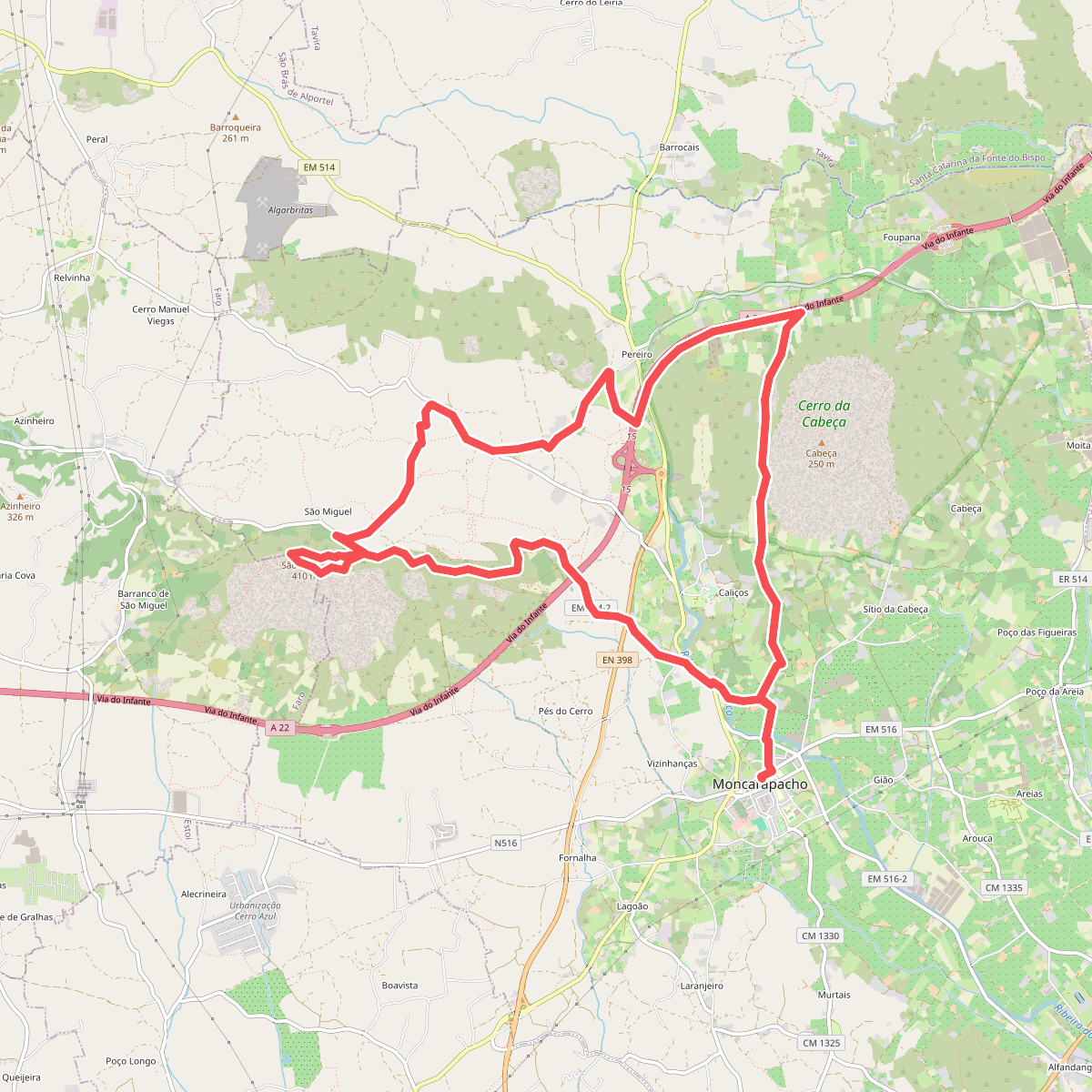
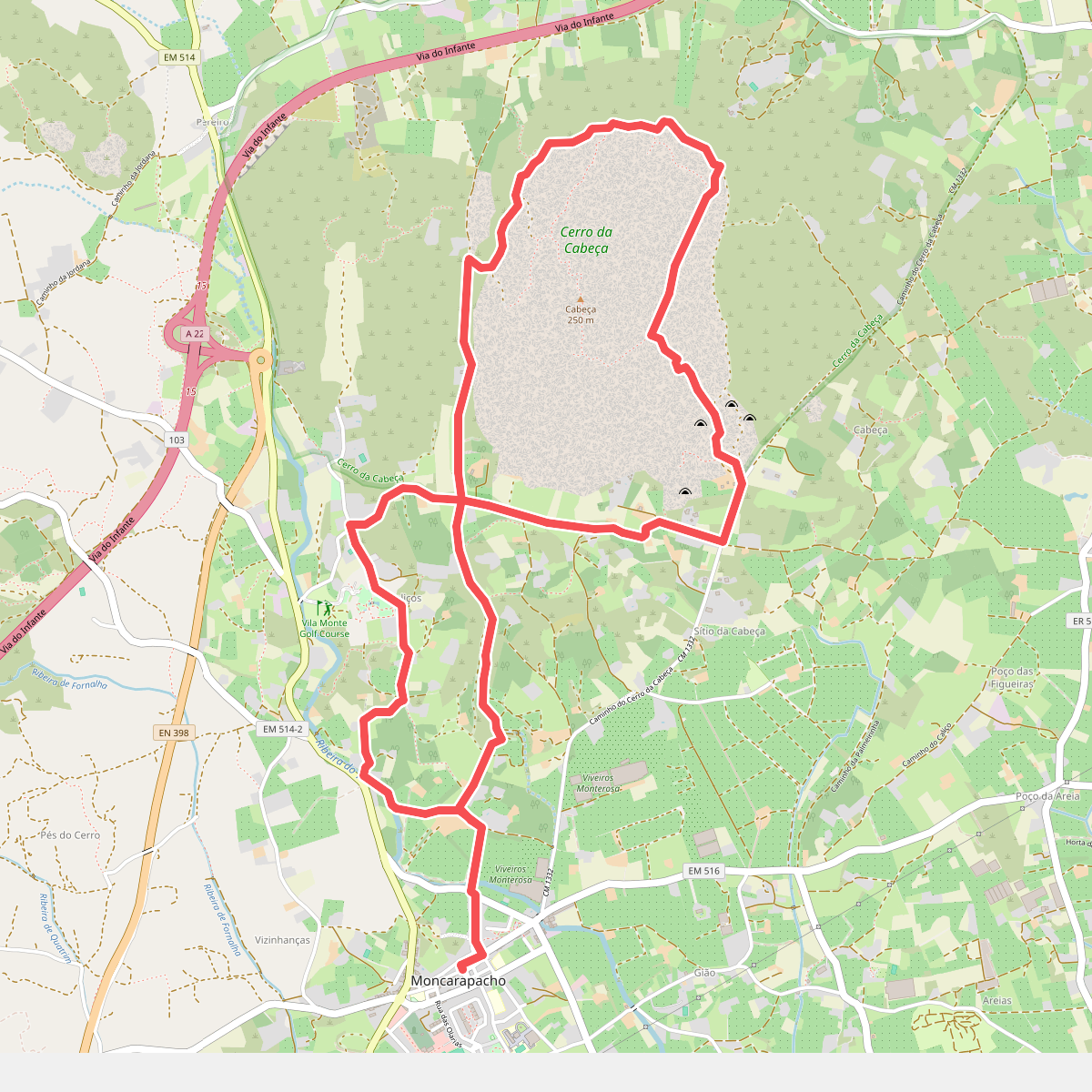
Discover the best walks in Cerro da Cabeça. 2 routes on the map, with descriptions, photos and GPX.
Managed by ICNF
About Cerro da Cabeça
Cerro da Cabeça is a limestone hill in the eastern Algarve that offers a stark contrast to the surrounding coastal plains. The landscape here is dominated by karst topography, where rainwater has dissolved the rock over millennia to create a labyrinth of sharp limestone pavement, deep fissures, and craggy outcrops. Unlike the sandy beaches nearby, the ground underfoot here is rugged, uneven, and stony, requiring careful stepping along narrow, rocky footpaths that wind through the dense Mediterranean scrub.
Read more
About Cerro da Cabeça
Cerro da Cabeça is a limestone hill in the eastern Algarve that offers a stark contrast to the surrounding coastal plains. The landscape here is dominated by karst topography, where rainwater has dissolved the rock over millennia to create a labyrinth of sharp limestone pavement, deep fissures, and craggy outcrops. Unlike the sandy beaches nearby, the ground underfoot here is rugged, uneven, and stony, requiring careful stepping along narrow, rocky footpaths that wind through the dense Mediterranean scrub.
Read moreCerro da Cabeça is a limestone hill in the eastern Algarve that offers a stark contrast to the surrounding coastal plains. The landscape here is dominated by karst topography, where rainwater has dissolved the rock over millennia to create a labyrinth of sharp limestone pavement, deep fissures, and craggy outcrops. Unlike the sandy beaches nearby, the ground underfoot here is rugged, uneven, and stony, requiring careful stepping along narrow, rocky footpaths that wind through the dense Mediterranean scrub.
As you climb, the vegetation changes from olive and carob trees at the base to low, aromatic shrubs like rosemary and gorse that cling to the bare rock. The area is not a place for wide, flat strolls or easy boardwalks; it is a steep, compact climb where the geological formations are the main focus. You will notice how the grey limestone has been sculpted into bizarre shapes, with small caves and sinkholes visible directly from the trail.
This reserve is best suited for walkers who prefer rugged, natural terrain over manicured paths and want to understand the limestone geology of the region. The trails can feel enclosed by the dense vegetation and rock walls, offering a more intimate, sheltered experience than the open salt marshes of the coast. It is a quiet, rocky ascent where the focus remains on the geology underfoot.