The best hiking routes in Cornwall National Landscape
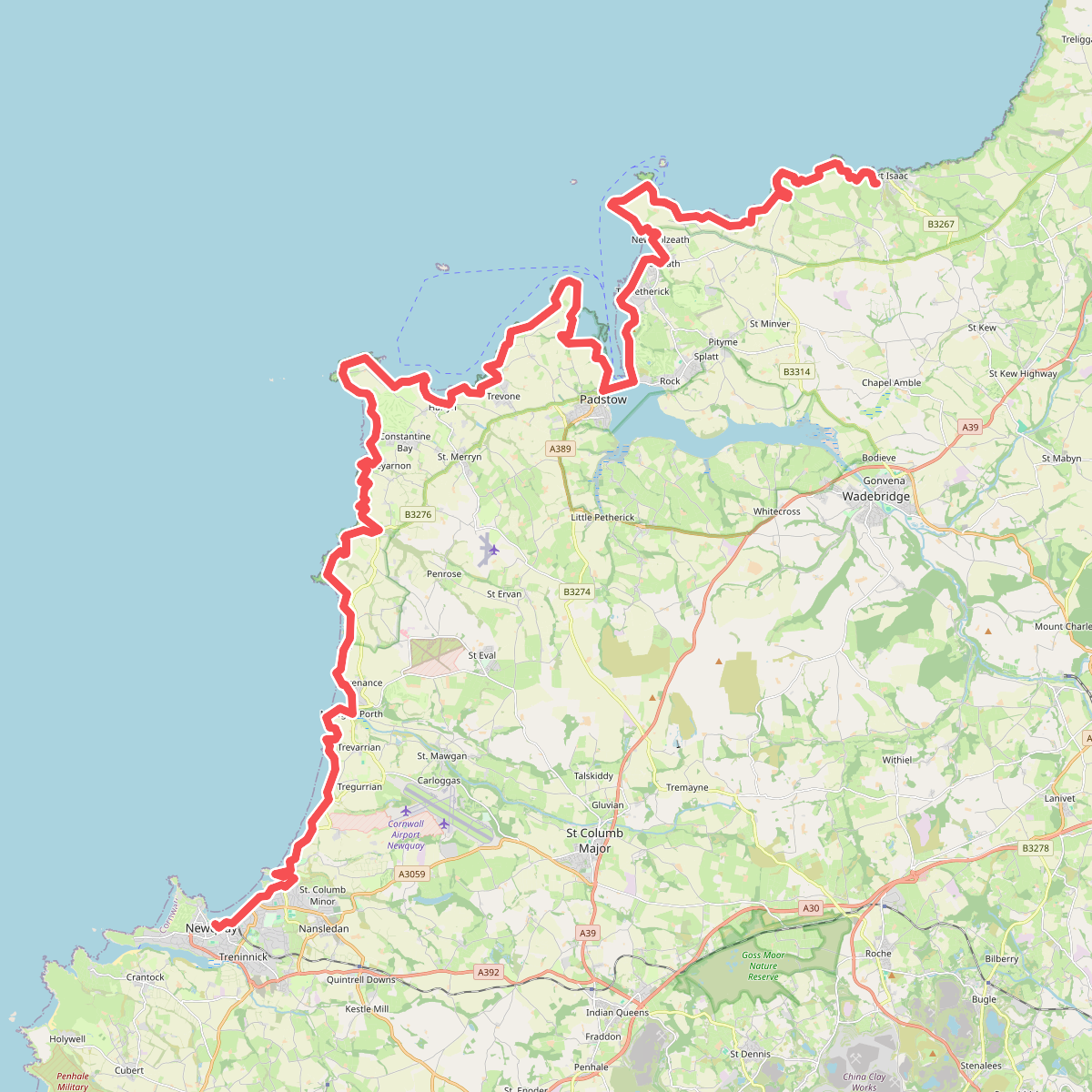
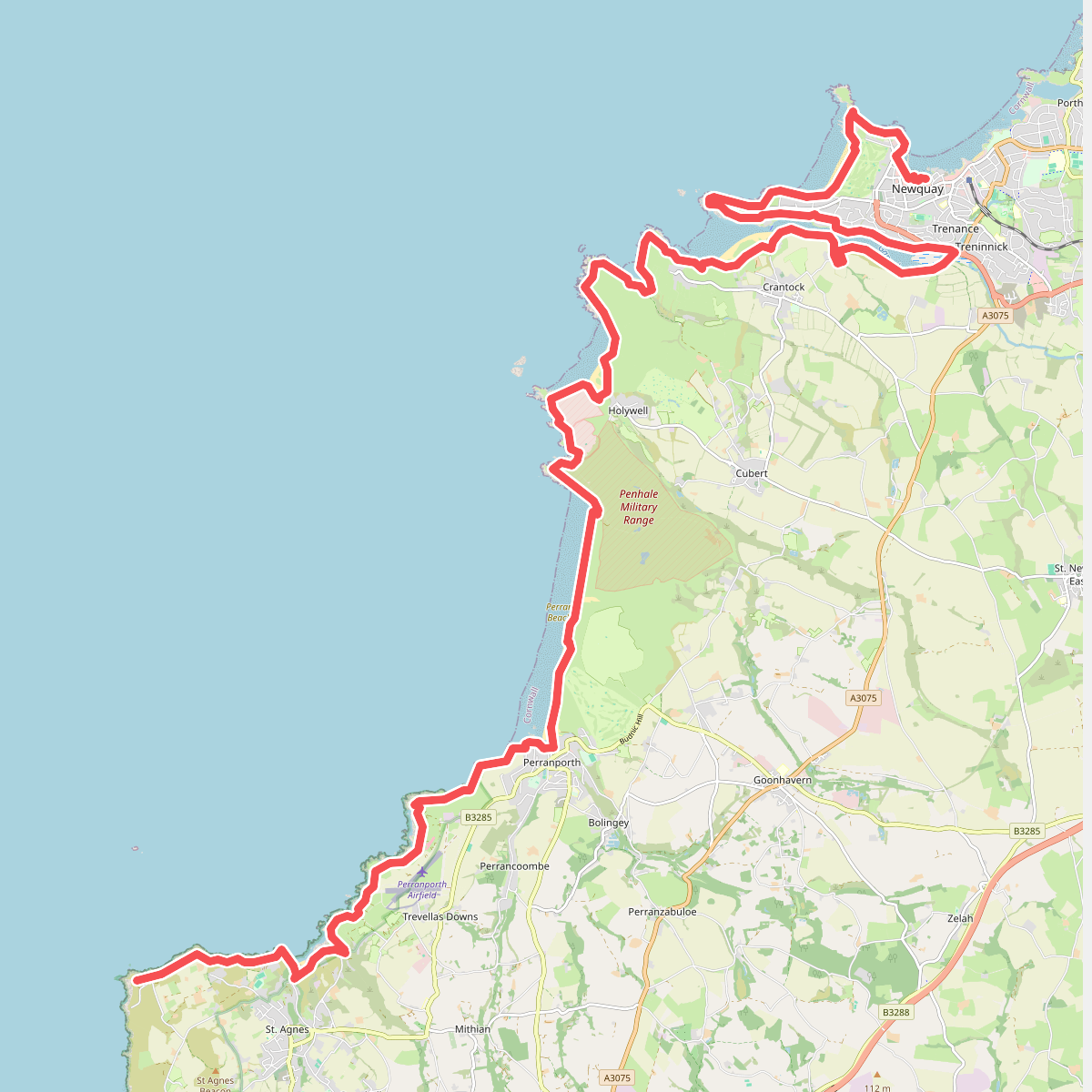
Discover the best walks in Cornwall National Landscape. 2 routes on the map, with descriptions, photos and GPX.
About Cornwall National Landscape
Cornwall National Landscape is defined by its long, rugged coastline and exposed granite uplands rather than deep forests or high mountain peaks. Walkers will find a sharp contrast between the wind-cut cliffs of the northern coast, where the path is often a narrow, rocky track worn into the slate, and the sheltered, wooded river estuaries of the south coast, where the underfoot conditions shift to damp leaf litter and muddy shoreline paths. Inland, the landscape rises to bleak, open moors like Bodmin Moor, where the terrain consists of rough grass, peat bogs, and granite boulders.
Read more
About Cornwall National Landscape
Cornwall National Landscape is defined by its long, rugged coastline and exposed granite uplands rather than deep forests or high mountain peaks. Walkers will find a sharp contrast between the wind-cut cliffs of the northern coast, where the path is often a narrow, rocky track worn into the slate, and the sheltered, wooded river estuaries of the south coast, where the underfoot conditions shift to damp leaf litter and muddy shoreline paths. Inland, the landscape rises to bleak, open moors like Bodmin Moor, where the terrain consists of rough grass, peat bogs, and granite boulders.
Read moreCornwall National Landscape is defined by its long, rugged coastline and exposed granite uplands rather than deep forests or high mountain peaks. Walkers will find a sharp contrast between the wind-cut cliffs of the northern coast, where the path is often a narrow, rocky track worn into the slate, and the sheltered, wooded river estuaries of the south coast, where the underfoot conditions shift to damp leaf litter and muddy shoreline paths. Inland, the landscape rises to bleak, open moors like Bodmin Moor, where the terrain consists of rough grass, peat bogs, and granite boulders.
On the coastal paths, you will constantly negotiate steep, stepped descents and ascents into narrow coves, a direct result of river valleys meeting the sea. The inland moors offer gentler gradients but require careful navigation across pathless heather and marshy ground, where granite tors break the skyline. The vegetation tells the story of the thin, acidic soils, with gorse and heather dominating the cliffs and high ground, while sessile oak woodlands cling to the steep-sided southern creeks.
Underfoot, expect a mix of stony coastal paths, sandy beaches, and muddy woodland tracks. Boardwalks are occasionally present over the wettest boggy sections of the inland moors, but boots with good ankle support are necessary for the uneven granite steps and loose shale common along the cliffs. While famous landmarks like Land's End or Kynance Cove attract large crowds, especially in July and August, much of the intermediate coastal path and the quieter inland downs remain peaceful.