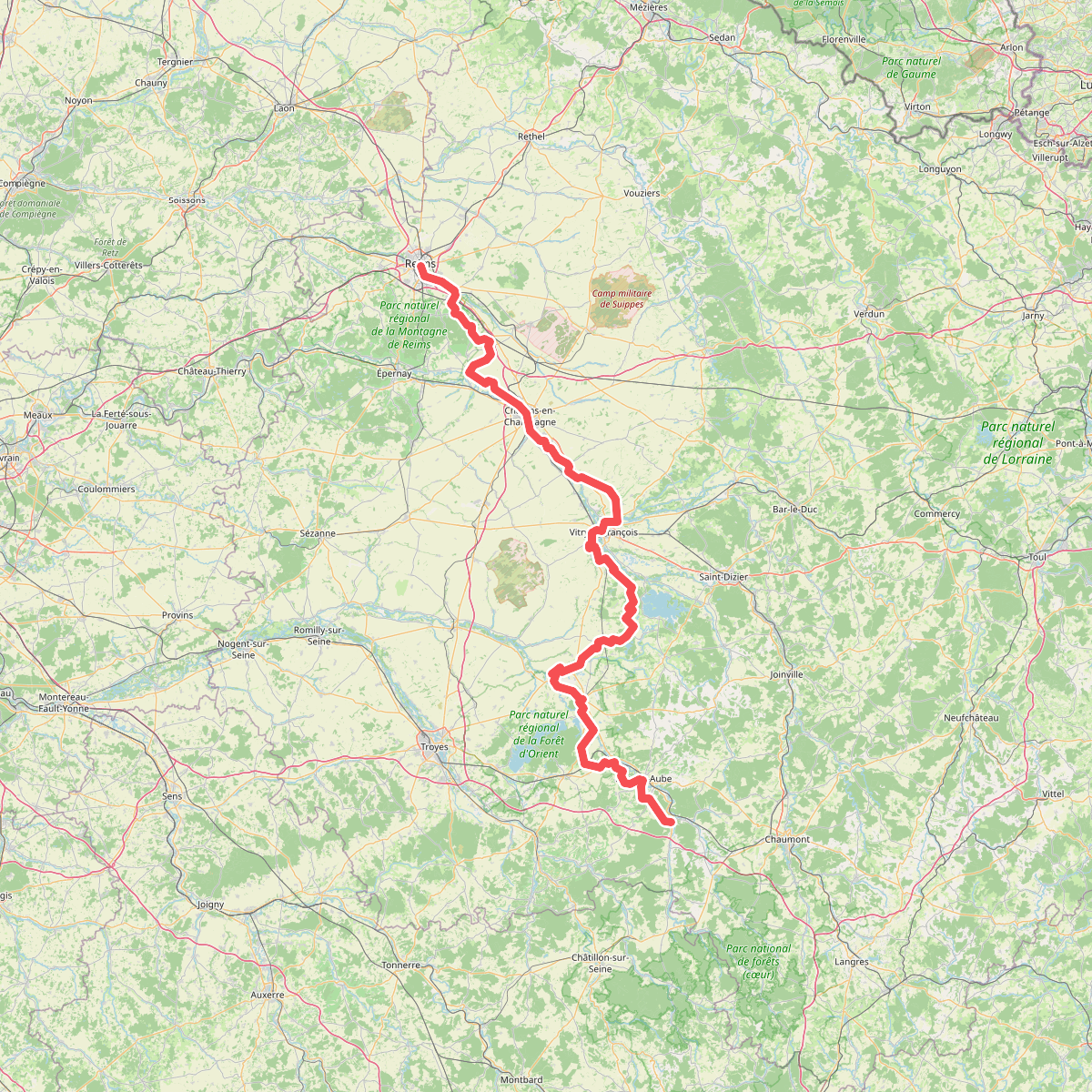
The best hiking routes in Parc naturel régional de la Montagne de Reims
Discover the best walks in Parc naturel régional de la Montagne de Reims. 11 routes on the map, with descriptions, photos and GPX.
About Parc naturel régional de la Montagne de Reims
The Parc naturel régional de la Montagne de Reims is not a rugged mountain range but a forested clay and limestone plateau rising gently above the surrounding flat Champagne plains. Walkers here will notice a distinct contrast between the dense, humid beech and oak woodlands covering the summit cap and the steep, vineyard-covered slopes that drop down toward the Marne valley. Underfoot, the paths transition quickly from thick, sticky clay and damp leaf litter under the forest canopy to chalky, flint-strewn dirt tracks as you emerge onto the open hillsides.
Read more
About Parc naturel régional de la Montagne de Reims
The Parc naturel régional de la Montagne de Reims is not a rugged mountain range but a forested clay and limestone plateau rising gently above the surrounding flat Champagne plains. Walkers here will notice a distinct contrast between the dense, humid beech and oak woodlands covering the summit cap and the steep, vineyard-covered slopes that drop down toward the Marne valley. Underfoot, the paths transition quickly from thick, sticky clay and damp leaf litter under the forest canopy to chalky, flint-strewn dirt tracks as you emerge onto the open hillsides.
Read moreThe Parc naturel régional de la Montagne de Reims is not a rugged mountain range but a forested clay and limestone plateau rising gently above the surrounding flat Champagne plains. Walkers here will notice a distinct contrast between the dense, humid beech and oak woodlands covering the summit cap and the steep, vineyard-covered slopes that drop down toward the Marne valley. Underfoot, the paths transition quickly from thick, sticky clay and damp leaf litter under the forest canopy to chalky, flint-strewn dirt tracks as you emerge onto the open hillsides.
The most unusual feature to look for in the woodland is the concentration of faux de Verzy, dwarf beech trees with twisted, contorted branches that grow near the eastern edge of the plateau. These stunted trees thrive in the specific soil conditions here, where a thin layer of clay sits directly on top of deep chalk. The forest floor is crisscrossed by narrow, unpaved footpaths that can become heavy and slick, while the vineyard tracks offer firmer, gravelly footing.
While the open slopes facing south are dominated by wine production, the interior plateau feels remarkably secluded and quiet. It is a working landscape of timber forestry and viticulture, meaning you will often encounter forest machinery tracks alongside the walking trails. Choosing a route here means deciding between the enclosed, shaded canopy of the plateau top or the wide, exposed views across the geometric rows of vines on the outer flanks.
Hiking routes in Parc naturel régional de la Montagne de Reims (11)
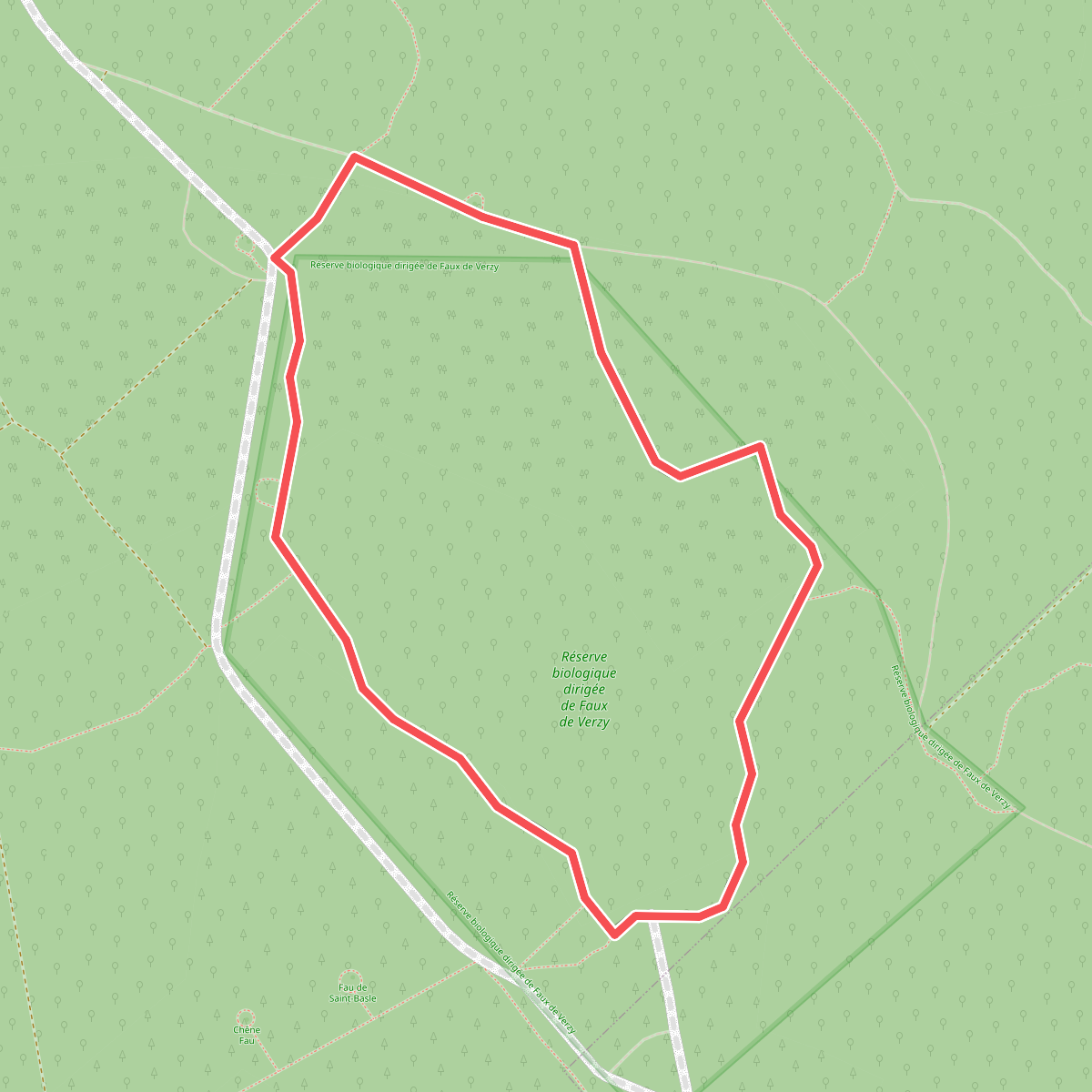
#1. Balade des Faux
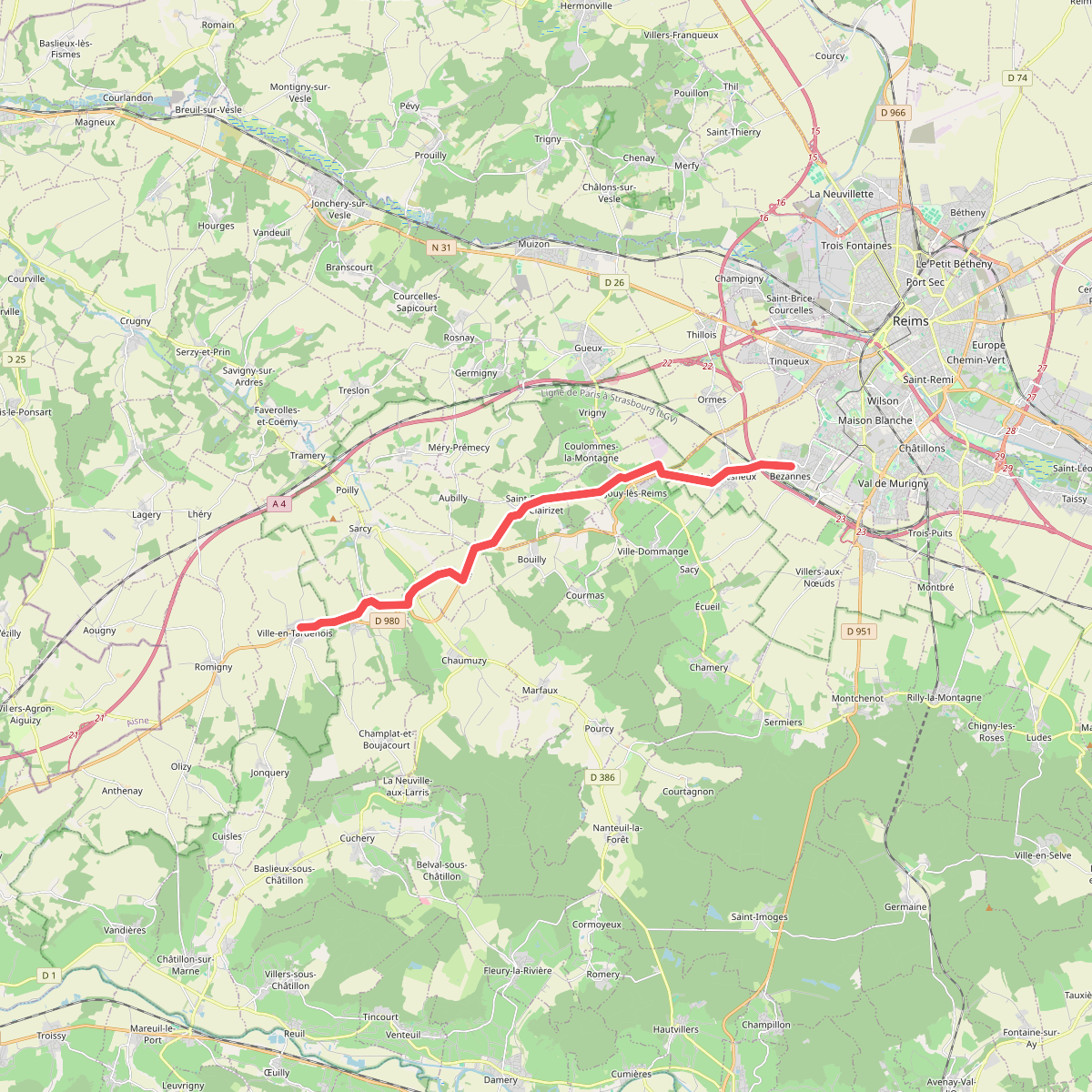
#2. Chemin de Trèves, Bezannes - Ville-en-Tardenois
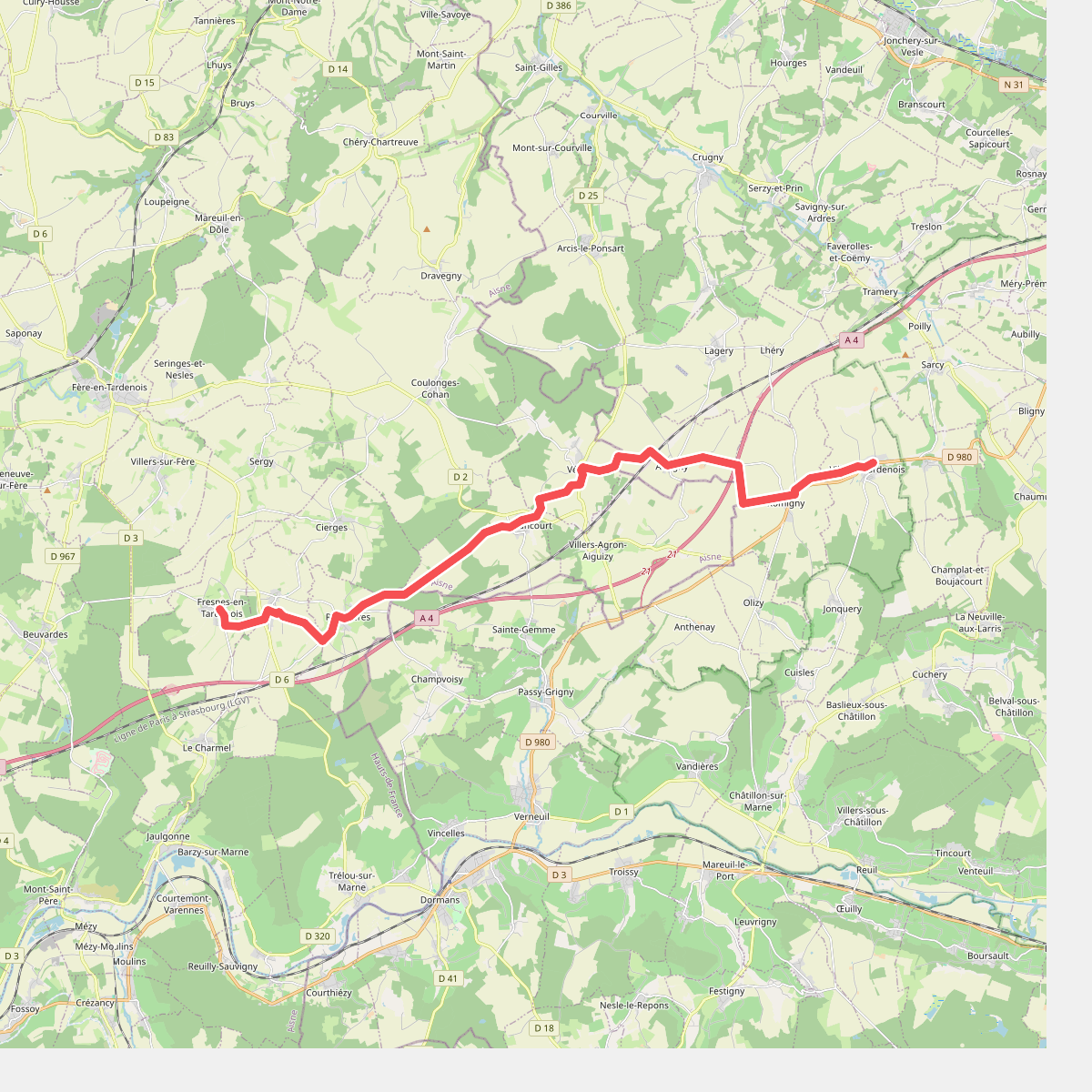
#3. Chemin de Trèves, Ville-en-Tardenois - Fresnes-en-Tardenois
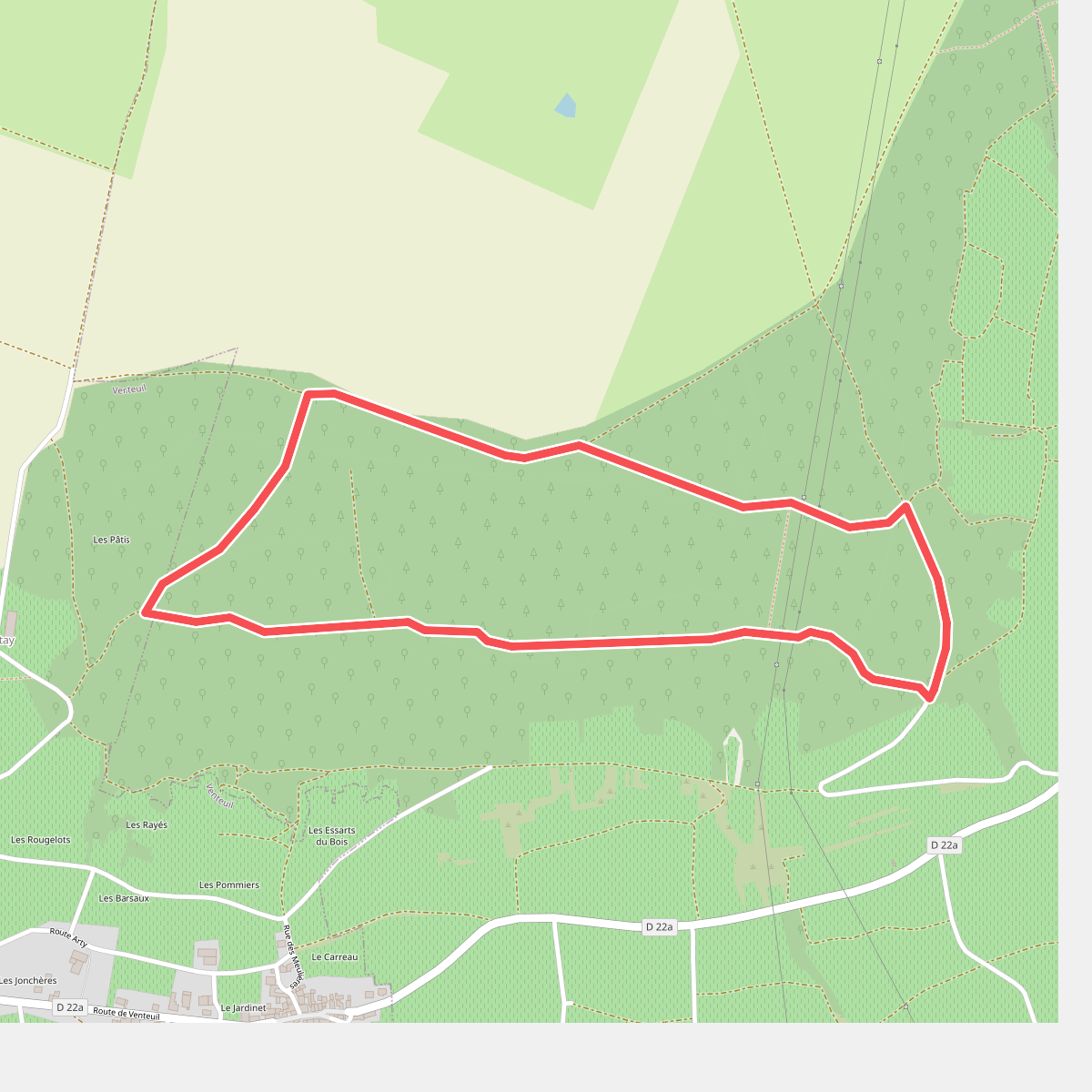
#4. Circuit des Pâtis de Damery
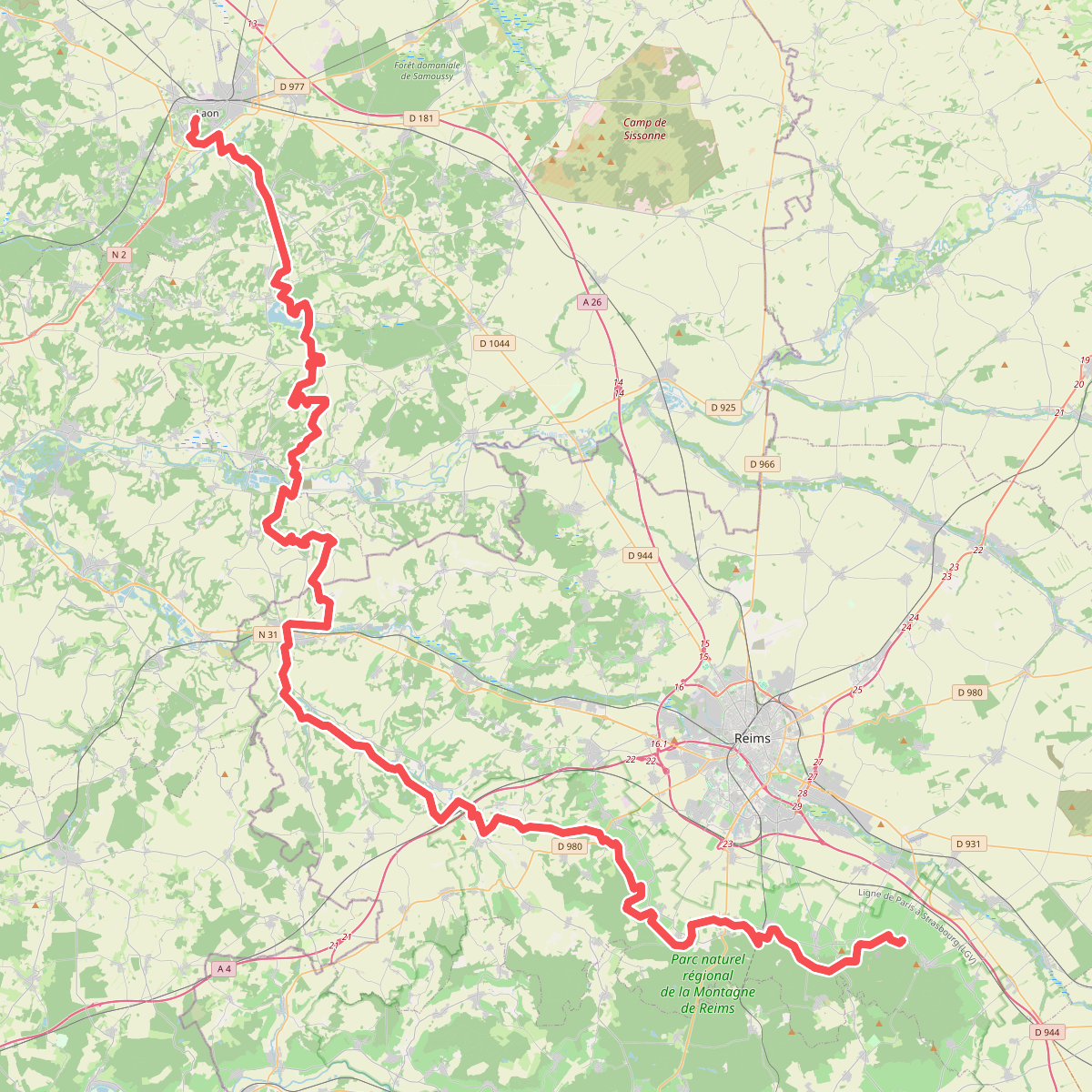
#5. De Laon à Verzenay
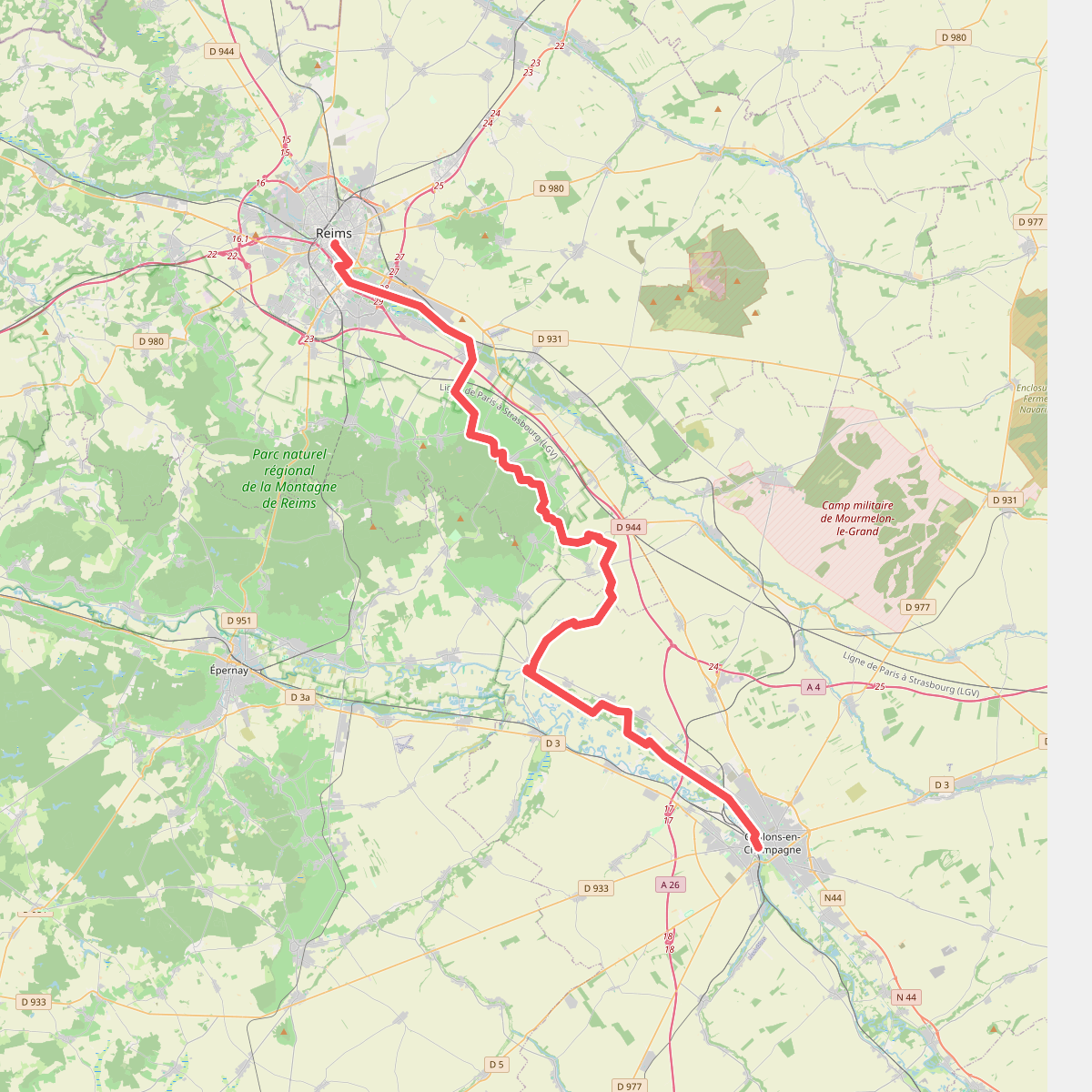
#6. De Reims à Châlons-en-Champagne
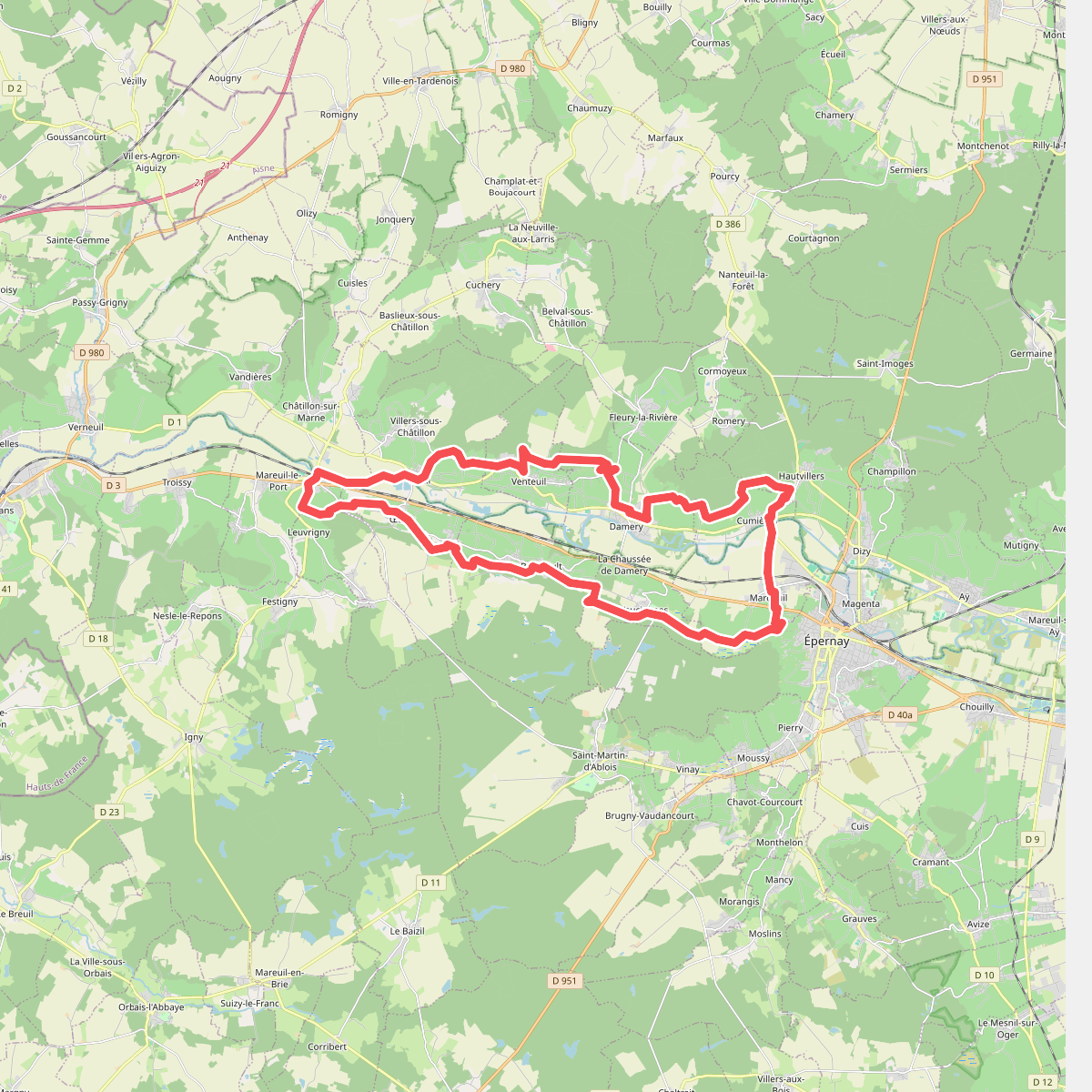
#7. Entre Marne et Champagne
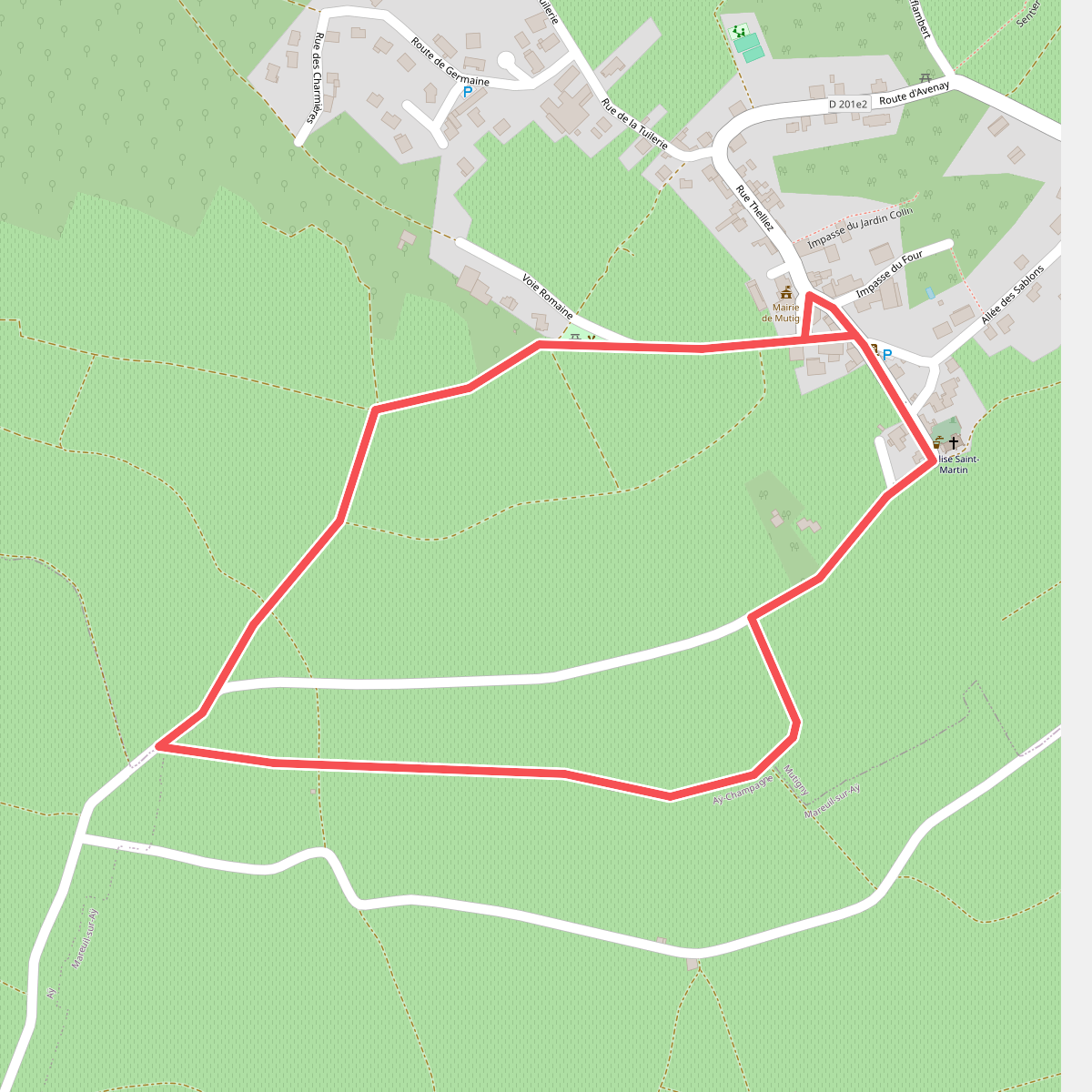
#8. Sentier des Vignerons
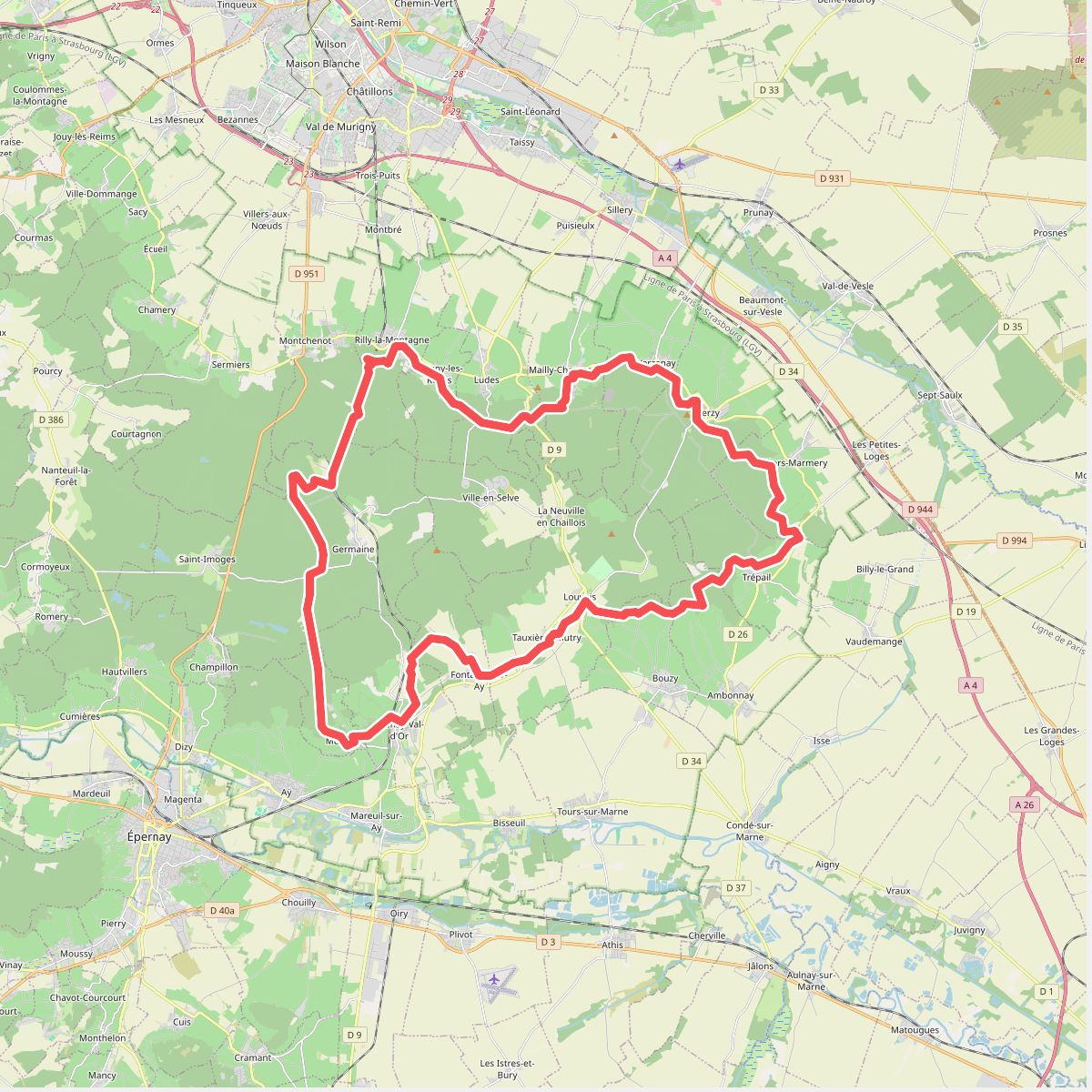
#9. Tour de la Montagne de Reims
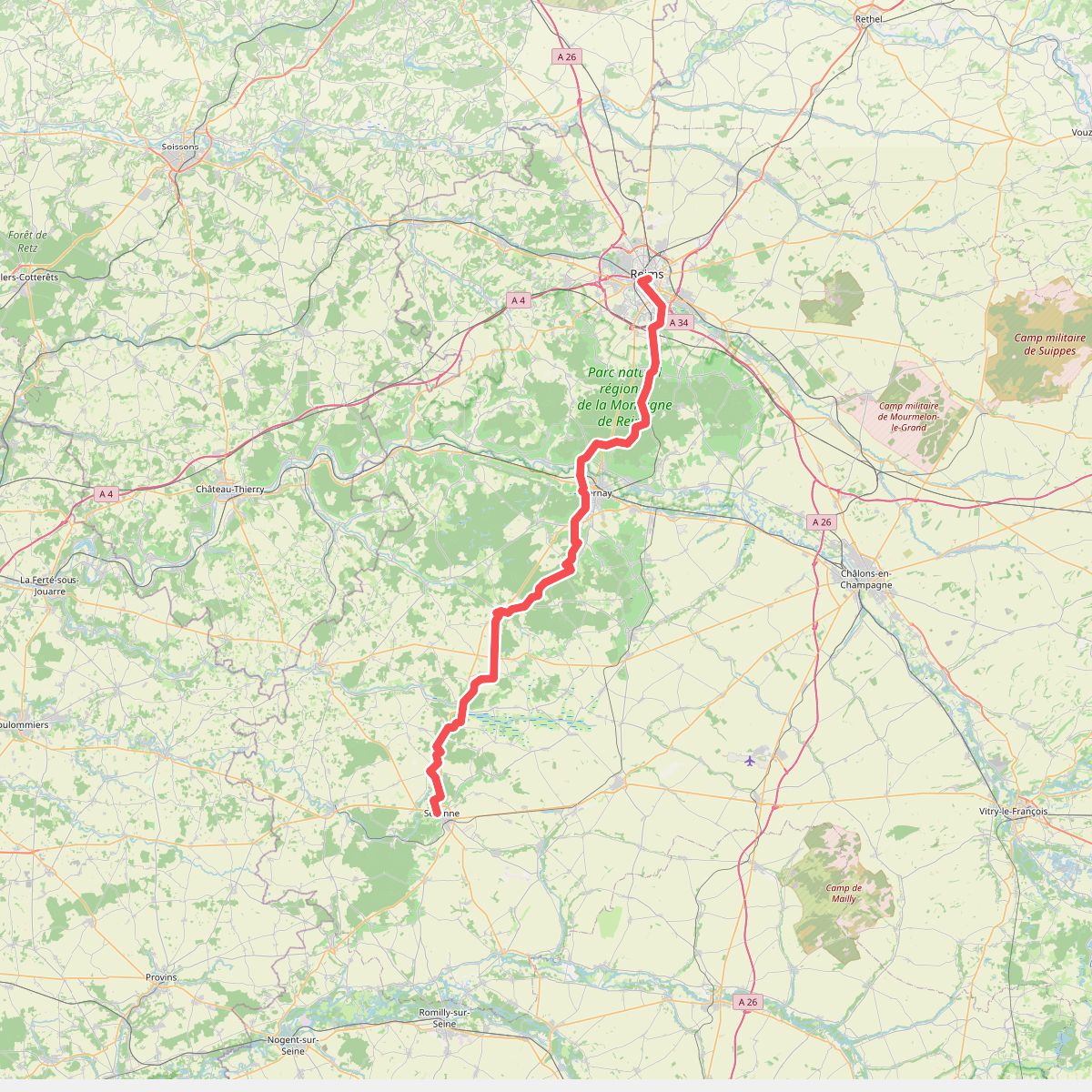
#10. Via Campaniensis · Reims – Sézanne