

The best hiking routes in Parco Nazionale dell'Aspromonte
Discover the best walks in Parco Nazionale dell'Aspromonte. 7 routes on the map, with descriptions, photos and GPX.
About Parco Nazionale dell'Aspromonte
Parco Nazionale dell'Aspromonte occupies the rugged southern tip of the Italian peninsula, rising abruptly from the Mediterranean coast to a high plateau. Unlike the limestone peaks found further north in Italy, this massif is composed of ancient crystalline rock, granite, and schist. Walkers will immediately notice how this geology shapes the landscape, with deep, steep-sided ravines known as fiumare carrying dry, gravelly riverbeds in the lower elevations, while dense forests of beech, silver fir, and black pine cover the higher ridges.
Read more
About Parco Nazionale dell'Aspromonte
Parco Nazionale dell'Aspromonte occupies the rugged southern tip of the Italian peninsula, rising abruptly from the Mediterranean coast to a high plateau. Unlike the limestone peaks found further north in Italy, this massif is composed of ancient crystalline rock, granite, and schist. Walkers will immediately notice how this geology shapes the landscape, with deep, steep-sided ravines known as fiumare carrying dry, gravelly riverbeds in the lower elevations, while dense forests of beech, silver fir, and black pine cover the higher ridges.
Read moreParco Nazionale dell'Aspromonte occupies the rugged southern tip of the Italian peninsula, rising abruptly from the Mediterranean coast to a high plateau. Unlike the limestone peaks found further north in Italy, this massif is composed of ancient crystalline rock, granite, and schist. Walkers will immediately notice how this geology shapes the landscape, with deep, steep-sided ravines known as fiumare carrying dry, gravelly riverbeds in the lower elevations, while dense forests of beech, silver fir, and black pine cover the higher ridges.
Underfoot, the terrain varies significantly depending on your altitude. Lower trails often consist of rough, loose stones and dry earth where vegetation is scrubby, dominated by fragrant Mediterranean maquis. As you climb into the interior, the paths transition into softer, needle-strewn dirt tracks under a thick canopy that provides deep shade. Navigating the park requires careful attention, as many routes are steep, uneven, and less manicured than those in more developed European mountain areas.
This is a landscape of stark contrasts rather than gentle, rolling hills. It does not offer gentle alpine meadows; instead, expect sheer cliffs, dramatic rock formations like those around Pentidattilo, and rushing waterfalls such as the Cascate di Forgiarelle. In May, the high beech forests of the Montalto ridge come alive with fresh green leaves, offering a cool contrast to the arid, sun-baked valleys below.
Hiking routes in Parco Nazionale dell'Aspromonte (7)
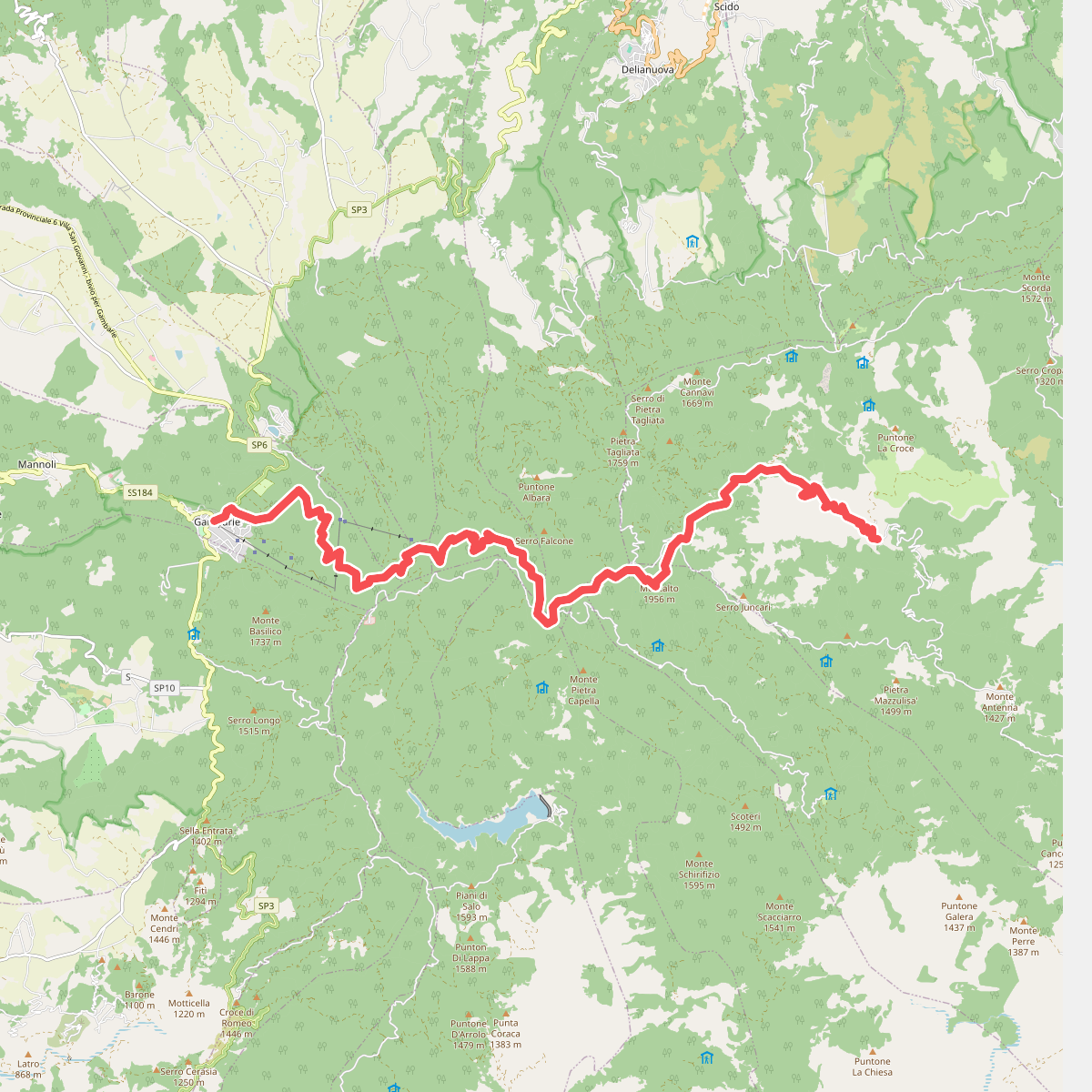
#1. Sentiero Italia · SI
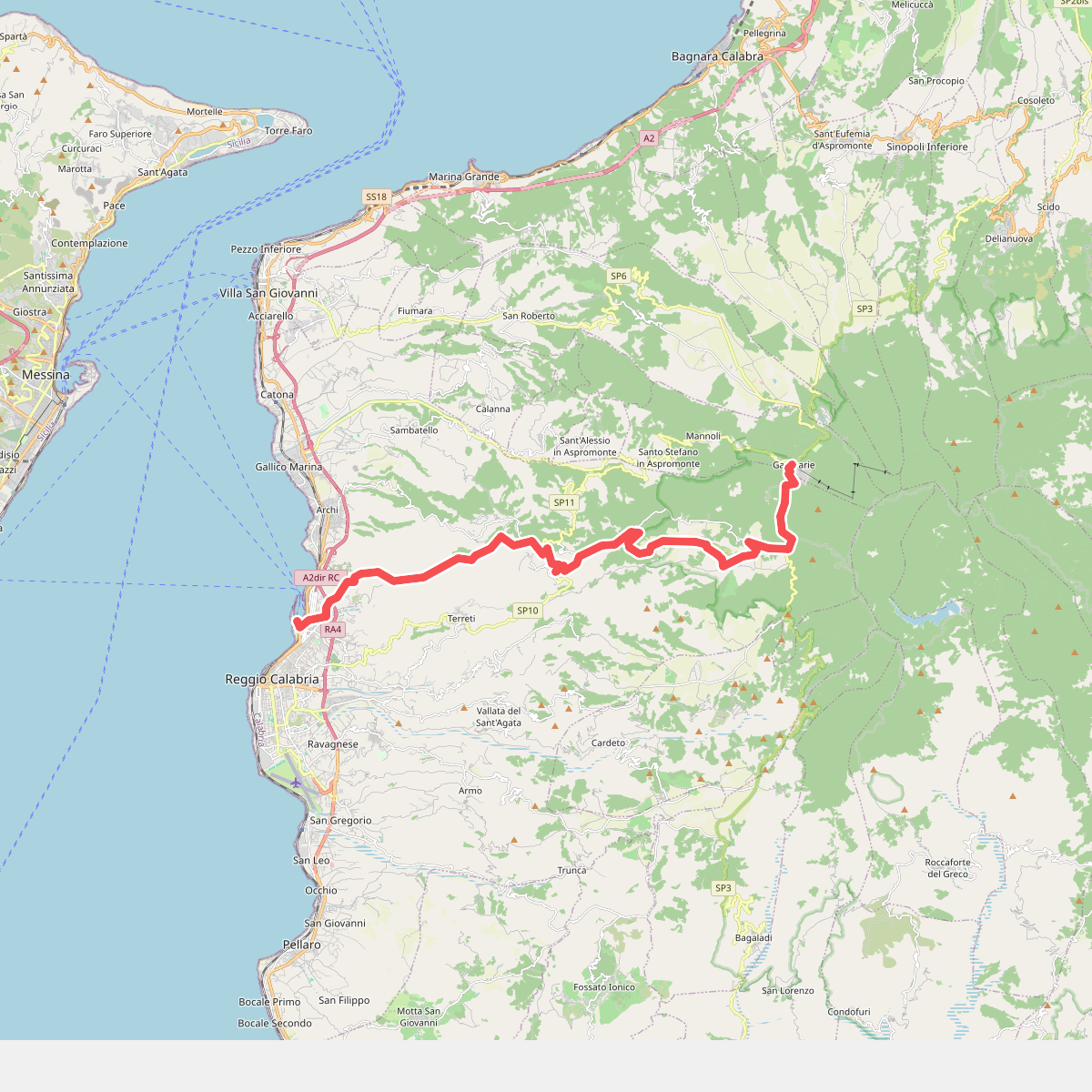
#2. Sentiero Italia · SI
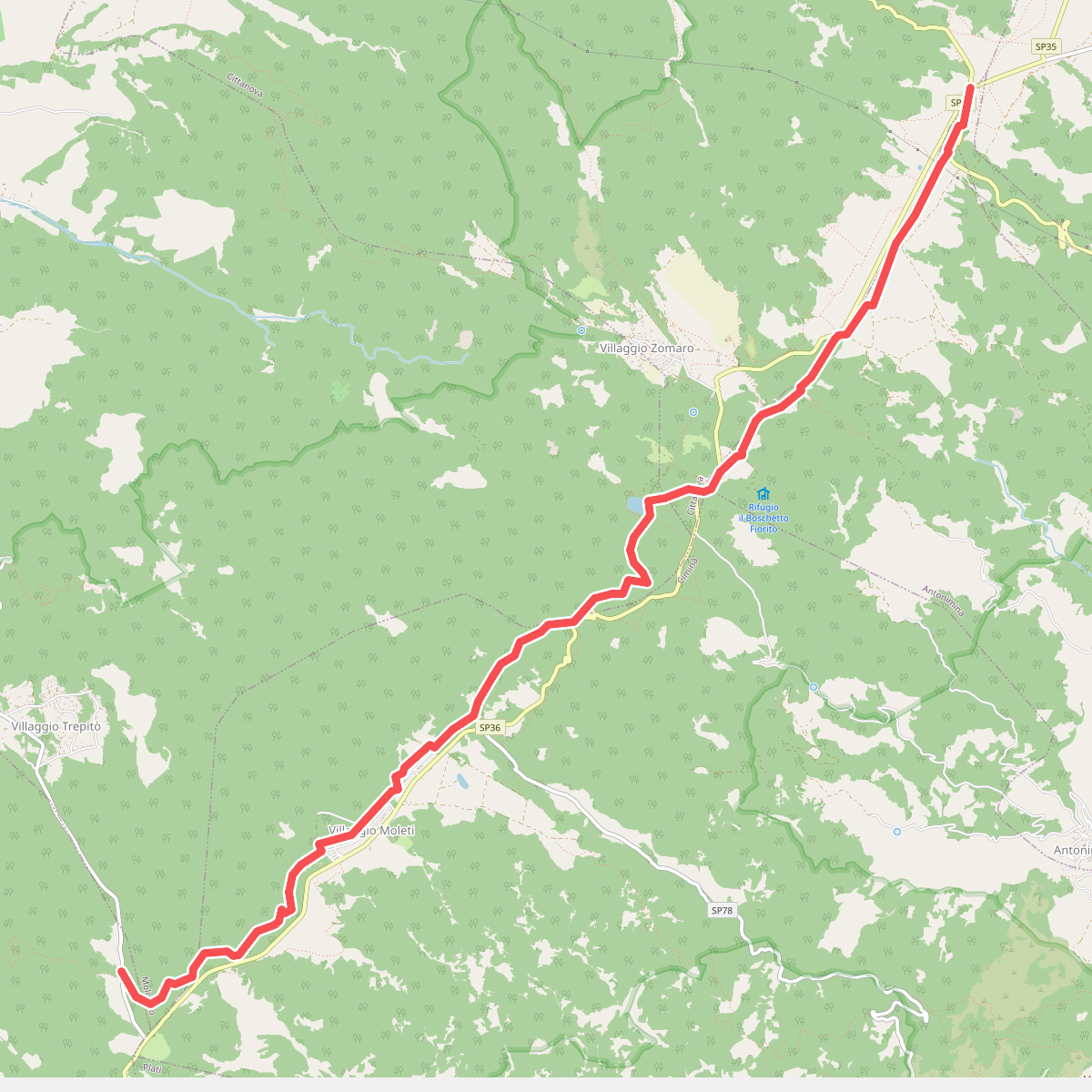
#3. Sentiero Italia · SI · SI
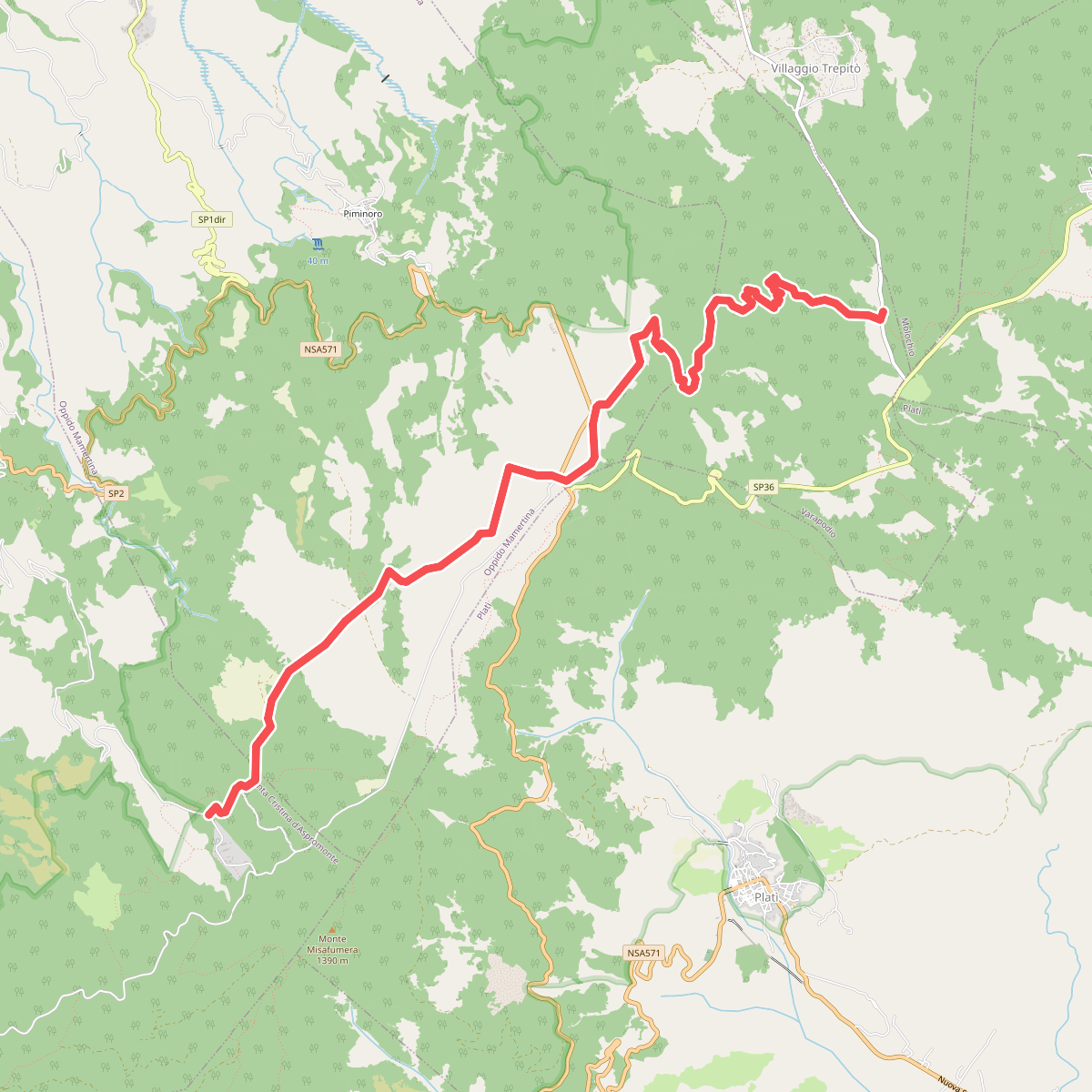
#4. Sentiero Italia · SI · SI
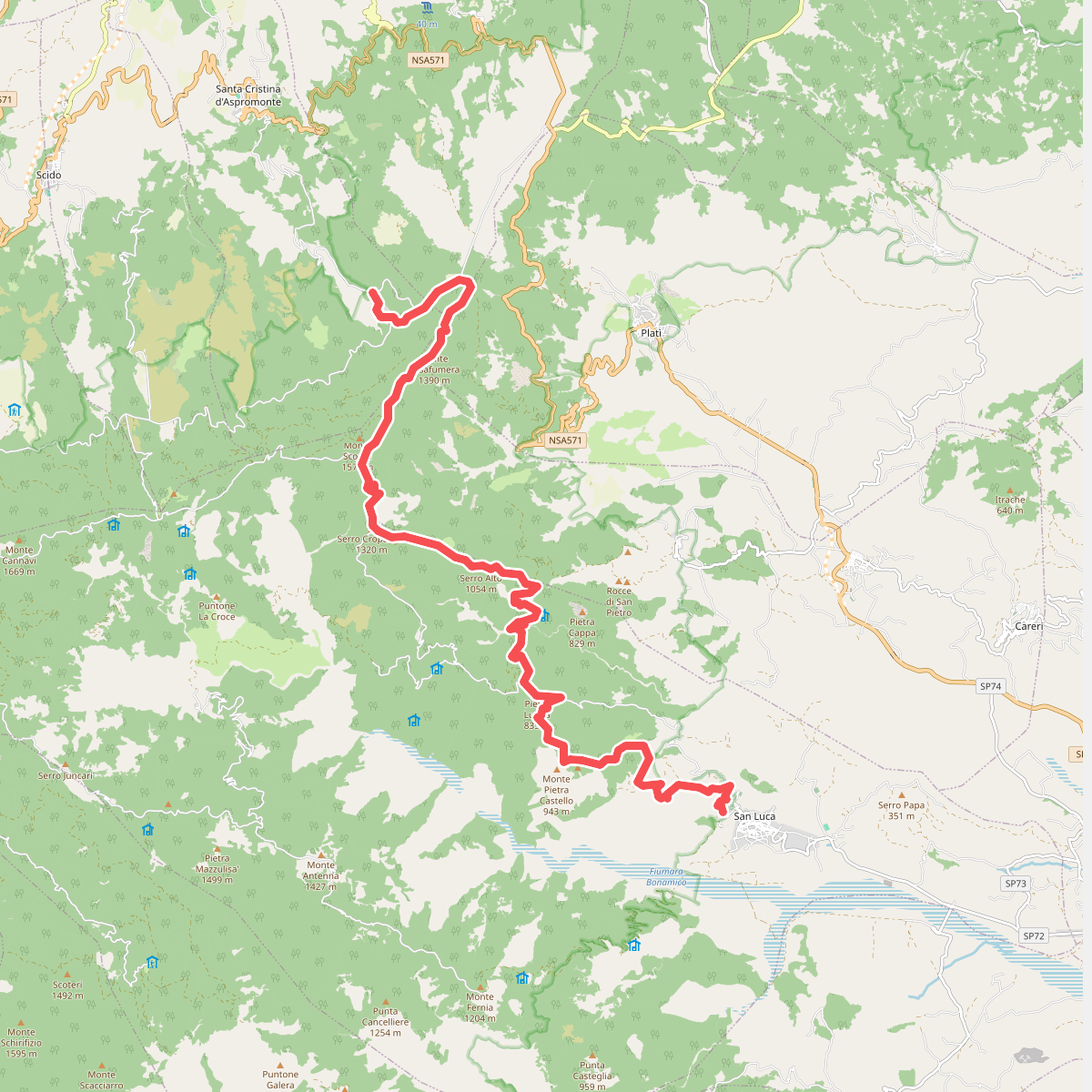
#5. Sentiero Italia · SI · SI
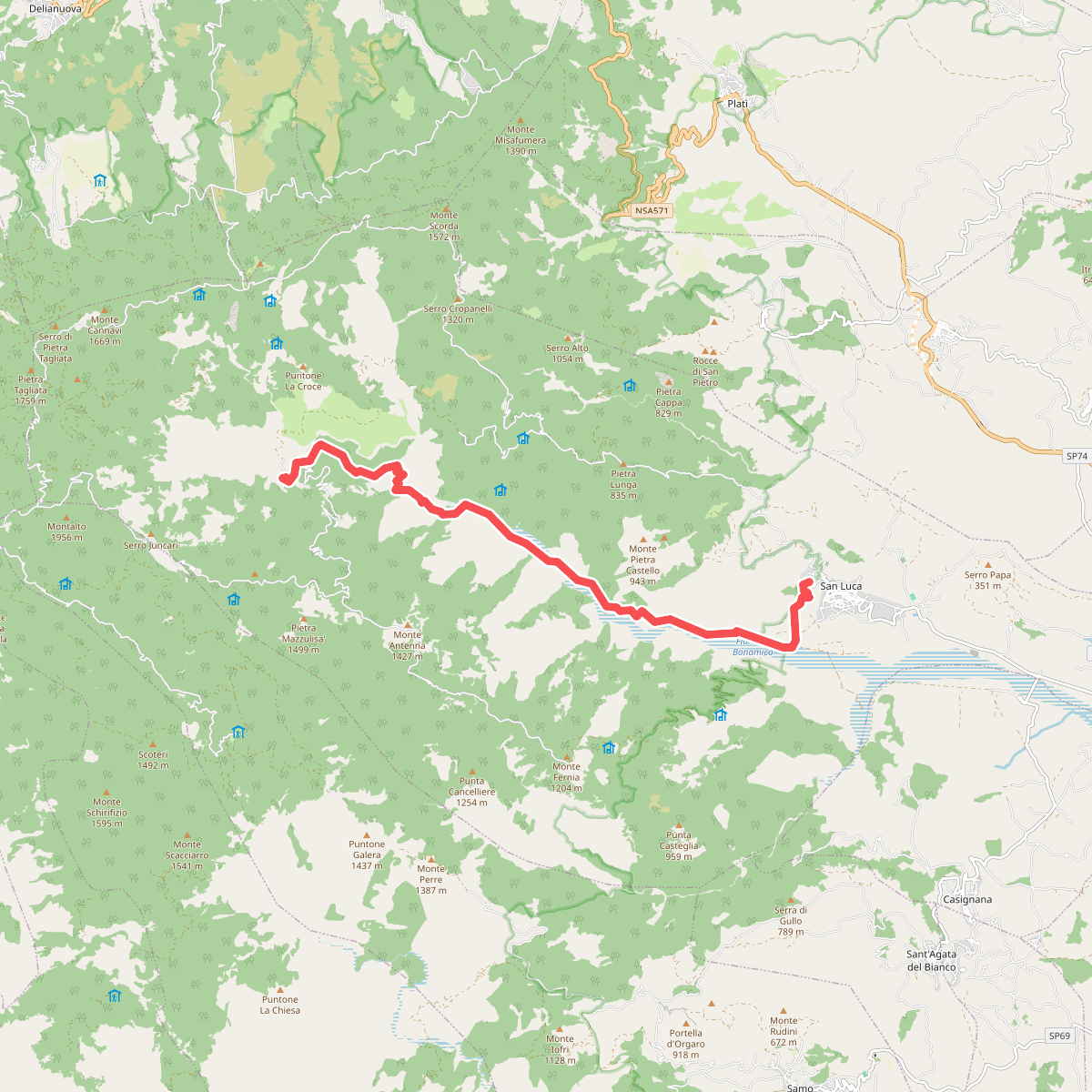
#6. Sentiero Italia · SI · SI