The best hiking routes in Villeperdrix
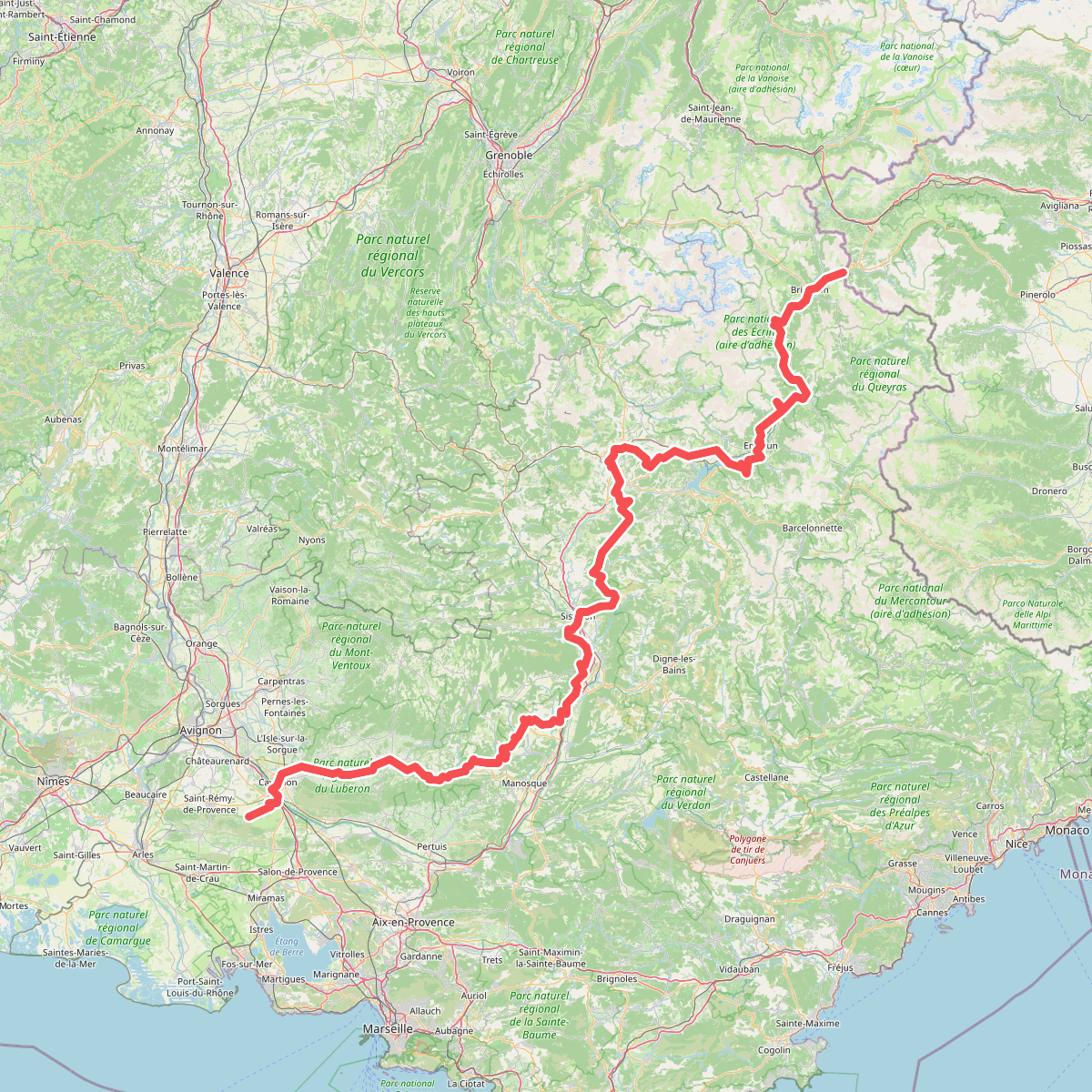
Discover the best walks in Villeperdrix. 1 routes on the map, with descriptions, photos and GPX.
Managed by Villeperdrix
About Villeperdrix
Villeperdrix lies in a steep, limestone section of the Drôme, where the landscape is shaped by deep ravines and dry, stony slopes. Unlike the flatter agricultural valleys nearby, this area is defined by sharp elevation changes, grey rock cliffs, and dense scrubwood. Walkers will immediately notice the transition from Mediterranean oak thickets to bare, sun-baked scree fields as they ascend the hillsides.
Read more
About Villeperdrix
Villeperdrix lies in a steep, limestone section of the Drôme, where the landscape is shaped by deep ravines and dry, stony slopes. Unlike the flatter agricultural valleys nearby, this area is defined by sharp elevation changes, grey rock cliffs, and dense scrubwood. Walkers will immediately notice the transition from Mediterranean oak thickets to bare, sun-baked scree fields as they ascend the hillsides.
Read moreVilleperdrix lies in a steep, limestone section of the Drôme, where the landscape is shaped by deep ravines and dry, stony slopes. Unlike the flatter agricultural valleys nearby, this area is defined by sharp elevation changes, grey rock cliffs, and dense scrubwood. Walkers will immediately notice the transition from Mediterranean oak thickets to bare, sun-baked scree fields as they ascend the hillsides.
Underfoot, the paths are predominantly rough, loose limestone gravel and narrow dirt tracks that contour along the steep slopes. There are no paved promenades or boardwalks here. The vegetation is hardy and low-lying, consisting of wild thyme, boxwood, and lavender clinging to the thin soil, which gives the landscape a rugged, arid character even during the greener spring months.
This terrain is suited for those who prefer quiet, physically demanding climbs over gentle, rolling strolls. It lacks high alpine peaks or permanent watercourses, offering instead a network of functional, historic agricultural paths that require careful footing. The lower valleys are often quieter, while the higher ridges provide direct views of the surrounding craggy bluffs.